Install strong supports
Use sturdy posts and horizontal wires or a trellis system before the first growing season so canes can be tied in fans or along wires, which keeps fruiting wood off the ground and improves air movement through the canopy.

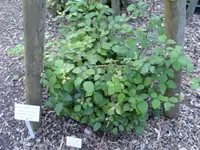
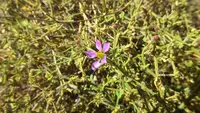
European blackberry (Rubus vestitus) is a perennial, thorny bramble shrub grown mainly for its edible berries and dense, arching canes. It forms thickets with white to pale pink flowers followed by dark, clustered fruits.
This species is native to Europe and has naturalized in many temperate regions, often along hedgerows, woodland edges, and disturbed ground. Its vigorous growth and suckering habit can make it spreading if not managed.
Rubus vestitus is generally robust and forgiving, which makes it straightforward to care for European blackberry in suitable climates. It prefers sun to light shade, moderately moist but well-drained soil, and benefits from some structural support and pruning control.

Care Difficulty
Moderate Care

Light Preference
Full Sun

Water Requirements
Moderate Water

Temperature Preference
Cold Hardy

Hardiness Zone
5–8

Soil Texture
Sandy, Loamy, Organic-rich

Soil pH
Acidic (5.5–6.5), Slightly acidic (6.5–7.0)

Soil Drainage
Moist but well-drained

Fertilization
Minimal (feed rarely)
Scan your plant to receive care tips personalized for your specific plant
Available on iOS and Android
This bramble thrives in full sun but tolerates some light shade, especially in hotter regions.
This species prefers consistently moist but not saturated soil, especially during active growth and fruiting.
This hardy bramble tolerates a wide temperature range but grows and fruits best within moderate conditions.
This bramble tolerates a wide humidity range and usually adapts to typical outdoor conditions without issue.
Rubus vestitus prefers loose, moist, well-drained soil with ample organic matter for root health and fruiting.
This species can be grown in containers if the pot is large and stable enough to support its vigorous, arching growth.
Rubus vestitus benefits from modest feeding to support steady cane and fruit development.
Pruning Rubus vestitus keeps canes productive and fruiting well.
This shrub-form blackberry is usually grown in the ground and moved only when necessary.
Rubus vestitus is commonly propagated vegetatively to maintain cultivar traits and vigor.
This blackberry is generally cold hardy in temperate climates and needs only modest winter care.

Plant Health Check
Not sure what's wrong with your plant? Check your plant's health inside the app.
Rubus vestitus is especially common on abandoned farmland and disturbed soils in parts of western and central Europe, where its dense, arching canes quickly form thickets that dominate early successional vegetation.
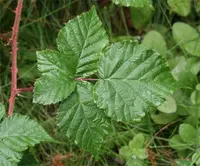
This species is recognized by its gray-green, felted hairs on the underside of the leaves and on young stems, a feature that helps botanists distinguish it from similar bramble species in the Rubus fruticosus aggregate.
In its native range, R. vestitus supports a wide range of insects, including several specialist moth and butterfly larvae that feed on its foliage and use its thorny structure as shelter from predators.
The fruits, young shoots, and leaves are edible when correctly identified and harvested from unpolluted areas. Berries are eaten fresh, cooked, or preserved. Leaves are sometimes used for herbal teas, but large quantities may cause mild stomach upset in sensitive people.
Keep your plants happy and healthy with plant identification, disease detection, and easy care guidance.