hairy blueberry Care (Vaccinium hirsutum)

Also known as: Hairy Huckleberry
hairy blueberry

About hairy blueberry

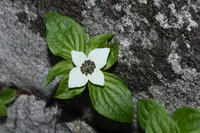
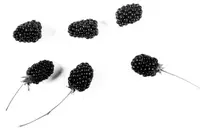
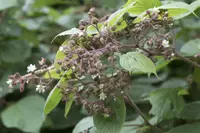
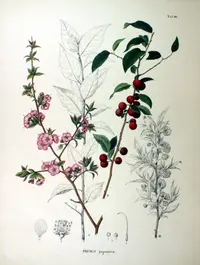
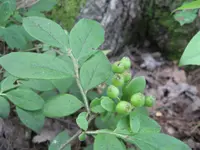
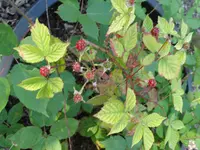
Hairy blueberry, Vaccinium hirsutum, is a small deciduous shrub in the heath family, related to cultivated blueberries. It typically forms low, bushy clumps with fine hairs on young stems and leaves. The plant produces small, bell-shaped white to pinkish flowers followed by edible blue berries.

This species is native to the southeastern United States, often found on rocky slopes and open woodlands. It can be somewhat demanding, as it prefers acidic, well-drained yet consistently moist soil and cool to mild conditions. Light shade and protection from extreme heat make it easier to care for hairy blueberry in garden settings.

Main Plant Requirements

Care Difficulty

Moderate Care

Light Preference

Partial Shade

Water Requirements

Regular Water

Temperature Preference

Cool Climate

Hardiness Zone

6–8

Soil Texture

Loamy, Sandy, Organic-rich

Soil pH

Strongly acidic (4.5–5.5), Acidic (5.5–6.5)

Soil Drainage

Moist but well-drained

Fertilization

Minimal (feed rarely)

Get Personalized Care Plan

Scan your plant to receive care tips personalized for your specific plant

Available on iOS and Android

How to Care for the hairy blueberry

This shrub prefers bright, gentle light and benefits from some protection from intense afternoon sun.

  • Provide 4–6 hours of direct morning sun with light shade or dappled light in the afternoon, especially in hotter regions.
  • Tolerates partial shade, but flowering and fruiting of hairy blueberry decrease when daily direct sun drops below about 3 hours.
  • In summer, monitor for leaf scorch on exposed foliage and add shade if edges brown; in winter, ensure an open, bright site not blocked by evergreen trees.

This species needs consistently moist, acidic, well‑drained soil without staying soggy.

  • Water when the top 3–5 cm of soil feels dry, aiming for evenly moist soil around the root zone rather than cycles of full drying and soaking.
  • During hot, dry periods, increase watering frequency and mulch 5–8 cm deep to slow evaporation; reduce frequency in cool, rainy seasons.
  • Signs of overwatering include limp, yellowing leaves and sour-smelling soil, while Vaccinium hirsutum shows underwatering with drooping, crisp leaf edges and dry, pulling soil.

This shrub prefers mild conditions and tolerates moderate cold once established.

  • Optimal growing temperatures are 60–75°F (16–24°C), with best vegetative growth and flowering in the cooler part of this range.
  • Mature plants tolerate short dips to about 0°F (−18°C) with mulch over roots, but young shrubs benefit from protection below 20°F (−7°C).
  • Heat tolerance is moderate; above 86°F (30°C) provide extra mulch and soil moisture, and avoid reflected heat from paving to limit stress and leaf scorch.

This species prefers moderately moist air but adapts to typical outdoor humidity where it is hardy.

  • Aim for 40–60% humidity, avoiding prolonged hot, very dry wind exposure around hairy blueberry foliage.
  • Leaf edge browning and slow, tender shoot growth can indicate humidity stress combined with drought in containers.
  • Increase local humidity outdoors by mulching the root zone and grouping shrubs to reduce air movement at plant level.

This species needs acidic, well-drained yet consistently moist soil to thrive.

  • Use a loose, organic-rich mix such as 50–70% pine bark fines with peat or coco coir plus 10–20% perlite for drainage.
  • Target a pH of 4.5–5.5 for Vaccinium hirsutum, avoiding lime or other alkaline amendments that raise pH.
  • Ensure the mix drains freely but does not dry out quickly by combining coarse bark with fine organic matter for water retention.
  • Avoid heavy clay, compaction, or standing water, which limit aeration and increase risk of root rot and nutrient imbalance.

This species can be grown in containers when moisture and stability are carefully managed.

  • Choose a deep, heavy pot to support the shrub’s woody framework and prevent tipping in wind or when laden with fruit.
  • Select a container width that allows some lateral root spread while keeping the root zone dense enough to stay evenly moist.
  • Elevate the pot slightly on feet or bricks so base drainage holes stay clear and excess irrigation water evacuates quickly.

This native shrub needs only light feeding in poor soils, so focus on maintaining acidic, organic-rich conditions when caring for hairy blueberry.

  • Use a slow-release, acid-forming fertilizer or balanced NPK (around 10-10-10) formulated for blueberries.
  • Feed lightly once in early spring and again in late spring during active growth.
  • Apply at 1/2 label strength for container plants to avoid salt buildup and root burn.
  • Avoid fertilizing in late summer or winter to prevent soft growth that may be damaged by cold.

Vaccinium hirsutum benefits from modest, targeted pruning to maintain health and fruiting wood.

  • Carry out main pruning in late winter to very early spring while the shrub is still dormant.
  • Remove dead, damaged, crossing, or very low interior shoots with clean bypass pruners.
  • Thin older, weak stems at the base to encourage vigorous new canes and better light penetration.
  • Lightly shorten excessively long branches to keep a balanced, open shape without heavy cutting.

This species is usually grown in the ground, so focus on careful transplanting rather than frequent repotting.

  • Transplant in early spring or early fall when temperatures are mild and soil is workable.
  • Look for signs such as slow growth, roots circling a nursery pot, or rapid drying as cues to move it.
  • Prepare a larger, wide planting hole filled with acidic, well-drained, high-organic soil to reduce stress.
  • Water deeply before and after planting, then mulch 5–8 cm around the root zone to maintain moisture and limit shock.

Vaccinium hirsutum can be propagated, but it responds best to vegetative methods under suitable conditions.

  • Use semi-hardwood cuttings in late summer; take 8–12 cm pieces with several nodes and remove lower leaves.
  • Place cuttings in a well-drained, acidic medium under high humidity and bright, indirect light for rooting.
  • Apply a mild rooting hormone to the cut end to increase success and root density.
  • Sow seeds in fall or early spring in acidic media, keeping them evenly moist and exposed to light for better germination.

This shrub is cold hardy in much of its native range and usually needs only simple winter care.

  • Tolerates typical winter frosts in suitable USDA zones when planted in the ground.
  • Apply 5–8 cm of organic mulch over the root zone in late fall to buffer freezing and thawing.
  • Avoid late-season nitrogen feeding so new growth hardens before freezing conditions arrive.
  • For container plants in colder areas, move pots into a sheltered, unheated but frost-sheltered spot.

Care Tips

Mulch With Pine

Apply a 5–8 cm layer of pine needles or shredded pine bark around the root zone to keep the shallow roots cool, conserve moisture, and help maintain the acidic conditions this shrub prefers.

Annual Cane Renewal

Each late winter, remove 1–3 of the oldest, thickest stems at ground level to encourage new productive canes and keep the plant open for better light penetration and air movement.

Bird Protection Netting

Drape fine, flexible bird netting over a simple frame around the shrub just before berries start to turn color to reduce fruit loss while still allowing light and airflow.

Prevent Root Disturbance

Avoid deep cultivation or frequent digging within 30–45 cm of the base because the fine feeder roots are shallow and easily damaged, which can noticeably reduce growth and yield.

Targeted Soil Testing

Test soil pH every 2–3 years and adjust only as needed with appropriate acidifying materials, a key step in caring for hairy blueberry over the long term without over-correcting the soil.

Common Pests and Diseases

Mummy berry

This disease causes young shoots to wilt and berries to shrivel into hard, pale gray mummies. Symptoms include tan leaf lesions, blighted shoots, and fruit that fails to ripen and instead dries and hardens.

Solution

Remove and discard all mummified berries from the plant and soil surface, and prune out blighted shoots during dry weather. Use a thick mulch layer to bury remaining mummies, improve sunlight and airflow through selective pruning, and apply a labeled preventive fungicide in early spring if the problem has been severe in previous years.

Botrytis blossom blight

This disease attacks flowers and young shoots during cool, wet weather, leading to browning, blighting, and a fuzzy gray mold on blossoms and tender tissue. Symptoms include poor fruit set and dieback of young growth from infected blooms.

Solution

Promptly remove and discard blighted blossoms and shoots, avoiding overhead watering during flowering to keep foliage and flowers dry. Improve spacing and pruning to increase airflow, and where Botrytis has been persistent, use a registered fungicide during bloom periods of extended rain or high humidity as part of broader Vaccinium hirsutum care instructions.

Leaf spot complex

This disease group produces small circular to irregular spots on leaves that may be tan, reddish, or purplish with darker margins, sometimes leading to early leaf drop. Symptoms include thinning foliage and reduced vigor over time in repeatedly affected plants.

Solution

Rake and remove fallen leaves in autumn to reduce the source of infection, and avoid wetting foliage when irrigating. Thin crowded stems to increase airflow, and if leaf spots return each year, consider a labeled foliar fungicide applied in early spring and repeated as directed during wet periods.

Blueberry maggot

This pest is a small fly whose larvae tunnel inside developing berries, causing soft, discolored fruit that may drop early or collapse when picked. Symptoms include apparently healthy berries that contain small white maggots when opened.

Solution

Collect and discard all infested or dropped berries to interrupt the life cycle, and use fine mesh netting over plants before fly emergence to exclude egg-laying adults. In areas with a known history of blueberry maggot, monitor with yellow sticky traps and, if necessary, use a targeted insecticide timed to adult flight according to local extension service guidance.

Cranberry fruitworm

This pest is a greenish caterpillar that bores into clusters of berries, webbing them together and feeding inside, which leads to premature reddening and drop of damaged fruit. Symptoms include frass (insect droppings) and webbing on clusters, with multiple berries ruined by a single larva.

Solution

Remove and destroy infested berry clusters as soon as damage is noticed, and keep the base of the shrub free of leaf litter and fallen fruit that can shelter pupae. In regions where cranberry fruitworm is common when you grow Vaccinium hirsutum, consider using pheromone traps for monitoring and apply a registered biological or reduced-risk insecticide at petal fall and again as recommended based on local pest pressure.

Interesting Facts

Hairy stems and leaves

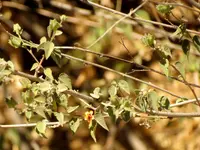
This species has dense, bristly hairs on young stems and leaf undersides, which help reduce water loss and may deter some herbivores in its exposed, rocky habitats.

Southern Appalachian specialist

It occurs naturally only in a restricted part of the southern Appalachian Mountains in Tennessee, North Carolina, and nearby areas, where it grows on dry, rocky ridges and open pine–oak woods.

Small, urn-shaped flowers

The plant produces white to pinkish, urn-shaped flowers in late spring, typical of the heath family, which are mainly pollinated by native bees that can access the narrow floral opening.

Botan icon

Did you know?

Vaccinium hirsutum is considered regionally uncommon and has a relatively narrow geographic range, so conservation assessments treat it as a habitat-sensitive species that can be impacted by forest management and land development in the southern Appalachians.

FAQs about hairy blueberry

The fruit is edible and produces small, sweet to mildly tart berries similar to other wild blueberries. It is mainly valued for wildlife and specialty use rather than large harvests, but the berries are safe to eat.

Grow Healthy Plants with Botan Care

Keep your plants happy and healthy with plant identification, disease detection, and easy care guidance.

Botan plant care app — identify plants on mobile

Explore More Plants