Rubus wahlbergii Care

Rubus wahlbergii

About Rubus wahlbergii

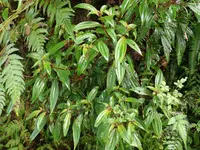
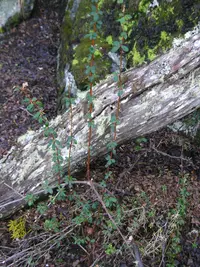
Rubus wahlbergii is a deciduous, bramble-type shrub in the rose family, related to raspberries and blackberries. It typically forms arching, prickly canes with divided leaves. Small white to pale flowers are followed by aggregate fruits, although identification can be challenging because Rubus species often hybridize and vary locally. This species is native to parts of Europe and usually occurs in hedgerows, woodland edges, and other semi-wild habitats. It suits gardeners who already have some experience with brambles, since its vigorous growth and thorns require space and regular management. Those who want to care for Rubus wahlbergii should provide open light, reasonably moist but well-drained soil, and allow room for its spreading habit.

Main Plant Requirements

Care Difficulty

Moderate Care

Light Preference

Partial Sun

Water Requirements

Moderate Water

Temperature Preference

Cold Hardy

Hardiness Zone

5–8

Soil Texture

Loamy, Sandy, Organic-rich

Soil pH

Acidic (5.5–6.5), Slightly acidic (6.5–7.0)

Soil Drainage

Moist but well-drained

Fertilization

Minimal (feed rarely)

Get Personalized Care Plan

Scan your plant to receive care tips personalized for your specific plant

Available on iOS and Android

How to Care for the Rubus wahlbergii

This shrub prefers consistent outdoor light similar to other brambles in open woodland edges or hedgerows.

  • Provide 6–8 hours of sun daily, ideally with morning sun and light afternoon shade to reduce leaf scorch in hot summers.
  • Tolerates partial shade (around 3–4 hours of direct sun), but flowering and fruiting of Rubus wahlbergii decrease as shade increases.
  • In cooler climates, full sun is suitable, while in hotter regions a location with filtered light during midday lowers stress and sunburn risk.

This bramble prefers evenly moist, well‑drained soil rather than constant saturation.

  • Water when the top 3–5 cm of soil feels dry, aiming for deep soaking that reaches the root zone instead of frequent shallow watering.
  • During hot, dry periods, increase watering frequency, while in cool or rainy seasons rely more on natural rainfall if soil stays lightly moist.
  • Symptoms of overwatering include yellowing, soft stems, and sour smell in heavy soil, while underwatering shows through wilting, dry leaf edges, and poor cane growth in Rubus wahlbergii.

This species is hardy in temperate climates and tolerates typical outdoor seasonal changes.

  • Active growth occurs best around 60–75°F (16–24°C), with strong cane and leaf development in mild spring and early summer conditions.
  • Established plants usually survive winters down to about 0–5°F (-18 to -15°C), though young canes and flower buds may be damaged by sudden hard frosts.
  • Heat tolerance is moderate; in spells above 86°F (30°C), mulch the root zone and provide light afternoon shade to reduce stress and cane dieback.

This species tolerates a wide humidity range, so indoor air levels are usually acceptable.

  • Target 40–60% humidity, similar to most heated homes, without needing special equipment.
  • Dry air rarely harms the plant, but prolonged heat plus low humidity can crisp leaf edges and tender tips.
  • Increase humidity only in very dry rooms by grouping plants or placing a water tray nearby, avoiding direct misting of foliage.

This bramble prefers deep, fertile, well-drained soil with consistent moisture retention.

  • Use a loamy mix with 40–60% organic matter such as compost plus mineral material like garden soil and coarse sand.
  • Aim for slightly acidic to neutral pH around 6.0–7.0 for best nutrient availability and cane growth.
  • Improve drainage and aeration by incorporating coarse sand or fine bark chips, especially in heavier native soils.
  • Avoid compacted, waterlogged, or very shallow soils, which restrict root spread and increase root rot risk for Rubus wahlbergii.

This species can grow in containers if the pot supports its vigorous, spreading root and cane system.

  • Choose a tall, heavy container so the root mass is deep and the plant remains stable as canes lengthen.
  • Select a pot material with moderate moisture retention, such as thick plastic or glazed clay, to keep roots evenly moist without daily watering.
  • Elevate the container on pot feet or bricks so drainage holes remain clear and excess water escapes quickly after rain or irrigation.

This species usually grows well in average garden soil and needs only light feeding for steady growth.

  • For established plants, apply a thin layer of compost or well-rotted manure around the root zone in early spring.
  • If growth is weak, use a balanced NPK granular or slow-release fertilizer at half label rate once in spring.
  • Avoid high-nitrogen products that push lush, weak shoots prone to disease and winter damage.
  • Do not feed Rubus wahlbergii after midsummer in colder climates, to prevent soft late growth before frost.

Thoughtful pruning keeps Rubus wahlbergii productive, accessible, and within bounds.

  • Carry out main pruning in late winter to very early spring while plants are dormant.
  • Remove dead, damaged, or rubbing canes at the base, plus any very weak, shaded growth.
  • Thin crowded canes, keeping the strongest new ones to improve air flow and fruiting potential.
  • Use clean, sharp bypass pruners and cut just above buds when shortening canes to shape the plant.

This bramble is usually grown in the ground, so focus on careful transplanting rather than frequent repotting.

  • Transplant during late fall or early spring while plants are dormant to reduce stress.
  • Move plants when growth slows, canes become congested, or when better soil and light are available.
  • Lift with as much root ball as possible, keeping roots shaded and moist until replanting.
  • Replant at the same depth, water thoroughly, and mulch 5–8 cm to conserve moisture and protect roots.

Rubus wahlbergii is commonly propagated vegetatively to maintain desirable traits.

  • Use simple layering in spring or early summer by pegging a low, flexible cane into moist soil until rooted.
  • Take semi-ripe stem cuttings in early summer, place in a free-draining mix, and keep humid but not wet.
  • Divide young clumps in early spring or fall, ensuring each division has healthy buds and roots.
  • Seeds can be sown after cold stratification, but offspring may vary from the parent plant.

This hardy bramble usually tolerates typical temperate winters with minimal intervention.

  • In cold regions, apply 5–8 cm of organic mulch over the root zone after soil cools in late fall.
  • Avoid heavy pruning in late summer or fall so canes harden off before freezing conditions.
  • In very exposed sites, loosely tie canes together or to supports to limit wind damage and breakage.
  • Container-grown plants benefit from shelter against a wall or unheated garage once hard frost is expected.

Care Tips

Install sturdy support

Use strong posts and tensioned wires or a rigid trellis to keep canes upright, spaced, and off the ground, which improves airflow and reduces fruit rot and cane diseases when growing Rubus wahlbergii.

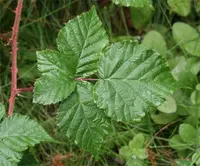
Tip-layer for propagation

In late summer, bend a healthy first-year cane down, bury the tip 5–8 cm deep, secure it with a U-shaped pin, and cut it free to transplant once roots and a new shoot form.

Targeted cane removal

Immediately remove and destroy any canes that show sudden wilting, discoloration, or borer holes rather than waiting for winter pruning, to limit spread of pests and vascular diseases.

Mulch for cane protection

Apply a 5–8 cm layer of clean organic mulch around but not touching the canes to moderate soil temperature, reduce fruit splash from soil-borne fungi, and protect shallow roots from mechanical damage.

Netting and harvest hygiene

Install bird netting before fruits color fully and pick berries frequently into shallow containers, handling gently to avoid bruising and mold that can spread along the cluster.

Common Pests and Diseases

Raspberry beetle

This pest damages flower buds and young fruits, causing misshapen berries with dry, brown patches and small feeding holes. Symptoms include poor fruit set and crumbly berries that spoil quickly.

Solution

Collect and destroy affected fruits, then prune and remove old fruiting canes after harvest to reduce overwintering sites. In areas where this beetle is common, use early-flowering cultivars, monitor flower clusters closely, and apply a targeted insecticide labeled for caneberries just before or at early flowering if damage has been high in previous seasons.

Cane blight

This disease causes dark, sunken cankers on canes, often beginning at pruning wounds, leading to wilting or dieback above the infection. Symptoms include cracked bark and brittle stems that snap easily in wind or when handled.

Solution

Cut out and destroy infected canes at ground level during dry weather, and make all pruning cuts clean and just above healthy buds. Avoid wounding canes during wet conditions, improve air circulation by proper spacing and tying, and use a registered fungicide spray on pruning wounds in areas with a known history of cane blight as part of broader Rubus wahlbergii care instructions.

Raspberry leaf spot

This disease produces small, round, pale spots on leaves that later develop tan centers and dark borders, leading to premature leaf drop. Symptoms include thinning foliage, reduced vigor, and lower fruit quality in severe cases.

Solution

Remove and dispose of heavily infected leaves and old, spent canes after harvest to reduce spores. Maintain good airflow through regular pruning, water at soil level rather than overhead, and, where the disease recurs annually, apply a labeled fungicide at early leaf emergence and repeat as directed during moist periods.

Aphids

These insects cluster on young shoots and the undersides of leaves, sucking sap and causing curled, distorted growth and sticky honeydew. This pest can also spread viruses within Rubus plantings.

Solution

Spray colonies off with a strong stream of water, then follow with insecticidal soap or a horticultural oil, ensuring full coverage of shoot tips and leaf undersides. Encourage natural predators such as lady beetles, avoid excessive nitrogen fertilization that promotes soft growth, and remove heavily infested shoot tips if populations remain high.

Spider mites

These pests feed on leaf undersides, causing fine stippling, dull foliage, and in heavy infestations light webbing between leaves and stems. Symptoms include leaves turning bronze or dry, especially during hot, dry weather.

Solution

Increase humidity around plants and regularly hose down canes and foliage, focusing on leaf undersides to dislodge mites. If populations persist, use a horticultural oil or miticide labeled for caneberries, rotate products to slow resistance, and reduce plant stress by consistent watering during dry periods.

Interesting Facts

Nordic distribution pattern

This species is native to northern Europe and is especially associated with Fennoscandia, where it occurs in scattered, often localized populations rather than forming the continuous thickets typical of many other brambles.

Habitat and soil preference

It is typically found in open to semi-open habitats such as forest margins, clearings, and roadsides, often on relatively moist but well-drained soils, and tends to avoid very dry or heavily waterlogged sites.

Taxonomic clarification history

Historically this species has been involved in several taxonomic revisions within the complex Rubus genus, with botanists re-evaluating its characters and distribution as part of broader efforts to untangle closely related bramble species in northern Europe.

FAQs about Rubus wahlbergii

This species forms suckering canes and can spread steadily through roots and self-seeding. In favorable conditions it may become locally aggressive, so use barriers, regular pruning, and removal of unwanted shoots to keep it contained.

Grow Healthy Plants with Botan Care

Keep your plants happy and healthy with plant identification, disease detection, and easy care guidance.

Botan plant care app — identify plants on mobile

Explore More Plants