Virginia strawberry Care (Fragaria virginiana)

Also known as: wild strawberry, mountain strawberry, blue-leaf strawberry
Virginia strawberry

About Virginia strawberry

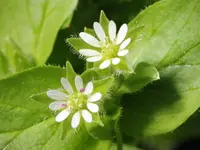
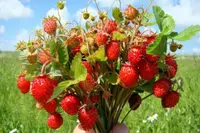
Virginia strawberry, Fragaria virginiana, is a low-growing perennial groundcover in the rose family, known for its small white flowers and bright red edible fruits. It spreads by runners, forming a dense, weed-suppressing mat that works well in naturalistic gardens and low-traffic lawn alternatives.

This species is native to much of North America, commonly found in open woods, meadows, and sunny slopes. It is generally easy to grow, as it tolerates cold, adapts to different soils, and rebounds well from light foot traffic.

To care for Virginia strawberry, provide sun to light shade, moderately moist but well-drained soil, and avoid deep shade or waterlogged spots for best vigor and fruiting.

Main Plant Requirements

Care Difficulty

Moderate Care

Light Preference

Full Sun

Water Requirements

Regular Water

Temperature Preference

Cold Hardy

Hardiness Zone

3–8

Soil Texture

Sandy, Loamy, Organic-rich

Soil pH

Acidic (5.5–6.5), Slightly acidic (6.5–7.0)

Soil Drainage

Moist but well-drained

Fertilization

Minimal (feed rarely)

Get Personalized Care Plan

Scan your plant to receive care tips personalized for your specific plant

Available on iOS and Android

How to Care for the Virginia strawberry

This species fruits best in open sites with plenty of direct sun.

  • Provide 6–8 hours of direct sun daily; morning sun with light afternoon shade reduces leaf scorch in hot summers.
  • Tolerates partial shade (3–4 hours sun), but Virginia strawberry will form fewer, smaller fruits and may grow more leafy runners.
  • In hot climates, protect from intense afternoon sun with dappled shade; in cooler regions, full sun all day is suitable from spring through fall.

This shallow-rooted plant prefers consistently moist but never saturated soil.

  • Allow the top 2–3 cm of soil to dry slightly, then water so moisture penetrates 10–15 cm deep, focusing at the base of the plants.
  • Increase watering frequency during flowering and fruiting, and after planting runners; reduce slightly in cool, rainy weather or on heavy soils.
  • Watch for wilted, dull leaves and dry soil as signs of underwatering, and for yellowing, limp leaves or soggy soil as early signs of overwatering in Fragaria virginiana beds.

This hardy strawberry tolerates a wide temperature range but has clear preferences for active growth.

  • Optimal growth and flowering occur around 60–75°F (16–24°C), with best fruit quality in cool to mild conditions, especially in spring and early summer.
  • Plants tolerate winter cold down to about -20°F (-29°C) when established and mulched, though new plantings need protection from sudden hard freezes.
  • During hot spells above 85–90°F (29–32°C), expect slower flowering and smaller berries; provide mulch and afternoon shade to keep roots cooler.

Humidity plays a minor role for Fragaria virginiana, which is adapted to outdoor conditions.

Fragaria virginiana prefers loose, moderately fertile, well-drained soil that still holds some moisture.

  • Use a loamy or sandy loam structure with 20–30% compost to supply organic matter and retain moisture.
  • Aim for slightly acidic soil, around pH 5.5–6.5, as higher pH can reduce nutrient availability and vigor.
  • Improve drainage and aeration by blending in coarse sand or perlite at 10–20% of the total volume.
  • Avoid heavy clay, compacted beds, or spots that stay waterlogged after rain, which increase root rot risk.

This species grows reliably in containers when moisture and root space are managed carefully.

  • Choose a wide, shallow to medium-depth pot so runners can root around the rim without crowding the crown area.
  • Use a heavier material like ceramic or thick plastic outdoors to reduce tipping as the plant spreads and fruits form.
  • Elevate the container slightly on pot feet or bricks to keep drainage holes clear and prevent water from pooling under the base.

This native strawberry needs only light feeding in average garden soil.

  • Use a thin layer of finished compost or a balanced 10-10-10 fertilizer at the start of spring growth.
  • During the main growing season, feed every 4–6 weeks with a half-strength balanced liquid or slow-release product.
  • Stop feeding Fragaria virginiana in late summer so plants harden off before winter dormancy.
  • Avoid overfertilizing, which causes lush leaves but fewer flowers and fruits; always follow label rates.

Pruning helps Fragaria virginiana stay productive and manage spread in garden beds.

  • In late fall or very early spring, shear back old, tattered leaves with clean hand pruners or scissors.
  • Remove dead, diseased, or insect-damaged foliage as seen to improve airflow and reduce fungal issues.
  • Thin out excess runners where patches become crowded, keeping strong, well-spaced plants for higher yields.
  • After heavy fruiting, tidy plants by trimming spent flower stalks to direct energy to crowns and roots.

Transplanting matters more than repotting, since this species is usually grown in garden beds or groundcover patches.

  • Move plants or divide crowded clumps every 2–3 years, ideally in early spring or early fall.
  • Choose plants with healthy crowns and avoid specimens with tightly circling container roots or very slow growth.
  • Water well the day before lifting, then disturb roots as little as possible and replant at the same depth.
  • Firm soil gently around crowns, water thoroughly, and shade or mulch lightly for 3–5 days to reduce transplant shock.

Fragaria virginiana is commonly propagated by runners and, less often, by seed or division.

  • In late spring to summer, peg healthy runners into loose, moist soil until they root, then sever from the mother plant.
  • Divide vigorous clumps in early spring, ensuring each section has at least 1 strong crown and healthy roots.
  • For seed, cold-stratify in moist medium at 35–40°F for 3–4 weeks, then germinate in bright, indirect light.
  • Keep all propagation media evenly moist, well-drained, and free of weeds to reduce losses and encourage strong starts.

This species is quite cold hardy but benefits from simple winter care in colder regions.

  • Fragaria virginiana crowns tolerate freezing, but repeated freeze–thaw can damage shallow roots.
  • After hard frost, apply 5–7 cm of clean straw or leaf mulch over the bed, keeping crowns just barely covered.
  • In very cold or exposed sites, add a breathable fabric cover over mulch to limit wind desiccation.
  • Move container-grown plants into an unheated garage or cold frame, keeping soil slightly moist but never soggy.

Care Tips

Mulch For Runners

Apply a thin, loose mulch layer such as clean straw around plants to keep developing runners and fruit off wet soil, which reduces rot and slug damage while still allowing new plants to root.

Renovate After Fruiting

Right after the main harvest, mow or cut back old foliage above the crown, thin crowded plants, and top-dress with compost to renew the patch and maintain strong yields the following year.

Row Cover Management

Use lightweight row covers in early spring to protect flowers from late frost, then remove or vent them on warm days to ensure pollinator access and prevent overheating.

Targeted Pest Traps

Place shallow dishes of beer or yeast water at soil level near beds to attract and drown slugs, and use yellow sticky cards at canopy height to monitor for sap-sucking pests without spraying by default.

Bed Rotation Planning

Rotate strawberry beds to a new area every 3–4 years, avoiding spots where tomatoes, peppers, potatoes, or eggplants recently grew, to reduce soil-borne disease pressure and support long-term success when growing Virginia strawberry.

Common Pests and Diseases

Strawberry leaf spot

This disease causes small purple spots on leaves that expand and often develop light gray or tan centers, leading to reduced vigor and early leaf drop.

Solution

Remove and discard heavily spotted leaves, avoid overhead watering, and keep foliage dry by watering at soil level; in persistent cases, use a labeled copper or chlorothalonil fungicide early in the season following local Fragaria virginiana care instructions.

Leaf scorch

This disease produces numerous small purple to dark brown spots that can merge and give leaves a scorched, reddish-brown appearance, especially on older foliage.

Solution

Thin plants or runners to improve air circulation, remove and dispose of badly affected leaves after they dry, avoid wetting the foliage, and apply a suitable preventive fungicide early in the season if the problem recurs yearly.

Gray mold (Botrytis)

This disease causes blossom blight, fruit rot, and a fuzzy gray mold on flowers and ripening berries, especially during cool, wet weather.

Solution

Promptly remove and discard infected flowers and fruit, space plants for good airflow, use straw or other clean mulch to keep fruit off wet soil, and apply a Botrytis-specific fungicide during bloom if conditions are consistently cool and humid.

Strawberry root weevil

These insects feed as larvae on roots and crowns, reducing plant vigor, while adults chew notches along leaf edges, often on older leaves.

Solution

Inspect for notched leaves and wilting plants, remove plant debris and dense ground covers that shelter adults, hand-pick adults at night if populations are small, and consider using beneficial nematodes in the soil to target larvae around the root zone.

Tarnished plant bug

This pest pierces flowers and developing fruit, causing misshapen berries with hard, seedy tips often called cat-faced fruit.

Solution

Use fine-mesh row covers during flowering to exclude adults, remove nearby weedy hosts, gently shake plants over a white tray to monitor populations, and if needed apply a targeted insecticide labeled for strawberries just before bloom while avoiding sprays during peak pollinator activity.

Interesting Facts

Wild strawberry ancestor

This species is one of the two wild North American strawberries that were hybridized in Europe in the 18th century to create the modern cultivated garden strawberry, Fragaria × ananassa.

Dioecious reproductive strategy

Many populations are functionally dioecious, meaning individual plants are mostly male or mostly female, which promotes cross-pollination and increases genetic diversity within stands.

Native habitat specialist

It is native to a wide range of North American habitats including prairies, open woodlands, rocky slopes, and roadsides, and is particularly associated with early-successional or recently disturbed sites where it can spread quickly by runners.

Botan icon

Did you know?

Genetic studies show that Fragaria virginiana carries important disease-resistance and cold-tolerance traits, so plant breeders still use it as a parent in modern breeding programs to improve commercial strawberry varieties.

FAQs about Virginia strawberry

This species spreads by short runners, forming a low, patchy ground cover rather than taking over large areas. In garden beds it is usually easy to manage by lifting unwanted runners and edging once or twice per season.

Grow Healthy Plants with Botan Care

Keep your plants happy and healthy with plant identification, disease detection, and easy care guidance.

Botan plant care app — identify plants on mobile

Explore More Plants