black highbush blueberry Care (Vaccinium fuscatum)

black highbush blueberry

About black highbush blueberry

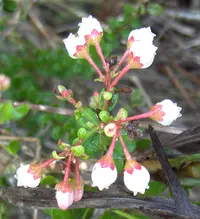
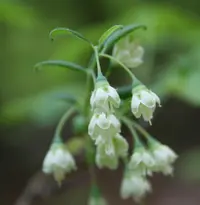
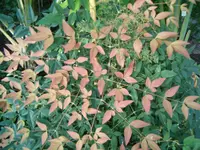
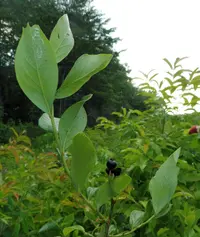
Black highbush blueberry (Vaccinium fuscatum) is a deciduous shrub in the heath family, related to cultivated blueberries. It typically forms a multi-stemmed, upright clump with fine branches and small, oval leaves that turn colorful in fall. In spring it bears small, bell-shaped flowers, followed by dark purple to almost black berries that attract birds and wildlife.

This species is native to the southeastern United States, where it grows in moist woods, boggy edges, and open, acidic sites. It is generally hardy but needs acidic, well-drained yet moisture-retentive soil and consistent moisture to thrive. Once these conditions are understood, it is relatively straightforward to care for black highbush blueberry in a home garden.

Main Plant Requirements

Care Difficulty

Moderate Care

Light Preference

Full Sun

Water Requirements

Regular Water

Temperature Preference

Cold Hardy

Hardiness Zone

6–9

Soil Texture

Sandy, Loamy, Organic-rich

Soil pH

Strongly acidic (4.5–5.5)

Soil Drainage

Moist but well-drained

Fertilization

Minimal (feed rarely)

Get Personalized Care Plan

Scan your plant to receive care tips personalized for your specific plant

Available on iOS and Android

How to Care for the black highbush blueberry

This deciduous shrub needs consistent outdoor light to flower and fruit well.

  • Provide 6–8 hours of direct sun daily, with a preference for morning sun and light afternoon shade in hotter regions.
  • Tolerates partial shade (around 3–4 hours direct sun), but black highbush blueberry will yield fewer fruits and may grow more leggy in lower light.
  • In summer, protect from intense late-afternoon sun to reduce leaf scorch; in early spring, full sun helps warm the soil and encourages earlier bud break.

This shrub prefers evenly moist, acidic soil and does not tolerate drought or standing water.

  • Water when the top 3–5 cm of soil feels dry, aiming to keep the root zone consistently damp but not saturated.
  • During hot, dry periods, check soil every 1–2 days; in cool or rainy seasons, extend intervals and rely more on natural rainfall.
  • Signs of overwatering include yellowing leaves and soft roots, while dull, curling leaves and dry, crumbly soil suggest Vaccinium fuscatum is too dry.

This species is adapted to temperate climates with cool winters and warm summers.

  • Active growth is strongest at 65–80°F (18–27°C), with good flowering and fruiting in these conditions.
  • Plants tolerate winter lows down to about 0°F (−18°C) once established, but young shrubs benefit from mulch to buffer freeze–thaw cycles.
  • In summer, shrubs handle short heat spells up to 90°F (32°C) if soil moisture is maintained; prolonged higher heat can stress plants and reduce fruit set.

This species tolerates a wide humidity range but benefits from moderately moist air in hot, dry climates.

  • Aim for 40–60% humidity, similar to most outdoor conditions in temperate regions.
  • Dry air combined with heat can cause leaf edge browning and faster substrate drying in black highbush blueberry.
  • Increase humidity outdoors by using organic mulch over the root zone, which slows evaporation and stabilizes local moisture.

Vaccinium fuscatum prefers acidic, moist yet well-drained soil with high organic content.

  • Use a mix of 50–70% peat or pine bark fines with the remainder coarse sand and perlite for structure and drainage.
  • Target soil pH of 4.0–5.5; avoid alkaline amendments such as lime, wood ash, or hard, calcareous water.
  • Ensure soil stays evenly moist but not waterlogged, as prolonged saturation leads to root decline and nutrient imbalance.
  • Improve aeration in heavy native soil by creating a raised bed or large mound blended with acidic organic matter and coarse mineral material.

This shrub can be grown in containers if the pot is large and moisture management is controlled.

  • Choose a container at least 35–45 cm deep to accommodate the fibrous root system and maintain stable moisture distribution.
  • Select a sturdy, wider-based pot to prevent tipping as the shrub gains height and lateral branch spread.
  • Use a thick layer of coarse pine bark at the bottom above drainage holes to prevent fine mix from clogging and to maintain outflow.

This shrub benefits from modest feeding in acidic, low-salt soils, especially in poor native sites when caring for black highbush blueberry.

  • Use an acid-forming, slow-release fertilizer or balanced NPK (such as 10-10-10) formulated for blueberries or azaleas.
  • Feed lightly once in early spring and again in late spring; avoid midsummer and late-season applications.
  • Apply at 1/2–3/4 the label rate for container plants and young shrubs to prevent root burn.
  • Do not fertilize during winter dormancy; stop feeding by mid-summer so new growth hardens before cold weather.

Pruning Vaccinium fuscatum maintains plant health, light penetration, and productive fruiting wood.

  • Time main pruning for late winter to very early spring, before buds swell.
  • Remove dead, diseased, or storm-damaged stems first, cutting back to healthy wood with clean bypass pruners.
  • Thin out the oldest, thickest canes and crowded interior shoots to improve airflow and encourage new growth.
  • Lightly shape after fruiting if needed, keeping a natural, open shrub form rather than tight shearing.

Transplanting is more common than repotting, since this blueberry is usually grown in the ground.

  • Plan moves for early spring or fall when temperatures are mild and the plant is not actively fruiting.
  • Look for slow growth, roots circling a pot, or the shrub lifting from soil as signs a container plant needs a larger space.
  • Dig a wide, shallow planting hole and keep the root ball intact; disturb roots as little as possible to minimize stress.
  • Water thoroughly after transplanting, then maintain evenly moist, acidic soil and provide light shade for 1–2 weeks while the plant re-establishes.

Vaccinium fuscatum is commonly propagated by cuttings, layering, or seed for habitat and fruit production.

  • Take semi-hardwood cuttings in mid to late summer and insert into an acidic, well-drained, moist medium under high humidity.
  • Use hardwood cuttings in late winter, 10–15 cm long, with several buds, and keep the lower node buried.
  • Encourage natural layering by pinning low, flexible stems into shallow, acidic soil until roots form, then separate.
  • Sow stratified seed in acidic mix; provide several months of cold, moist stratification at 34–41°F for better germination.

This species is generally cold hardy in much of its range and needs only modest winter care in the ground.

  • Tolerates typical winter frosts once established, though young plants are more sensitive to sudden temperature swings.
  • Apply 5–8 cm of mulch around the root zone in late fall, keeping it slightly away from the stems.
  • For container plants in colder areas, move pots into a sheltered, unheated but frost-moderated location to prevent root damage.

Care Tips

Mulch For Moisture

Apply a 5–8 cm layer of pine bark, pine needles, or shredded hardwood around the root zone, keeping mulch 5–8 cm away from the stems to maintain consistent soil moisture and protect the shallow roots from temperature swings.

Create Root-Friendly Beds

Instead of isolated holes, establish a wide, low raised bed of acidic mix (at least 1–1.5 m across) so the fibrous root system can spread horizontally and avoid competition with turfgrass and heavier native soil.

Selective Cane Renewal

Every late winter, remove 1–3 of the oldest, thickest canes at the base to encourage new vigorous shoots, improve air movement, and maintain a productive framework over the long term.

Bird Protection Strategy

Install bird netting over a simple frame before berries begin to blush and secure it tightly to the ground or bed edges to prevent birds from reaching ripening fruit while still allowing light and airflow.

Fruit Load Management

During the first 1–2 years after planting, remove most flower clusters by hand so the plant directs energy into root and framework development, which leads to better yields and easier caring for black highbush blueberry in later seasons.

Common Pests and Diseases

Blueberry maggot

This pest is a small fly whose larvae tunnel inside ripening berries, causing them to soften, collapse, and drop prematurely.

Solution

Monitor fruit with yellow sticky cards starting early summer and remove any infested or fallen berries to break the life cycle; if pressure is high, apply a spinosad-based fruit spray according to label directions, beginning just before color change of the berries and repeating as directed.

Cranberry fruitworm

This pest is a moth whose green larvae feed inside green to pink berries, leaving webbing and clusters of prematurely reddened, shriveled fruit.

Solution

Hand-remove and destroy infested fruit clusters as soon as webbing or premature reddening is seen, keep the ground under plants clean of dropped berries, and in high-pressure areas use a Bacillus thuringiensis (Bt) or spinosad spray shortly after petal fall, timed to local extension recommendations for blueberries.

Mummy berry

This disease is a fungal infection that causes young shoots and leaves to wilt and blight, and later turns berries into hard, shriveled, pale “mummies” that fall to the ground.

Solution

Rake up and destroy mummified berries in late fall and early spring, apply a 5–8 cm layer of clean mulch to bury remaining mummies, prune to open the canopy for better airflow, and in high-risk areas use a registered fungicide at bud break and during bloom as advised by local extension services.

Botrytis blossom blight

This disease is a gray mold that attacks flowers and young shoots in cool, wet weather, leading to blighted blossoms and soft, fuzzy gray growth on infected tissue.

Solution

Improve air circulation by pruning crowded stems, avoid overhead watering during bloom, remove and discard blighted flowers and shoots, and in persistent wet springs consider a preventive bloom-time fungicide labeled for blueberries.

Leaf spot (Septoria)

This disease causes small, circular tan to gray spots with darker margins on leaves, which can merge and lead to premature leaf drop, especially on lower, shaded foliage.

Solution

Remove and dispose of fallen leaves each autumn, avoid wetting foliage with irrigation, thin dense stems to increase light and airflow, and where leaf loss is severe, apply a labeled fungicide in early spring when new leaves are expanding, following local Vaccinium fuscatum plant care guidelines.

Interesting Facts

Darkest wild blueberry

This species produces notably dark, almost black berries compared to most native highbush blueberries, which is why it is commonly called black highbush blueberry.

Specialized wetland shrub

It naturally occurs in acidic, seasonally wet habitats such as boggy flatwoods and swamp margins in the southeastern United States, where its roots tolerate fluctuating water levels that would stress many other shrubs.

Early-spring pollinator resource

Its small, urn-shaped flowers open in early spring and provide nectar and pollen for native bees before many other shrubs leaf out, supporting pollinators coming out of winter dormancy.

Botan icon

Did you know?

Genetic and field studies indicate that Vaccinium fuscatum commonly hybridizes with other native blueberry species, making it an important contributor to the natural genetic diversity seen in wild blueberries of the southeastern United States.

FAQs about black highbush blueberry

Yellowing leaves usually indicate nutrient issues, most often iron deficiency from soil that is not acidic enough, or overall nitrogen shortage. Compacted, waterlogged soil or damaged roots can also reduce nutrient uptake and cause chlorosis and leaf drop.

Grow Healthy Plants with Botan Care

Keep your plants happy and healthy with plant identification, disease detection, and easy care guidance.


Botan plant care app — identify plants on mobile

Explore More Plants