deerberry Care (Vaccinium stamineum)

deerberry

About deerberry

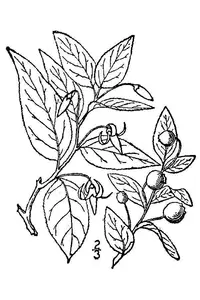
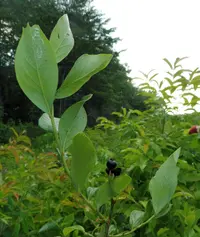
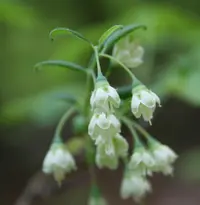
Deerberry (Vaccinium stamineum) is a deciduous shrub in the blueberry family, usually forming loose, airy clumps with many slender branches. It often grows 1–2 m tall in the wild, with small, bell-shaped white flowers followed by pale green to bluish berries. Native to eastern North America, it is commonly found in open woods, rocky slopes, and dry, acidic hillsides. The plant prefers well-drained, acidic soil and does best in sun to light shade. It is generally hardy and low-maintenance once established, though it dislikes poorly drained or highly alkaline conditions, which guides how to care for deerberry in gardens or naturalized plantings.

Main Plant Requirements

Care Difficulty

Moderate Care

Light Preference

Partial Sun

Water Requirements

Moderate Water

Temperature Preference

Cold Hardy

Hardiness Zone

5–9

Soil Texture

Sandy, Loamy, Organic-rich

Soil pH

Strongly acidic (4.5–5.5), Acidic (5.5–6.5)

Soil Drainage

Moist but well-drained

Fertilization

Minimal (feed rarely)

Get Personalized Care Plan

Scan your plant to receive care tips personalized for your specific plant

Available on iOS and Android

How to Care for the deerberry

Vaccinium stamineum prefers bright sites with some protection from harsh midday sun.

  • Provide 4–6 hours of direct morning sun with light afternoon shade, or bright dappled shade all day under open trees.
  • Plant deerberry where it receives more sun in cool climates and a bit more shade in hotter southern areas to prevent leaf scorch.
  • Watch for pale, weak growth and few flowers in deep shade, and for brown, crisp leaf edges in intense all-day sun.

This species prefers consistently moist but not saturated, acidic soil.

  • Water when the top 3–5 cm of soil feels dry, aiming to keep the root zone slightly damp during the growing season without puddling.
  • In spring and summer, monitor rainfall and supplement only if soil is drying; reduce watering in fall and winter once growth slows.
  • Signs of overwatering include yellowing leaves and soft stems, while drooping, curling leaves and dry, crumbly soil suggest underwatering in Vaccinium stamineum.

This deciduous shrub is hardy and handles a wide range of outdoor temperatures.

  • Active growth is strongest around 65–80°F (18–27°C), with good performance in typical spring and early summer conditions.
  • Established plants usually tolerate winter cold down to about -10°F (-23°C) when fully dormant, especially with mulch over the root zone.
  • Heat above 90°F (32°C) can stress plants; provide mulch and some afternoon shade, and avoid planting where reflected heat builds up.

This shrub handles a wide range of outdoor humidity but benefits from moderately moist air during hot, dry spells.

  • Aim for 40–60% humidity in exposed sites, especially in hotter regions, to reduce leaf stress.
  • Leaves curling, crisping at edges, or premature drop during heat often indicate low humidity stress rather than underwatering.
  • Increase humidity by using mulch over the root zone, grouping plants, and ensuring regular deep watering during dry, windy weather.

Vaccinium stamineum prefers acidic, well‑drained, humus‑rich soil that stays evenly moist but not saturated.

  • Use a mix of sandy or loamy soil with abundant pine bark fines and leaf mold to create a loose, organic-rich structure.
  • Maintain acidic conditions at about pH 4.5–5.5; incorporate peat moss or ericaceous compost to lower pH if needed.
  • Ensure sharp drainage by avoiding heavy clay; add coarse sand or small gravel if water lingers after rain or irrigation.
  • Avoid alkaline amendments like lime or wood ash, which can trigger nutrient deficiencies and weak, chlorotic foliage.

This species can be grown in containers for several years if the pot is deep and allows for stable, spreading root development.

  • Choose a tall, narrow container that anchors the plant against wind while still allowing lateral root spread.
  • Select thick-walled, non-porous pots if growing in full sun to reduce rapid drying of the acidic mix.
  • Elevate the container slightly on feet or bricks so drainage holes never sit in collected runoff.

Vaccinium stamineum is adapted to low-nutrient, acidic soils and needs only light, targeted feeding.

  • Use a slow-release, acid-forming fertilizer or balanced NPK around 5-5-5 formulated for blueberries once in early spring.
  • Apply at half the label rate to avoid salt build-up and root burn in this nutrient-sensitive shrub.
  • Supplement with a thin layer of acidic compost or pine bark fines as organic matter during the growing season.
  • Stop feeding deerberry by mid-summer and do not fertilize in winter dormancy.

Pruning Vaccinium stamineum is mainly about maintaining plant health and an open, productive structure.

  • Prune in late winter to very early spring, before new growth begins.
  • Remove dead, diseased, crossing, or inward-growing branches to improve airflow and light penetration.
  • Thin crowded older stems at the base to encourage vigorous young shoots and better flowering.
  • Use clean, sharp bypass pruners and make cuts just above outward-facing buds or branch junctions.

This shrub is usually grown in the ground, so focus on careful transplanting rather than frequent repotting.

  • Transplant in early spring or early fall when temperatures are mild and soil is moist but not waterlogged.
  • Look for signs such as roots circling a nursery pot, poor drainage, or very slow growth before moving a plant.
  • Set the root ball at the same depth, in acidic, well-drained soil, watering thoroughly to settle soil around roots.
  • Reduce transplant stress by shading for 1–2 weeks, keeping soil evenly moist, and avoiding heavy pruning at the same time.

Propagation of Vaccinium stamineum is feasible for patient growers using hardwood or semi-ripe cuttings and seeds.

  • Take semi-ripe cuttings in mid- to late summer, 7–10 cm long, from healthy non-flowering shoots.
  • Insert cuttings in a moist, acidic, well-drained medium, using bottom heat and high humidity for best rooting.
  • Sow cleaned seeds in fall or late winter; cold stratification improves germination of this woodland species.
  • Layering low, flexible stems into adjacent soil can also root over 1 season for later separation.

This deciduous shrub is cold hardy in much of its native range and usually needs minimal winter attention.

  • Tolerates typical winter lows in many temperate regions once established, especially in well-drained soil.
  • Apply 5–8 cm of organic mulch over the root zone in late fall, keeping it slightly away from the stems.
  • For container plants, move pots into a sheltered, unheated area to prevent root freeze-thaw damage.

Care Tips

Mulch For Roots

Apply a 5–8 cm layer of pine bark or pine needle mulch around the root zone to keep the shallow roots cool, suppress weeds, and maintain the acidic conditions this shrub prefers.

Understory Positioning

Plant it at the dappled edge of taller shrubs or small trees to mimic its natural woodland understory habitat and reduce stress from intense afternoon sun and heat.

Gentle Root Protection

Avoid hoeing or deep cultivation under the canopy and instead hand-pull weeds or use surface mulch, since this species has fine, shallow roots that are easily damaged.

Wildlife-Safe Netting

If birds strip the fruit before harvest, drape lightweight, wildlife-safe netting over a temporary frame just during ripening, removing it promptly once most berries are picked.

Mycorrhiza Support

When establishing new plants, avoid high-phosphorus fertilizers and unnecessary fungicide drenches so that beneficial mycorrhizal fungi, which help with nutrient uptake in growing deerberry, can develop around the roots.

Common Pests and Diseases

Mummy berry

This disease causes young shoots and flower clusters to wilt and turn brown, and developing berries shrivel into hard, grayish mummies. Symptoms include tan, cup-shaped spore structures on fallen leaves in spring and misshapen, pale fruits that dry out on the stem.

Solution

Rake up and remove all mummified berries and fallen leaves in late fall and very early spring to reduce spores, and avoid overhead watering that keeps foliage wet. In plantings with repeated issues, apply a registered fungicide labeled for mummy berry at bud break and early bloom, and maintain good spacing and airflow around shrubs.

Leaf spot

This disease causes small, round to irregular spots on leaves that may be purple, reddish, or tan with darker margins, and can lead to partial defoliation in late summer. Symptoms include thinning foliage and reduced vigor on stressed plants, especially in humid, shaded sites.

Solution

Prune to open the canopy and improve airflow, and remove heavily spotted, fallen leaves during the season and in fall. If leaf spots recur yearly and the plant is important, use a labeled fungicide at leaf-out and early summer, and avoid overhead irrigation that keeps leaves wet for long periods.

Blueberry maggot

This pest is the larval stage of a small fly whose maggots tunnel inside ripening berries, making them soft, watery, and unfit to eat. Symptoms include berries that collapse when squeezed and may show tiny exit holes.

Solution

Collect and destroy infested and dropped berries during the season to break the life cycle, and use fine mesh netting over shrubs before flies become active to prevent egg-laying. In areas with known pressure, place yellow sticky cards or baited traps at fruiting time and consider a targeted insecticide labeled for blueberry maggot, applied according to local extension guidance.

Blueberry stem borer

This insect pest tunnels inside stems, causing sudden wilting or dieback of individual canes while foliage on other stems remains healthy. Symptoms include small entry holes, frass (sawdust-like material), and hollow or weakened stems that break easily.

Solution

Prune and destroy infested canes below the tunneling as soon as wilting or frass is noticed, and dispose of them away from the planting. Maintain shrub vigor with proper watering and mulching so new, healthy shoots replace damaged wood, and monitor annually for fresh entry holes on young stems.

Scale insects

These insects attach to stems and sometimes leaves as small, rounded or oval bumps, feeding on sap and weakening the plant over time. Symptoms include sticky honeydew, sooty mold growth on surfaces, and gradual decline in vigor or twig dieback on heavily infested shrubs.

Solution

For light infestations, gently scrub stems with a soft brush and water or horticultural soap solution to dislodge scales, and prune out heavily encrusted twigs. For persistent problems, apply horticultural oil during the dormant season to smother overwintering stages, following label directions and avoiding application during temperature extremes.

Interesting Facts

Highly variable berries

This species produces berries that can range from nearly white or pale green to deep blue-black, even on plants growing in the same area, reflecting strong genetic and environmental variation within the species.

Obligate mycorrhizal partner

Like many ericaceous shrubs, deerberry relies on ericoid mycorrhizal fungi on its fine roots to access nutrients in acidic, nutrient-poor soils, which helps explain its success on dry, sandy or rocky sites.

Fire and disturbance associate

Deerberry commonly occurs in open oak-pine woodlands and barrens that experience periodic fire or other disturbance, and it tends to decline as these habitats grow dense and shaded without such events.
Botan icon

Did you know?

Deerberry flowers are visited and buzz-pollinated by native bumble bees and other bees that vibrate the anthers to shake out pollen, making specialized bee pollinators critical for reliable fruit set in wild populations.

FAQs about deerberry

The fruits are edible but usually small and tart. Birds and wildlife use them heavily. Humans can eat them fresh or cooked in jams and mixed-fruit dishes, but flavor and sweetness vary between individual shrubs.

Grow Healthy Plants with Botan Care

Keep your plants happy and healthy with plant identification, disease detection, and easy care guidance.

Botan plant care app — identify plants on mobile

Explore More Plants