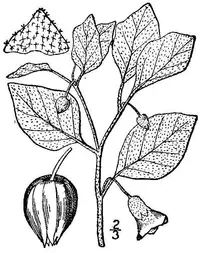
Costa Rican blueberry Care (Vaccinium consanguineum)

Costa Rican blueberry

About Costa Rican blueberry

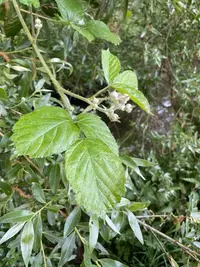
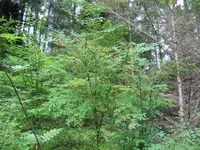
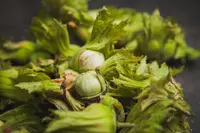
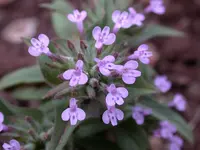
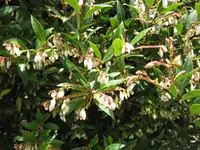
Vaccinium consanguineum, commonly called Costa Rican blueberry, is an evergreen shrub from highland cloud forests in Central America. It forms upright, branched bushes with small, glossy leaves and attractive, urn-shaped flowers that mature into dark, edible berries.

In its native range it grows in cool, misty, and often acidic mountain soils. The plant prefers bright, filtered light, consistent moisture, and well-drained, acidic substrate, similar to garden blueberries.

Its cool-temperature needs and requirement for acidic soil make it more challenging for warm-climate or casual growers. Learning how to care for Costa Rican blueberry helps prevent stress from heat, low humidity, or alkaline conditions, especially in containers or indoor setups.

Main Plant Requirements

Care Difficulty

Moderate Care

Light Preference

Partial Shade

Water Requirements

Regular Water

Temperature Preference

Warm Climate

Hardiness Zone

10–12

Soil Texture

Loamy, Peaty, Organic-rich

Soil pH

Strongly acidic (4.5–5.5), Acidic (5.5–6.5)

Soil Drainage

Moist but well-drained

Fertilization

Minimal (feed rarely)

Get Personalized Care Plan

Scan your plant to receive care tips personalized for your specific plant

Available on iOS and Android

How to Care for the Costa Rican blueberry

This highland shrub prefers bright, gentle light rather than harsh, all-day sun.

  • Provide 4–6 hours of direct morning sun with light shade or filtered light from midday onward, especially in warmer lowland sites.
  • In cooler, misty or high-elevation areas, Costa Rican blueberry tolerates more direct sun, but leaf scorch appears if exposed to intense afternoon sun in dry conditions.
  • If stems elongate, leaves pale, or flowering drops, the plant is likely in too much shade and needs a brighter position.

This species prefers consistently moist, acidic, well-drained soil without staying waterlogged.

  • Irrigate when the top 2–4 cm of soil feel slightly dry, aiming for evenly moist but never saturated conditions around the root zone.
  • During hot, dry periods, increase watering frequency while relying on mulch to reduce evaporation; cut back in cool or rainy seasons to avoid root problems.
  • Signs of overwatering include yellowing leaves and soft stems, while dull, curling, or crispy leaf edges suggest the Vaccinium consanguineum is drying out.

This cloud-forest shrub thrives in mild, stable temperatures without hard frost or scorching heat.

  • Ideal growth occurs around 60–75°F (16–24°C), similar to cool, humid highland conditions with moderate day–night fluctuation.
  • The plant tolerates brief drops to about 35–40°F (2–4°C) but young growth is damaged by frost, so protection is needed in colder microclimates.
  • Heat above 85°F (29°C), especially with low humidity, can stress plants; provide shade, mulch, and extra water in hot seasons to prevent leaf scorch and fruit drop.

This species prefers consistently moist air that does not drop to very dry indoor levels.

  • Aim for 50–70% humidity, especially when growing Costa Rican blueberry in warm rooms or under strong light.
  • Dry air causes leaf edge browning, pale new growth, and slower shoot extension over several weeks.
  • Increase humidity with a nearby open tray of water and stones, grouped plants, or a room humidifier rather than misting leaves directly.

Vaccinium consanguineum needs acidic, airy, and consistently moist but well-drained substrate.

  • Use a mix based on 60–80% peat or fine pine bark with added perlite and a small amount of composted bark, similar to azalea or blueberry mixes.
  • Target pH 4.5–5.5; avoid lime, wood ash, or regular garden soil that pushes pH toward neutral.
  • Ensure very free drainage by using coarse perlite or pumice so water drains in seconds, while the organic fraction still holds moisture.
  • Avoid heavy clay, compacted media, and any mix that stays waterlogged for more than 24 hours, which promotes root rot and poor nutrient uptake.

This species is suitable for container growing when the root zone and shrub canopy are given stable support.

  • Choose a deep container that allows a fibrous but moderately extensive root system to spread vertically, reducing drought stress between waterings.
  • Use a slightly heavier pot material or add surface stones so the container remains stable against wind as the shrub gains height.
  • Raise the pot on feet or bricks so drainage holes stay clear, preventing perched water from lingering at the base of the root ball.

Vaccinium consanguineum benefits from light, acidic fertilization rather than heavy feeding.

  • Apply a balanced, acid-forming fertilizer (such as 10-10-10 or azalea/rhododendron feed) at 1/2 strength in early spring.
  • Top-dress with acidic compost or pine bark once in spring to support soil organic matter.
  • Repeat light feeding once more in midsummer if growth or fruiting is modest.
  • Stop fertilizing Costa Rican blueberry 6–8 weeks before expected frost and do not feed during winter dormancy.

Vaccinium consanguineum responds well to light, structural pruning that maintains airflow and fruiting wood.

  • Carry out main pruning in late winter to very early spring, before active growth starts.
  • Remove dead, diseased, crossing, or inward-growing branches with clean bypass pruners or loppers.
  • Thin a few older, weak stems at the base to encourage vigorous new shoots and better fruit set.
  • Shorten excessively long or leaning branches slightly to maintain a stable, open shrub shape.

This species is usually grown in the ground, so focus on careful transplanting and occasional container upsizing when necessary.

  • Transplant in late winter or early spring when growth is just starting and temperatures are mild.
  • Look for signs such as roots circling the pot, slow growth, or quick drying soil to decide on moving a container plant up 1 pot size.
  • Prepare a wide hole with acidic, well-drained mix, keep the original rootball level with the soil surface, and firm gently.
  • Water deeply after transplanting, then keep soil evenly moist and shaded for 1–2 weeks to reduce root stress.

Vaccinium consanguineum is commonly propagated by semi-hardwood cuttings and sometimes by seed for breeding or restoration.

  • Take semi-hardwood cuttings in late summer, 8–12 cm long, from healthy, non-flowering shoots.
  • Use a sterile, acidic rooting medium such as 1:1 peat and perlite, and maintain high humidity with bottom warmth around 70–75°F.
  • Apply a mild rooting hormone to the cut base and insert cuttings with at least 2 nodes buried for better rooting.
  • Sow fresh seed in acidic mix, keep evenly moist and cool, and expect slow, uneven germination compared with cuttings.

This shrub is moderately cold tolerant but benefits from basic winter care in cooler climates.

  • Mulch the root zone with 5–8 cm of pine bark or needles in late fall to stabilize soil temperature.
  • In regions with hard frosts, wrap young stems loosely with breathable fabric to reduce freeze damage.
  • Move container-grown plants into a sheltered, frost-free but cool spot, keeping soil just slightly moist.

Care Tips

Acidic mulch layering

Apply a 5–8 cm layer of pine bark, pine needles, or shredded conifer mulch around the root zone each year to maintain acidity, reduce weed pressure, and protect the plant’s fine surface roots from temperature swings.

Bush renewal pruning

Every 2–3 years, remove 1–3 of the oldest, thickest canes at ground level after fruiting to encourage new, productive shoots and maintain an open, well-lit framework.

Shade acclimation steps

When moving plants from shade house or indoor conditions to brighter outdoor light, increase exposure over 10–14 days to prevent leaf scorch and stress, especially important for Costa Rican blueberry indoor care transitions.

Soil surface aeration

Once or twice a year, gently loosen the top 2–3 cm of soil outside the main root crown with a hand fork to improve air exchange and water infiltration without disturbing the shallow feeder roots.

Targeted bird management

Install fine bird netting over a simple frame before berries begin to blush and remove it promptly after harvest to protect the crop while still allowing pollinators access early in the season when growing Costa Rican blueberry.

Common Pests and Diseases

Blueberry rust

This disease causes yellow spots on upper leaf surfaces and orange powdery pustules on the undersides, leading to early leaf drop in humid, mild climates.

Solution

Remove and destroy heavily infected leaves, avoid overhead watering, and improve spacing and airflow around plants; in high-pressure areas, apply a registered copper-based fungicide at the first appearance of spots, following local Vaccinium consanguineum care instructions and label directions carefully.

Anthracnose fruit rot

This disease produces soft, sunken, salmon-colored lesions on ripening berries and can also infect stems and leaves in warm, wet weather.

Solution

Harvest fruit promptly, remove and discard mummified or rotting berries, prune to open the canopy for better air circulation, and apply a suitable fungicide during flowering and early fruit set in rainy seasons if the problem is recurrent.

Mummy berry

This disease causes young shoots to wilt and die back and turns berries into shriveled, pale, mummified fruits that drop or remain on the plant.

Solution

Collect and destroy all mummified fruit on and under plants, mulch the soil surface with a fresh 5–8 cm layer of organic mulch to bury spores, and use resistant or locally adapted plant material when possible; in areas with a history of infection, preventive fungicide sprays at bud break may be needed.

Blueberry stem blight

This disease leads to sudden wilting and dieback of individual stems, often starting at pruning wounds or damaged tissue, with internal brown discoloration of the wood.

Solution

Prune out affected stems at least 15–20 cm below visible symptoms, disinfect pruning tools between cuts with 70% alcohol or a bleach solution, avoid heavy pruning during very wet periods, and maintain even soil moisture to reduce stress on plants.

Fruit-piercing moths

These insects puncture ripening berries at night to feed on juice, causing leaking, collapse, and secondary fungal infections on the fruit clusters.

Solution

Hand-pick and destroy damaged fruit, use fine insect netting over shrubs during peak ripening where the pest is common, keep the area free of fallen overripe fruit that attracts adults, and consider light traps or pheromone-based monitoring to time controls if infestation is severe.

Interesting Facts

High-elevation specialist

This species naturally occurs in high-altitude cloud forests of Central America, where it tolerates frequent mists, cool temperatures, and intense ultraviolet radiation better than many other blueberries.

Bird-dispersed berries

Its dark bluish to almost black berries are an important food source for mountain birds, which spread the seeds through their droppings and help maintain populations along forest edges and clearings.

Adapted to acidic soils

Like other blueberries, this species forms close partnerships with ericoid mycorrhizal fungi in strongly acidic, low-nutrient soils, allowing the roots to access nitrogen and phosphorus that would otherwise be unavailable.

FAQs about Costa Rican blueberry

The dark blue berries are edible and commonly used fresh, in jams, or juices. Flavor is tart to mildly sweet. Only consume ripe, clean fruit and avoid eating unknown wild plants that may look similar.

Grow Healthy Plants with Botan Care

Keep your plants happy and healthy with plant identification, disease detection, and easy care guidance.

Botan plant care app — identify plants on mobile

Explore More Plants