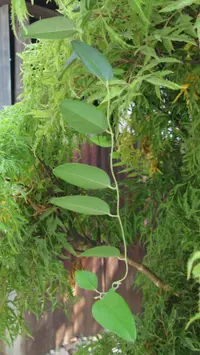
baybean Care (Canavalia rosea)

Also known as: Beach bean, Coastal jackbean, Seaside bean, MacKenzie bean, Seaside Jackbean
baybean

About baybean

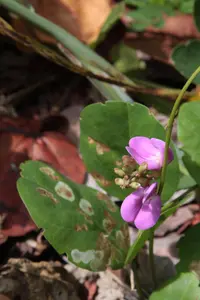
Baybean, Canavalia rosea, is a creeping perennial legume that forms dense mats with thick, leathery leaves and showy pink to purple pea-like flowers. It often produces long, flattened seed pods typical of the bean family.

This species naturally occurs on tropical and subtropical coasts, where it stabilizes sandy dunes and tolerates salt spray and wind. It is generally tough and adaptable, which makes it relatively simple to care for baybean in suitable climates.

It prefers bright light, sandy or well-drained soil, and moderate moisture, but established plants handle short dry periods and poor soils better than many ornamental species.

Main Plant Requirements

Care Difficulty

Easy Care

Light Preference

Full Sun

Water Requirements

Moderate Water

Temperature Preference

Tropical / Frost Sensitive

Hardiness Zone

9–12

Soil Texture

Sandy, Loamy, Organic-rich

Soil pH

Slightly acidic (6.5–7.0), Neutral (7.0)

Soil Drainage

Well-drained

Fertilization

Minimal (feed rarely)

Get Personalized Care Plan

Scan your plant to receive care tips personalized for your specific plant

Available on iOS and Android

How to Care for the baybean

This coastal legume prefers strong light to support dense growth and flowering.

  • Provide 6–8 hours of direct sun daily; full sun is ideal, especially on open, sandy sites for baybean.
  • Accepts light partial shade, such as 2–4 hours of filtered morning sun plus bright exposure the rest of the day, but flowering may decrease.
  • In very hot inland summers, protect from intense late-afternoon sun with light shade; watch for leaf scorch, pale foliage, or leggy stems as signs of light imbalance.

This salt-tolerant dune plant prefers infrequent, deep watering once established.

  • Use fast-draining, sandy or gritty soil so roots dry between waterings and do not sit in standing water.
  • Outdoors in similar conditions to its native habitat, water only when the top 5–7 cm of soil is dry; leaves curling or dull color suggest Canavalia rosea is too dry.
  • Reduce or stop supplemental water during cool or rainy seasons; yellowing, soft stems or a sour soil smell indicate overwatering and possible root rot.

This species thrives in warm, frost-free coastal climates.

  • Aim for 70–90°F (21–32°C) for vigorous growth and flowering during the main growing season.
  • Plant in regions where winter temperatures stay above 50°F (10°C); growth slows below this and damage may occur with prolonged chill.
  • Avoid any frost, as tissue is easily injured near 32°F (0°C); in very hot spells above 95°F (35°C), provide mulch and some airflow to limit heat stress.

This coastal legume tolerates a wide humidity range but grows best with moderately moist air.

  • Aim for 40–60% humidity; typical indoor and outdoor coastal conditions usually suffice for baybean.
  • Tolerates dry air fairly well, but prolonged levels below 30% may slow growth and cause leaf edge browning or curling.
  • Increase humidity in very dry climates by grouping plants, placing trays of water and pebbles nearby, or using a small humidifier outdoors on patios.

This species prefers loose, sandy, sharply draining substrates that mimic coastal dune conditions.

  • Use a mix of roughly 60–70% coarse sand with 30–40% composted organic matter to keep the root zone both aerated and fertile.
  • Ensure very rapid drainage; raised beds or mounded planting areas help prevent standing water around roots.
  • Canavalia rosea tolerates slightly acidic to slightly alkaline conditions, around pH 6.5–8.0, as long as water does not stagnate.
  • Avoid compacted clay, peat-heavy mixes that stay wet, or sites where water collects after rain, which can promote root rot.

This species can be grown in containers when given ample root space and fast drainage.

  • Choose a wide, low container to accommodate its trailing habit and prevent the pot from tipping as vines spread.
  • Select a heavier material such as ceramic or clay outdoors to stabilize the plant against wind and spreading growth.
  • Use a coarse, fast-draining mix and elevate the pot slightly on feet so drainage holes clear quickly after watering or storms.

Canavalia rosea is a tough coastal legume that usually needs only light feeding in poor or sandy soils.

  • Use a balanced, slow‑release fertilizer (for example 10‑10‑10) or a thin layer of compost at the start of the warm growing season.
  • Apply once at spring onset, with a second light feeding mid‑season only if growth is pale or weak.
  • Reduce or skip feeding in cooler months or dormancy, as nutrient demand is low then.
  • Use fertilizer at 1/2 label strength on established baybean to avoid salt buildup in sandy coastal soils.

Canavalia rosea benefits from modest pruning to manage spread and maintain a dense, healthy groundcover.

  • Carry out light pruning in late winter or early spring before vigorous new growth starts.
  • Remove dead, damaged, or diseased stems first, then thin crowded runners to improve air flow.
  • Shorten overly long vines to control spread and encourage branching for a fuller mat of foliage.
  • Use clean, sharp hand pruners or scissors, making cuts just above healthy nodes on firm stems.

This vigorous coastal vine is usually grown in the ground, so focus on careful transplanting rather than frequent repotting.

  • Transplant seedlings or young Canavalia rosea plants in late spring once soil is warm and frost risk has passed.
  • Choose a sunny, very well‑drained site with sandy or gritty soil to mimic natural beach habitats.
  • Move plants only when root growth fills the starter pot or when plants outgrow temporary nursery beds.
  • Water thoroughly before and after transplanting, keep roots shaded and moist during the move, and avoid disturbing the root ball more than necessary.

This species is commonly propagated from seed and also from semi‑ripe cuttings in warm conditions.

  • For seeds, scarify the hard coat lightly with sandpaper, then soak 12–24 hours in warm water to speed germination.
  • Sow in late spring to early summer in a loose, sandy mix, keeping temperature near 70–80°F and the medium just moist.
  • Take 10–15 cm semi‑ripe stem cuttings with 2–3 nodes, remove lower leaves, and dip in rooting hormone.
  • Place cuttings in bright, indirect light with high humidity and warm temperatures until strong roots form, then harden off gradually.

In frost‑free coastal climates, Canavalia rosea usually needs minimal winter care once established.

  • In regions with occasional light frost, mulch the root zone with 5–8 cm of coarse organic material to buffer temperature swings.
  • Container plants in cooler areas should be moved indoors or into a bright, frost‑free greenhouse before temperatures drop below 40°F.
  • If foliage is damaged by cold, leave it in place until late winter, then trim back dead material once consistent warmth returns.

Care Tips

Sand-stabilizing roots

When planting near dunes or loose coastal soils, mound sand 5–10 cm over the rooted nodes so the sprawling stems can anchor more firmly and better stabilize the substrate.

Encouraging ground cover

Pin down long, flexible stems with biodegradable pegs or U-shaped wire staples every 30–50 cm to promote rapid lateral rooting and create a denser, more erosion-resistant mat.

Salt and wind acclimation

Before planting in an exposed beachfront site, harden off nursery plants for 7–10 days by gradually increasing their exposure to wind and salt spray to reduce transplant shock.

Managing invasive spread

In warm coastal climates, install underground edging 10–15 cm deep and prune back runners several times per season to prevent the vine from smothering neighboring vegetation.

Low-input weed control

Use the dense mat of foliage as living mulch, but during the first season hand-weed around young stems rather than hoeing, to avoid severing shallow, spreading roots when growing baybean.

Common Pests and Diseases

Bean leaf beetles

These insects chew round or oval holes in leaf blades and young pods, sometimes leaving only the tougher leaf veins on exposed coastal vines.

Solution

Hand-pick beetles where practical and shake infested vines over a sheet to collect and destroy adults; in larger plantings, use floating row covers over young plants and encourage natural predators such as ground beetles and birds. Remove plant debris after flowering and pod set to reduce overwintering sites and break the feeding cycle when growing baybean near agricultural land.

Pod borers

This pest consists of caterpillars that tunnel into developing pods, feeding on seeds and causing premature yellowing, shriveling, or drop of pods.

Solution

Inspect pods regularly and remove and destroy any that show small entry holes, frass, or internal damage to stop larvae completing their life cycle. Reduce night lighting that attracts moths, use fine mesh netting over valuable plants during peak moth activity, and remove nearby volunteer legumes that can act as alternative hosts.

Powdery mildew

This disease appears as white, powdery patches on upper leaf surfaces, which can lead to yellowing and reduced vigor during humid but not overly wet conditions.

Solution

Improve air movement around plants by avoiding overcrowding and trimming dense patches, and water at the base rather than over foliage. Remove heavily affected leaves and, if needed, apply a sulfur or potassium bicarbonate-based fungicide labeled for edible legumes, following the label directions carefully.

Leaf spot

Symptoms include small brown to dark purple spots with sometimes lighter centers on leaves, which may merge and cause partial leaf blight in warm, wet conditions.

Solution

Remove and dispose of affected leaves and any fallen litter to lower the amount of fungal or bacterial inoculum present. Avoid overhead watering, irrigate early in the day so foliage dries quickly, and rotate plantings or allow affected areas to rest from legumes if grown in managed coastal landscapes.

Nematode damage

This disease is caused by microscopic roundworms in the soil that form galls or swellings on roots, resulting in stunted growth, sparse foliage, and reduced cover on sandy coastal sites.

Solution

Where plants are declining, lift a few roots to confirm galling, then improve soil organic matter with compost and seaweed-based amendments to support beneficial microbes that suppress nematodes. If establishing new plants in a known problem area, use resistant or tolerant legume groundcovers in rotation, solarize bare soil during the hottest months by covering it with clear plastic, and avoid moving contaminated soil or tools between sites.

Interesting Facts

Salt-spray specialist

This coastal legume tolerates direct salt spray and saline sandy soils, thanks to thick, waxy leaf cuticles and a deep, spreading root system that limit water loss and salt uptake.

Living dune stabilizer

Its long, trailing stems can extend several meters across the sand, trapping wind-blown particles and helping to build and stabilize foredunes that protect shorelines from erosion.

Nitrogen-fixing beach legume

As a member of the Fabaceae, it forms root nodules with nitrogen-fixing bacteria, enriching nutrient-poor coastal sands and improving conditions for other pioneer plants.

Botan icon

Did you know?

Canavalia rosea seeds are extremely buoyant and can survive long-distance ocean dispersal, allowing this species to colonize tropical and subtropical beaches on distant continents and islands after the seeds wash ashore and germinate.

FAQs about baybean

This coastal vine is generally fast-growing, especially in warm, sandy sites with good moisture. It can cover several meters in a single growing season. Growth slows in cooler conditions or where drainage is poor or nutrients are very low.

Grow Healthy Plants with Botan Care

Keep your plants happy and healthy with plant identification, disease detection, and easy care guidance.

Botan plant care app — identify plants on mobile

Explore More Plants