Install Strong Supports
Use sturdy metal T-posts or rot-resistant wooden stakes with nylon garden tape to support tall clumps and reduce lodging in wind-exposed or open water plantings.

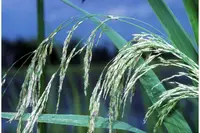
Giant cutgrass (Zizaniopsis miliacea) is a robust, tall wetland grass native to the southeastern United States and parts of Central and South America. It typically forms dense clumps with broad, sharp-edged leaves and upright stems that can create an almost reed-like stand.
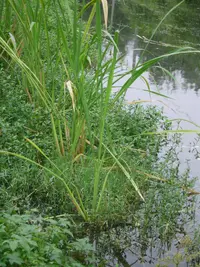
This species thrives along pond margins, ditches, marshes, and other consistently wet sites, where its strong rhizomes help stabilize soil. It is vigorous and can spread quickly, which makes it useful for erosion control but requires management in small spaces. For those who want to know how to care for giant cutgrass, it generally prefers full sun, constant moisture, and nutrient-rich, heavy soils.

Care Difficulty
Moderate Care

Light Preference
Full Sun

Water Requirements
Aquatic

Temperature Preference
Warm Climate

Hardiness Zone
6–11

Soil Texture
Sandy, Loamy, Organic-rich

Soil pH
Acidic (5.5–6.5), Slightly acidic (6.5–7.0)

Soil Drainage
Waterlogged tolerant

Fertilization
Minimal (feed rarely)
Scan your plant to receive care tips personalized for your specific plant
Available on iOS and Android
This wetland grass prefers strong light and thrives in open, exposed sites.
This species is adapted to consistently wet conditions and does best with saturated substrates.
This warm-temperate wetland grass prefers mild to hot conditions and reacts strongly to frost.
This wetland grass prefers very moist air but usually adapts to typical outdoor humidity if roots stay saturated.
This emergent aquatic grass thrives in saturated, organic-rich substrates rather than conventional garden soil.
This species can be grown in large containers if the setup mimics a shallow, permanently flooded edge habitat.
Zizaniopsis miliacea benefits from modest fertilization in nutrient-poor sites but often grows well in naturally rich, wet soils.
Pruning Zizaniopsis miliacea is mainly cosmetic and used to manage size, remove damaged tissue, and maintain stand health.
This species is usually grown in the ground or ponds, so focus on dividing and transplanting clumps rather than frequent repotting.
Zizaniopsis miliacea is commonly propagated by division, with seed used mainly in habitat restoration projects.
This warm-temperate grass is fairly cold hardy in much of its range and usually needs minimal winter care in the ground.

Plant Health Check
Not sure what's wrong with your plant? Check your plant's health inside the app.
This species is native to freshwater and brackish marshes of the southeastern United States and can form dense, nearly monospecific stands along slow-moving rivers, bayous, and lake margins.
It spreads primarily through thick, creeping rhizomes (underground stems), which allow a single genetic individual to occupy large patches and stabilize soft, mucky substrates.
Its tall, rigid culms and dense leaf bases provide nesting and cover sites for rails, bitterns, and other secretive marsh birds in low-lying coastal and riverine wetlands.

This grass is so tolerant of fluctuating water levels that it can persist in sites exposed to both periodic flooding and moderate salinity, making it an important structural species in storm-impacted Gulf Coast marshes.
Yellowing often results from low nutrients, especially nitrogen, or from water stress. In soggy sites, roots lack oxygen and foliage yellows. In drier soil, irregular watering and competition from nearby plants can also cause chlorosis and thinning.
Keep your plants happy and healthy with plant identification, disease detection, and easy care guidance.