Sedge Care (Carex oshimensis EverColor® Everillo)

About Sedge

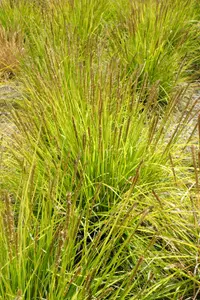
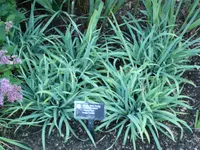
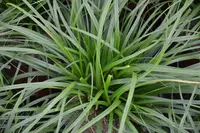
Carex oshimensis EverColor® Everillo is an ornamental sedge grown mainly for its bright chartreuse to golden-yellow foliage. It forms a compact, arching clump that adds color and texture year-round. Native to Japan, this cultivar is selected for garden and container use rather than wild habitats.

The narrow, grass-like leaves create a soft, cascading effect that contrasts well with darker plants. Its evergreen habit in mild climates makes it useful for structure and edging.

This sedge is considered easy to grow, as it tolerates a range of garden conditions and requires minimal pruning. Understanding how to care for Sedge becomes simpler once its preference for consistent moisture, partial shade, and well-drained soil is known.

Main Plant Requirements

Care Difficulty

Easy Care

Light Preference

Partial Shade

Water Requirements

Regular Water

Temperature Preference

Cold Hardy

Hardiness Zone

5–9

Soil Texture

Loamy, Sandy, Organic-rich

Soil pH

Acidic (5.5–6.5), Slightly acidic (6.5–7.0)

Soil Drainage

Moist but well-drained

Fertilization

Minimal (feed rarely)

Get Personalized Care Plan

Scan your plant to receive care tips personalized for your specific plant

Available on iOS and Android

How to Care for the Sedge

Carex oshimensis EverColor® Everillo prefers bright but gentle outdoor light to keep its chartreuse foliage vibrant.

  • Provide 3–5 hours of morning sun with light or dappled shade from midday onward to prevent leaf scorch.
  • In hot summers, protect from strong afternoon sun; foliage tips may brown if exposed to intense sun for many hours.
  • This Sedge tolerates partial to full shade, but in deep shade (under 2 hours of indirect light) foliage may become duller and less dense.

This grass-like perennial prefers evenly moist soil that never stays soggy.

  • Water when the top 2–4 cm of soil feels just barely dry, aiming for consistently damp but not saturated soil around the root zone.
  • In spring and summer, monitor moisture more often; in cool or rainy seasons, extend intervals to avoid standing water, especially in heavier clay soils.
  • Yellowing, limp leaves and a sour soil smell suggest overwatering, while dry, browning tips and soil pulling from the edges indicate underwatering for Carex oshimensis EverColor® Everillo.

This evergreen sedge handles a wide temperature range but grows best in mild conditions.

  • Active growth is strongest around 55–75°F (13–24°C), with steady color and foliage density in these temperatures.
  • Mature plants tolerate down to about 0°F (-18°C) with mulch protection; repeated hard freezes below this can damage foliage, though crowns often resprout in spring.
  • In summer heat above 85°F (29°C), provide afternoon shade and consistent soil moisture to limit stress and tip scorch, especially in exposed sites.

This ornamental sedge handles a wide humidity range but benefits from moderately moist air.

  • Aim for 40–60% humidity, similar to most homes and shaded outdoor spots.
  • Tolerates short dry spells, but prolonged very dry air can cause browning tips and crisp leaf edges.
  • Increase humidity by grouping plants, placing containers near other foliage, or using a pebble tray under, not touching, the pot.

This plant prefers moist, free-draining, organic-rich soil that does not stay waterlogged.

  • Use a loamy mix with 40–60% composted organic matter blended with garden soil or potting mix for structure.
  • Ensure drainage by incorporating materials like fine bark, grit, or perlite so water moves through but the root zone stays evenly moist.
  • Aim for slightly acidic to neutral pH around 6.0–7.0, which supports nutrient uptake for Carex oshimensis EverColor® Everillo.
  • Avoid heavy, compacted clay or sites where water pools after rain, as saturated conditions promote root rot and weak growth.

This sedge is well suited to container growing on patios, balconies, and shaded entrances.

  • Choose a wide, low container to accommodate its arching, spreading habit and prevent the clump from becoming top-heavy in wind.
  • Select a pot material that matches your climate, such as thicker ceramic for slower drying or plastic for lighter, easier-to-move planters.
  • Elevate the container slightly on feet or pot risers so drainage holes stay clear and runoff does not re-soak the root zone.

This ornamental sedge benefits from light, consistent feeding during the growing season.

  • Apply a balanced slow-release fertilizer (around 10-10-10) in early spring, following label rates for ornamental grasses.
  • Supplement with a light top-dressing of compost around the root zone once in spring to support soil structure and nutrients.
  • Use half-strength balanced liquid feed every 4–6 weeks in containers during active growth, avoiding waterlogged soil.
  • Stop feeding Carex oshimensis EverColor® Everillo in late summer so new growth hardens before cold weather.

Pruning focuses on tidying foliage and maintaining a dense, arching clump.

  • Cut back tired or winter-damaged leaves in late winter or very early spring before strong new growth appears.
  • Remove dead, broken, or badly spotted blades at the base through the year to reduce disease risk and improve appearance.
  • Thin out congested tufts by snipping selected fans at the base to keep an open, graceful form.
  • Use clean, sharp hand pruners or shears and disinfect blades if working around diseased tissue on Carex oshimensis EverColor® Everillo.

This grassy perennial is usually transplanted in the landscape and only occasionally grown in containers.

  • Plan transplanting for early spring or early fall when temperatures are mild and soil is workable.
  • Look for tight, overfilled clumps, slow growth, or roots circling the container drainage holes as signs it needs more space.
  • Lift the plant with a generous root ball, keep roots shaded and moist, and replant at the same depth in well-drained soil.
  • Water thoroughly after transplanting, then keep soil evenly moist for 2–3 weeks to limit root stress and help re-establishment.

Division is the standard method for increasing Carex oshimensis EverColor® Everillo while maintaining its variegated foliage.

  • Divide established clumps in early spring or early fall when temperatures are moderate and soil remains moist.
  • Lift the parent clump and split it into smaller sections using a sharp knife or spade, ensuring each division has healthy roots and shoots.
  • Replant divisions immediately at the original depth in well-drained, humus-rich soil and water thoroughly.
  • Keep new divisions evenly moist and lightly mulched until strong new growth appears, then resume normal Sedge indoor care if container-grown.

This sedge is generally cold hardy but benefits from simple winter preparation, especially in containers.

  • In-ground plants tolerate light to moderate frost once established, particularly in USDA zones suited to this species.
  • Apply a 3–5 cm mulch layer around the root zone in late fall, keeping it slightly away from the plant crown.
  • Move containers to a sheltered, unheated spot such as a cold frame, porch, or against a protected wall in colder regions.

Care Tips

Shear For Renewal

Shear the foliage back by about one-third in late winter before new growth starts to quickly refresh the clump and keep the chartreuse color strong for the coming season.

Divide To Maintain

Lift and divide congested clumps every 3–4 years in early spring, replanting vigorous outer sections at the same depth to prevent center die-out and maintain a dense, tidy mound.

Edge And Contain

In borders or near paths, install a shallow root barrier or edging strip 5–8 cm deep to keep the plant from drifting into lawns or paving while still allowing natural arching form.

Use Mulch Strategically

Apply a 2–3 cm layer of fine bark mulch around but not over the crown to reduce weed pressure and soil splash, which in turn helps prevent foliar spotting and crown rot in wet periods.

Rotate Container Position

For container specimens, rotate the pot a quarter turn every 2–3 weeks during the growing season so the arching leaves fill out evenly and avoid leaning toward a single light source, which supports balanced growing Sedge habits.

Common Pests and Diseases

Rust

This disease causes orange to brown powdery pustules on leaf surfaces, often leading to premature browning and thinning of the clump.

Solution

Remove and discard affected leaves, then thin crowded clumps to improve airflow and reduce leaf wetness duration; if rust recurs, apply a labeled fungicide for ornamental grasses during periods of warm, humid weather and avoid overhead watering late in the day.

Leaf spot

This disease produces small water-soaked lesions that turn tan to dark brown with possible yellow halos, giving the foliage a speckled or scorched appearance.

Solution

Cut back and dispose of heavily marked foliage, water at soil level to keep blades dry, and improve spacing; in persistent cases, use a suitable ornamental grass fungicide preventively in spring when new growth emerges as part of broader Sedge care instructions.

Aphids

These insects cluster on young shoots and leaf bases, sucking sap and sometimes leaving sticky honeydew that can lead to sooty mold on the foliage.

Solution

Spray foliage thoroughly with a firm stream of water to dislodge colonies, then follow with applications of insecticidal soap or horticultural oil, making sure to reach the leaf bases and undersides; reduce excessive nitrogen fertilization, which can encourage soft, aphid-prone growth.

Slugs and snails

These pests chew irregular holes and notches along leaf edges, often leaving slime trails on or near damaged foliage, especially in damp, shaded sites.

Solution

Hand-pick at night or in the early morning, use slug traps or iron phosphate bait around plant bases, and reduce hiding spots by removing thick debris and keeping mulch thin and slightly back from the crown.

Spider mites

These insects are tiny sap-feeders that can cause fine stippling, dulling, or bronzing of foliage, sometimes with delicate webbing in dense clumps during hot, dry weather.

Solution

Rinse foliage thoroughly with water to knock mites off, increase humidity around the plant, and repeat washes every few days; for heavier infestations, use insecticidal soap or horticultural oil, applied carefully to both leaf surfaces and into the center of the tuft.

Interesting Facts

Stable chartreuse color

This cultivar was selected for its consistent lime to chartreuse foliage that keeps its color through summer and winter in mild climates, rather than fading to dull green like many sedges.

Clumping, not running

Unlike several other Carex species that spread aggressively by rhizomes, this plant forms a tight, slowly enlarging clump, which makes it more predictable in small gardens and containers.

Evergreen in mild climates

In many temperate regions, its foliage remains evergreen or semi-evergreen, so it continues to provide color and texture when many herbaceous perennials have died back.

FAQs about Sedge

This cultivar is evergreen in most mild climates, holding its bright chartreuse blades through winter. In very cold areas, foliage can burn or thin, but new growth usually refreshes the clump in spring.

Grow Healthy Plants with Botan Care

Keep your plants happy and healthy with plant identification, disease detection, and easy care guidance.

Botan plant care app — identify plants on mobile

Explore More Plants