Establish wide colonies
When seedlings are 10–15 cm tall, transplant or divide clumps 30–45 cm apart in staggered rows to create a dense stand that better supports itself and suppresses weeds.

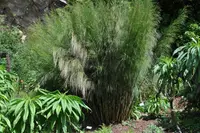
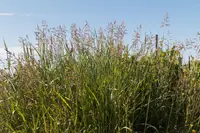
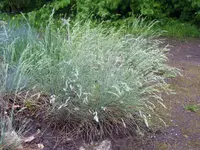
Purpletop tridens (Tridens flavus) is a warm-season perennial bunchgrass native to eastern and central North America. It typically forms upright clumps with airy, purplish seed heads that give the plant its common name.
In natural habitats it is found in open fields, roadsides, prairies, and sunny slopes, where it tolerates poor, dry soils and summer heat. Once established, it is generally low-maintenance and competes well with weeds.
Gardeners often use it in native meadows, erosion-control plantings, and wildlife-friendly landscapes. It prefers full sun, moderately dry to average moisture, and well-drained soil, which simplifies how to care for purpletop tridens in most temperate gardens.

Care Difficulty
Easy Care

Light Preference
Full Sun

Water Requirements
Moderate Water

Temperature Preference
Cold Hardy

Hardiness Zone
3–9

Soil Texture
Sandy, Loamy, Clay

Soil pH
Acidic (5.5–6.5), Slightly acidic (6.5–7.0)

Soil Drainage
Moist but well-drained

Fertilization
Minimal (feed rarely)
Scan your plant to receive care tips personalized for your specific plant
Available on iOS and Android
This warm-season grass prefers open, bright sites for strongest growth and flowering.
This species prefers moderately dry to average moisture once established in the landscape.
This warm-season perennial grass thrives in hot summers and survives typical outdoor winters in much of its native range.
Humidity is not a significant factor for Tridens flavus, which thrives in typical outdoor air conditions.
This warm-season grass prefers well-structured, free-draining mineral soils that prevent waterlogging.
This species can be grown in containers if the pot is adapted to its tall, clumping habit.
This native warm-season grass needs only light feeding in average garden soil, so fertilization for purpletop tridens is modest.
Pruning for Tridens flavus is simple and mainly helps maintain a tidy clump and manage self-seeding.
Most gardeners grow this grass in the ground, so care focuses on transplanting clumps rather than repotting containers.
Tridens flavus is most often propagated by seed, with division of mature clumps as a secondary method.
This warm-season, deciduous grass is generally cold hardy in its range and needs minimal winter care.

Plant Health Check
Not sure what's wrong with your plant? Check your plant's health inside the app.
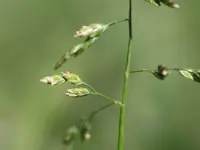
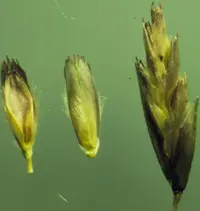
The ripe spikelets of this species turn a distinctive dull purple, which makes seed heads highly visible in late summer and gives rise to the common name purpletop.
Its grains are coated with a natural oily layer, which can make them slightly sticky and may aid in dispersal when the seeds cling to animal fur or fall from passing vehicles.
Purpletop forms deep, fibrous roots and tolerates dry, compacted soils, so it commonly establishes along roadsides, in old fields, and in other disturbed open habitats across eastern North America.

Purpletop is a frequent host plant for several grass-feeding leafhoppers and other insects in meadow ecosystems, so dense stands can support diverse insect communities that in turn provide food for birds and small mammals.
This warm-season grass self-seeds and can form loose colonies, but it is not usually aggressive. It spreads slowly compared with many ornamental grasses and is generally manageable with normal garden maintenance and occasional thinning of crowded clumps.
Keep your plants happy and healthy with plant identification, disease detection, and easy care guidance.