Thatch management
Inspect the lawn surface yearly and mechanically dethatch only when the thatch layer exceeds about 1.5 cm, since light thatch actually protects the turf and aggressive annual dethatching can weaken Manila grass stands.

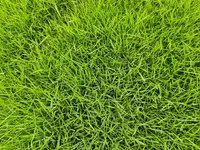
Manila grass, Zoysia matrella, is a fine-textured warm-season turf grass valued for its dense, carpet-like growth. It forms low, tight mats that handle light foot traffic well. Leaves are narrow and soft, giving lawns a smooth, even look.
This species is native to coastal areas of Southeast Asia and the Pacific, where it grows in sandy, often salty soils. It tolerates heat, drought, and some salt, which makes it suitable for warm climates but slower to establish from sod or plugs.
It prefers full sun, well-drained soil, and moderate moisture. These traits make it fairly low maintenance once established, as long as you understand how to care for Manila grass in your climate.

Care Difficulty
Moderate Care

Light Preference
Full Sun

Water Requirements
Moderate Water

Temperature Preference
Warm Climate

Hardiness Zone
7–11

Soil Texture
Sandy, Loamy, Clay

Soil pH
Acidic (5.5–6.5), Slightly acidic (6.5–7.0)

Soil Drainage
Well-drained

Fertilization
Light (every 4–6 weeks)
Scan your plant to receive care tips personalized for your specific plant
Available on iOS and Android
Zoysia matrella forms its densest, healthiest turf when provided with consistent, direct sun across the growing season.
Zoysia matrella prefers deep, infrequent watering that encourages strong, drought-tolerant roots.
This warm-season lawn grass grows best in consistently warm conditions and slows sharply in cool weather.
Humidity is not a major factor for Zoysia matrella in typical outdoor lawn conditions.
Soil for Zoysia matrella should be well-drained, moderately fertile, and slightly acidic to neutral.
This warm-season turf species can be grown in containers, though it is better suited to ground planting for most lawns.
Zoysia matrella benefits from light, planned feeding to maintain dense, healthy turf.
Zoysia matrella responds best to height control through mowing rather than traditional pruning.
This grass is usually grown as turf, so care focuses on transplanting plugs or sod rather than container repotting.
Zoysia matrella is most reliably propagated vegetatively for uniform, dense lawns.
This warm-season grass has good heat tolerance but enters dormancy and turns brown in cool winters, with moderate cold sensitivity.

Plant Health Check
Not sure what's wrong with your plant? Check your plant's health inside the app.
This species naturally forms dense, fine-textured turf on sandy seashores across tropical and subtropical Asia and the Pacific, showing strong adaptation to saline, nutrient-poor coastal soils.
It tolerates regular salt spray and occasional seawater overwash better than many other turfgrasses, which is why it often dominates natural beach fringe grasslands and seaside lawns.
It spreads mainly by slender above-ground stems called stolons, creating a tight, carpet-like sod, but the growth rate is slow compared to many warm-season grasses, which contributes to its durability and low thatch production under moderate use.

This species was an important parent in the development of several modern hybrid zoysiagrass cultivars used on premium golf courses and sports fields, where its fine leaf texture and high salt tolerance are combined with traits like improved cold hardiness from related species.
Yellowing often results from nutrient deficiency, compacted soil, or poor drainage leading to root stress. Excessive shade, scalp mowing, or past drought can also cause pale leaves. Check soil fertility, aeration, and mowing height before adjusting watering.
Keep your plants happy and healthy with plant identification, disease detection, and easy care guidance.