Division for Renewal
Lift and divide clumps every 3–5 years in early spring, replanting vigorous outer sections at the same depth to keep stands dense and reduce die-out in the center.

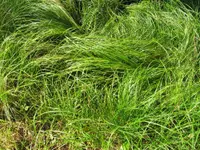
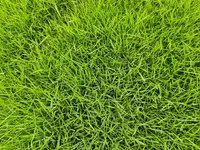
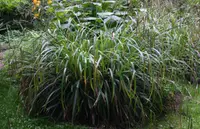
Pennsylvania sedge, Carex pensylvanica, is a fine-textured, clumping sedge commonly used as a low-growing groundcover. It forms soft, arching tufts that resemble delicate woodland grass.
This species is native to dry open woods and forest edges in eastern North America, where it naturally weaves between tree roots and leaf litter. Its slow, spreading growth and modest height make it suitable for naturalistic plantings and lawns with light foot traffic.
It is generally considered easy to grow when matched with its preferred conditions. To care for Pennsylvania sedge, provide dappled light, well-drained soil, and consistent but not excessive moisture, especially during establishment.

Care Difficulty
Easy Care

Light Preference
Partial Shade

Water Requirements
Moderate Water

Temperature Preference
Cold Hardy

Hardiness Zone
3–8

Soil Texture
Sandy, Loamy, Organic-rich

Soil pH
Acidic (5.5–6.5), Slightly acidic (6.5–7.0)

Soil Drainage
Moist but well-drained

Fertilization
Minimal (feed rarely)
Scan your plant to receive care tips personalized for your specific plant
Available on iOS and Android
This woodland sedge prefers bright, dappled conditions that mimic an open forest edge.
This sedge prefers steadily moist but not saturated soil, especially during establishment.
This cool-season sedge thrives in moderate climates and tolerates substantial winter cold.
This species is adapted to outdoor conditions and humidity is rarely a limiting factor in most temperate gardens.
Carex pensylvanica prefers loose, humus-rich soil that holds moisture but never stays waterlogged.
This sedge can grow well in containers outdoors when moisture and space for its spreading roots are managed carefully.
This native sedge thrives in lean soils and usually needs minimal feeding in gardens or naturalized plantings.
Carex pensylvanica benefits from light, periodic pruning to maintain a tidy, healthy clump.
This sedge is more often transplanted in the landscape than repotted, since it is usually grown as a groundcover.
Carex pensylvanica is commonly propagated by division, which maintains the characteristics of the original plant.
This cold-hardy sedge needs little special winter care in most temperate climates.

Plant Health Check
Not sure what's wrong with your plant? Check your plant's health inside the app.
This sedge naturally forms loose, fine-textured colonies in dry open woods and oak savannas, where it acts as a living mulch that protects soil from erosion and moderates surface temperature.
It initiates most of its growth in cool spring conditions, then slows down in summer heat, which allows it to stay relatively drought-tolerant compared with many shade grasses.
Its foliage hosts larvae of several specialist moths and other invertebrates, making it a valuable component of Midwestern and Northeastern forest understories for biodiversity.

Genetic and field studies show that this species spreads primarily through short rhizomes to form clonal patches, so a large drift in the wild or in gardens is often a single genetically identical plant that has slowly expanded over many years.
This species is semi-evergreen in many temperate regions. Foliage often stays green through mild winters but can brown or thin in harsher cold. Light spring cleanup of dead blades restores a fresh appearance each year.
Keep your plants happy and healthy with plant identification, disease detection, and easy care guidance.