Toetoe kiwi Care (Gahnia lacera)

Also known as: Cutty grass
Toetoe kiwi

About Toetoe kiwi

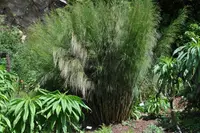
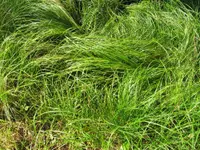
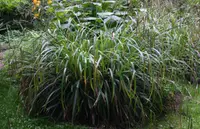
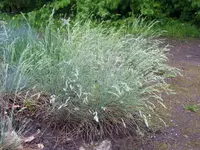
Toetoe kiwi, Gahnia lacera, is a dense, clumping sedge native to New Zealand, often found in swampy ground, stream edges, and wet forest margins. It forms upright tussocks with narrow, arching, often sharp-edged leaves that create a coarse, architectural look in the landscape.

This species is adapted to consistently moist, even boggy soils and prefers cool to mild conditions with good light but some shelter from harsh drying winds. It is generally robust once settled, but its need for steady moisture and space for its clumps means it suits more naturalistic or wild-style plantings. Understanding these traits helps guide how to care for Toetoe kiwi in gardens or restoration projects.

Main Plant Requirements

Care Difficulty

Moderate Care

Light Preference

Partial Shade

Water Requirements

Keep Soil Moist

Temperature Preference

Warm Climate

Hardiness Zone

9–11

Soil Texture

Loamy, Silty, Organic-rich

Soil pH

Acidic (5.5–6.5), Slightly acidic (6.5–7.0)

Soil Drainage

Moist but well-drained

Fertilization

Minimal (feed rarely)

Get Personalized Care Plan

Scan your plant to receive care tips personalized for your specific plant

Available on iOS and Android

How to Care for the Toetoe kiwi

This sedge prefers consistent outdoor light that mimics open, damp habitats.

  • Provide 4–6 hours of sun daily with morning sun and light afternoon shade; coastal cloud cover is usually suitable.
  • Tolerates bright partial shade, but in deep shade clumps thin out and leaves lose vigor, especially compared with sun-exposed Toetoe kiwi plantings nearby.
  • In hot summers, protect from intense afternoon sun to reduce leaf scorch; in winter, ensure plants are not shaded by overgrown shrubs so they still receive low-angle light.

This species prefers moist to wet conditions and does poorly if soil fluctuates between extremes.

  • Maintain soil consistently moist, allowing only the top 1–2 cm to start drying before the next soak in typical garden loam.
  • In winter and cool, rainy periods, rely more on natural rainfall and only irrigate if leaf tips brown and soil feels dry a few cm down.
  • Watch for stress signs: underwatering leads to rolling or crisping leaf tips, while overwatering with poor drainage causes yellowing, limp foliage, and sour-smelling soil around Gahnia lacera clumps.

This grass-like sedge is adapted to mild, temperate climates with cool, moist conditions.

  • Best growth occurs around 55–70°F (13–21°C), where foliage remains dense and new shoots emerge steadily through the growing season.
  • Mature plants tolerate brief drops to about 25°F (-4°C); below this, foliage may burn, though roots often reshoot if soil is not deeply frozen.
  • Handles summer heat up to about 85–90°F (29–32°C) if soil stays moist; prolonged heat with dry winds increases leaf tip scorch and may stall growth until cooler weather returns.

This sedge tolerates a wide humidity range but grows best with moderate moisture in the air.

  • Aim for 40–60% humidity, which is typical of many temperate outdoor environments.
  • Leaves curling, browning tips, or slow growth can signal stress from very dry or hot, windy air.
  • In exposed spots, increase local humidity by mulching the soil heavily and sheltering plants from drying winds when possible.

This species prefers consistently moist, organic-rich soil with reliable structure and drainage.

  • Use a mix of 50–70% loam with generous compost and a small amount of coarse sand to keep pores open for root aeration.
  • Soil should drain slowly but not stay waterlogged; standing water for more than a few hours around the crown increases rot risk.
  • Aim for slightly acidic to neutral conditions, roughly pH 5.5–7.0, which suits most typical garden loams.
  • In heavier clay, incorporate coarse sand and fine bark to improve structure before planting Gahnia lacera.

This sedge can be grown in containers if the pot is deep and moisture-retentive yet well drained.

  • Select a tall, heavy container to stabilise the dense, tufted foliage against wind and prevent tipping.
  • Fill the pot with a loam-based mix that holds moisture but includes coarse sand or fine bark so excess water can move downwards.
  • Raise the container slightly on feet or bricks so drainage holes stay clear and water does not pool under the base, which benefits caring for Toetoe kiwi as well.

Gahnia lacera is a tough native sedge that grows satisfactorily in lean soils but benefits from light, occasional feeding in poor sites.

  • Apply a light top-dressing of compost in early spring to improve soil structure and slow nutrient release.
  • Use a balanced slow-release fertilizer (around 10-10-10) at 1/2 strength once at the start of the growing season if growth seems weak.
  • Avoid summer overfeeding; excess nitrogen can cause floppy foliage and reduce tolerance to stress compared to Toetoe kiwi.
  • Do not feed in winter or dormancy, as low temperatures and short days limit nutrient uptake and increase salt buildup risk.

Gahnia lacera needs only light pruning to keep the clump tidy and remove old growth.

  • Cut back dead or badly damaged leaves at the base in late winter or very early spring before strong new growth starts.
  • Use clean, sharp hand pruners or shears to avoid frayed leaf edges and reduce infection risk.
  • Thin out a few crowded, older shoots from the center of dense clumps to maintain airflow and a balanced shape.
  • Leave healthy green foliage intact, since heavy cutting can temporarily slow growth and reduce screening value.

This sedge is usually grown in the ground; transplant only when necessary to reduce disturbance to its fibrous root system.

  • Plan transplanting for early spring or early autumn, when temperatures are mild and soil moisture is consistent.
  • Look for signs such as tight, crowded clumps, bare centers, or roots circling a container if grown in a pot.
  • Lift the plant with a wide root ball, keeping roots as intact as possible, and replant at the same depth in well-drained soil.
  • Water thoroughly after planting, then keep soil evenly moist for several weeks to limit transplant shock and support new root growth.

This species is usually increased by division, as seed propagation of Gahnia lacera is slow and less predictable.

  • Divide mature clumps in early spring or early autumn, when conditions are cool and soil moisture is reliable.
  • Use a sharp spade or knife to split the clump into sections, each with healthy roots and several shoots.
  • Replant divisions immediately at the original soil depth, firming soil around roots and watering well.
  • Grow divisions in evenly moist, well-drained soil and light shade until established, then transition to the desired site.

This sedge is generally cold hardy in mild, frost-free to light-frost climates and usually needs minimal winter care.

  • In areas with occasional frost, apply a 5–8 cm mulch around the root zone to buffer soil temperature swings.
  • Leave most foliage standing over winter to shield the crown; remove only clearly dead or collapsed leaves.
  • For container plants in colder regions, move pots to a sheltered, unheated but frost-free spot with good light.

Care Tips

Wind-firm establishment

In exposed or coastal sites, install low, sturdy stakes and a soft tie around the base clump for the first 12–18 months to help the plant root in deeply and resist wind rock that can loosen new plantings.

Weed-suppressing mulch

Apply a 5–8 cm layer of coarse organic mulch around but not touching the crown to suppress competing grasses and weeds, which allows this sedge to form a dense, healthy clump.

Runoff capture swale

On sloping ground, plant just below a shallow swale or in a slight depression so the root zone can intercept and use extra runoff, which mimics its natural preference for periodically moist ground.

Clump division timing

If rejuvenating an old stand, divide and replant only during cool, moist seasons, then trim foliage by about one-third to reduce stress and improve re-establishment of each division.

Wildlife-friendly spacing

Space plants in small groups with 40–60 cm between clumps to create dense cover for lizards and insects, which also helps stabilize soil and reduces maintenance compared with scattered single plants when growing Toetoe kiwi.

Common Pests and Diseases

Scale insects

These insects attach to leaves and stems, sucking sap and causing yellowing, stunting, and sooty mold growth on the foliage.

Solution

Prune out heavily infested clumps, then wipe or gently scrub accessible stems and leaf bases with a cloth or soft brush dipped in diluted insecticidal soap or horticultural oil; repeat every 7–10 days until new growth appears clean and encourage strong growth with adequate light and soil moisture so the plant can better tolerate minor infestations.

Caterpillar leaf damage

This pest feeds on the tough, strap-like leaves, leaving notched edges, irregular holes, or shredded leaf tips, especially on young fans.

Solution

Hand-pick caterpillars in the evening or early morning and remove heavily chewed foliage; where damage is persistent, use a targeted biological control such as a Bacillus thuringiensis (Bt) product applied to the foliage according to label directions, focusing on new growth where feeding is most active.

Leaf spot fungus

This disease causes small brown or dark purple spots on leaves that can enlarge, merge, and lead to premature leaf dieback in dense, humid plantings.

Solution

Cut and dispose of affected leaves and any dead material around the plant, then improve airflow by thinning crowded clumps and avoiding overhead watering; in high-value plantings with repeated outbreaks, a registered fungicide for ornamental grasses and sedges can be applied preventively in moist, warm conditions.

Rust

This disease produces orange to brown powdery pustules on the undersides of leaves, sometimes causing yellow patches and early leaf drop.

Solution

Remove and discard infected leaves and any heavily affected clumps to reduce spore levels, then maintain an open planting with good air movement and water at soil level; in nurseries or repeated landscape outbreaks, use an appropriate rust-labeled fungicide on new and existing foliage at the first sign of symptoms as part of broader Gahnia lacera plant care.

Interesting Facts

New Zealand endemic sedge

Gahnia lacera is naturally found only in New Zealand, where it grows in lowland and coastal forest margins, shrublands, and damp gullies, especially in the North Island and northern South Island.

Dense tussock architecture

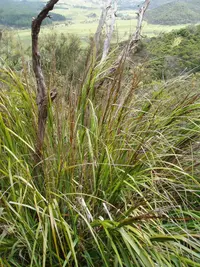
This species forms large, stiff, tussock-like clumps with sharply edged leaves that create a sheltered microhabitat for invertebrates and small ground-dwelling animals.

Food source for skinks

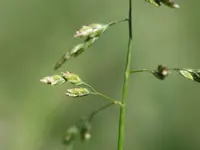
The seed heads and the invertebrates that live around Gahnia lacera provide foraging habitat for native skinks, which often hunt among its dense leaf bases and litter.

Botan icon

Did you know?

In ecological restoration projects in northern New Zealand, Gahnia lacera is deliberately planted to help rebuild structurally complex understorey layers, because its large, long-lived clumps stabilize soil, trap leaf litter, and recreate habitat conditions similar to those of intact native forest margins.

FAQs about Toetoe kiwi

This sedge forms dense clumps and can slowly expand via short rhizomes, but it is not usually aggressively spreading. In typical garden settings, edging, mulching, and occasional division keep its growth well contained.

Grow Healthy Plants with Botan Care

Keep your plants happy and healthy with plant identification, disease detection, and easy care guidance.


Botan plant care app — identify plants on mobile

Explore More Plants