water lettuce Care (Pistia stratiotes)

Also known as: shellflower, Nile cabbage, water cabbage, Nile Lettuce
water lettuce

About water lettuce

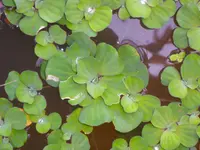
Water lettuce, Pistia stratiotes, is a free-floating aquatic plant often used in ponds and water gardens. It forms loose rosettes of pale green, softly ribbed leaves with long, feathery roots hanging below the water surface.

This plant occurs naturally in warm, slow-moving or still waters in tropical and subtropical regions. It spreads quickly by producing small offshoots, so it can cover water surfaces if not managed.

Water lettuce prefers calm water, bright light, and nutrient-rich conditions, which makes it relatively easy to maintain in suitable climates. Understanding how to care for water lettuce helps prevent overcrowding and keeps both plant and water quality in balance.

Main Plant Requirements

Care Difficulty

Moderate Care

Light Preference

Partial Sun

Water Requirements

Aquatic

Temperature Preference

Tropical / Frost Sensitive

Hardiness Zone

9–11

Soil Texture

Organic-rich, Silty

Soil pH

Acidic (5.5–6.5), Slightly acidic (6.5–7.0)

Soil Drainage

Waterlogged tolerant

Fertilization

Light (every 4–6 weeks)

Get Personalized Care Plan

Scan your plant to receive care tips personalized for your specific plant

Available on iOS and Android

How to Care for the water lettuce

This floating aquatic prefers bright, gentle light rather than intense, all-day sun.

  • Provide 4–6 hours of morning sun or bright filtered light; avoid harsh afternoon sun that can scorch rosettes and bleach leaves.
  • Allow partial shade for the rest of the day; water lettuce forms tighter, healthier heads when shielded from midday intensity.
  • In summer, increase shade cloth or use taller plants for dappled cover; in cooler seasons, give more open exposure to maintain compact, non-leggy growth.

This species floats and absorbs moisture directly, so focus on stable, clean water conditions rather than soil moisture.

  • Maintain water depth so roots stay fully submerged, with gentle surface movement but no strong currents that tear roots or flip plants.
  • Use nutrient-balanced, not stagnant, water; yellowing, limp leaves may indicate poor water quality or nutrient deficiency, while black, mushy bases suggest rot.
  • In warm months, monitor more often as evaporation concentrates waste; in cooler periods, reduce nutrient input to avoid algal blooms that compete with Pistia stratiotes.

This tropical floater grows best in warm, stable water and is very sensitive to cold.

  • Aim for 72–86°F (22–30°C) water for strongest growth; cooler water slows metabolism and leaf production.
  • Protect from temperatures below 59°F (15°C); brief drops near 50°F (10°C) can cause leaf collapse, and any frost usually kills plants outright.
  • In hot weather above 90°F (32°C), increase shade and surface water movement to prevent overheating stress and rapid leaf yellowing.

This floating aquatic needs very high ambient humidity, typically 70–100%, supported by constant water contact.

  • Water lettuce tolerates brief dips below 70% air humidity only if water temperature and surface coverage stay stable.
  • Brown, crisp leaf edges and stalled rosette growth indicate humidity or water-surface drying stress.
  • Increase humidity by covering part of the pond or tub with a mesh lid or greenhouse lid that traps moisture while allowing airflow.

This species is free-floating and does not root in soil under normal cultivation.

  • Avoid planting Pistia stratiotes in potting mix, sand, gravel, or garden beds, since buried crowns rot and plants lose buoyancy.
  • If used in lined ponds or tubs, provide a 2–5 cm layer of nutrient-rich muck or aquatic substrate only on the bottom for microbes, not as rooting soil.
  • Keep water slow-moving and clear above any substrate so roots can hang freely and access oxygen at the water surface.
  • Maintain slightly acidic to neutral water (roughly pH 6.5–7.5) rather than adjusting any soil mix, because nutrient and gas exchange occurs directly through roots in water.

This floating plant is suitable for containers as long as the water body is stable and open at the surface.

  • Choose wide, shallow tubs or ponds so rosettes can spread laterally without shading each other out.
  • Use dark, heavy containers outdoors to reduce tipping from wind and to buffer rapid water temperature swings.
  • Leave at least 5–10 cm of freeboard above the waterline to prevent plants washing over the rim during rain or splashing.

Pistia stratiotes in ponds or aquariums usually needs only light fertilization because it absorbs abundant nutrients from the water.

  • If growth is pale or stunted, use a balanced aquatic NPK fertilizer at 1/4–1/2 label strength.
  • Feed every 3–4 weeks during warm, active growth when nutrients are low, monitoring algae.
  • Avoid manure or heavy compost that clouds water or spikes ammonia and nitrate.
  • Stop adding fertilizer in winter or dormancy, when plants grow slowly and use fewer nutrients.

Pruning helps maintain healthy, contained Pistia stratiotes colonies and stable water quality.

  • Thin crowded rosettes during the warm growing season to keep a mostly single layer on the surface.
  • Remove yellow, damaged, or decaying leaves to limit rot and nutrient spikes in the water.
  • Skim out excess plants with a small net or hand scoop, focusing on larger outer rosettes first.
  • Use clean tools or gloved hands, and discard removed material so it cannot invade natural waterways.

This free‑floating species is rarely repotted but may be transplanted between containers or ponds to manage density and growth.

  • Transplant when plants cover most of the surface, growth slows, or rosettes crowd and shade each other heavily.
  • Best timing is late spring to summer, once water temperatures are consistently warm and frost risk has passed.
  • Every 1–2 seasons, thin and move vigorous rosettes to new tubs or sections with calm, nutrient‑rich water.
  • Handle by the base of the rosette, avoid crushing roots, and place plants gently on the surface to reduce stress.

Pistia stratiotes plant care often involves managing rapid vegetative spread rather than intentionally increasing plant numbers.

  • Allow mother plants to send out stolons in warm seasons; daughter rosettes develop along these runners.
  • Once offsets have several leaves and healthy roots, detach them gently and place on still, nutrient‑rich water.
  • Maintain warm temperatures and bright, indirect light to support rapid rooting and expansion of new clumps.
  • Seed propagation is possible but uncommon in home settings because vegetative offsets are faster and more predictable.

This tropical aquatic is highly frost‑sensitive and needs active winter management in most temperate climates.

  • In regions below about 55–60°F in winter, overwinter selected plants indoors in a heated aquarium or tub.
  • Provide bright light and gently aerated, clean water to maintain small maintenance colonies until spring.
  • In mild climates, remove dead winter‑killed foliage promptly to maintain water quality and reduce decay.

Care Tips

Control Plant Density

Regularly thin out crowded rosettes so they do not mat together, which maintains water movement, reduces rot, and keeps leaf size and color vigorous when growing water lettuce.

Optimize Water Circulation

Use a gentle air stone or low-flow filter outlet to keep water slightly moving around but not splashing the foliage, which helps prevent stagnation, algae overgrowth, and root decay.

Shade Management

In outdoor ponds, add floating shade (such as water lilies or shade cloth) during peak summer sun to reduce leaf scorch and keep the rosettes more compact and healthy.

Nutrient Load Monitoring

Test pond or tank water for nitrate and phosphate every few weeks and remove or add plants in response, using the colony as a living filter without allowing excess nutrients to trigger heavy algae blooms.

Safe Overwinter Strategy

In cold climates, move a small group of healthy plants to an indoor tub with aquarium lighting before frost, so a clean, pest-checked stock is available for reintroduction in spring.

Common Pests and Diseases

Aphids

This pest feeds on the soft leaf surfaces and leaf bases, sucking sap and causing yellowing, curling, and stunted rosette growth. Symptoms include sticky honeydew on leaves and rapid crowding on young plants, especially in nutrient-rich ponds or tubs.

Solution

Physically rinse plants in a bucket or under a gentle hose stream, then discard the rinse water away from natural waterways. For persistent infestations, use a low-toxicity insecticidal soap labeled for aquatic or pond-edge use, applying outside the pond and rinsing thoroughly before returning the plants to protect fish and invertebrates.

Spider mites

These insects thrive on water lettuce grown in warm, dry air above the water surface, especially in indoor or greenhouse setups. Symptoms include fine speckling, dull or bronzed foliage, and very fine webbing between leaf bases.

Solution

Increase ambient humidity around the foliage, then gently shower the plants to dislodge mites, keeping the crown intact. If needed, apply a miticide or insecticidal soap safe for use near aquatic systems, treating plants in a separate container and rinsing thoroughly before reintroducing them as part of careful water lettuce indoor care.

Leaf spot

This disease produces small, water-soaked or brown lesions on the thick leaf blades that may expand and merge under warm, stagnant conditions. Symptoms include ragged patches, reduced buoyancy, and general decline of affected rosettes.

Solution

Remove and discard affected plants or heavily spotted leaves to reduce inoculum in the water. Improve water movement and spacing between rosettes, and avoid overhead watering in containers; in ornamental ponds, partial water changes and thinning the stand usually limit spread more effectively than chemical fungicides.

Crown rot

This disease attacks the central growing point where leaf bases cluster, causing the crown to soften, turn brown, and eventually separate, making the plant sink. Symptoms include foul odor, collapsing rosettes, and rapid disintegration of inner leaves while outer leaves may still appear green at first.

Solution

Promptly remove and discard any plants with soft or discolored crowns to protect nearby healthy plants. Reduce organic debris and overfeeding of fish, maintain moderate plant density, and ensure good water circulation; in containers, replace most of the water and start with only firm, uninjured rosettes.

Interesting Facts

Rosette-based floating habit

This species forms a compact rosette of thick, spongy leaves that traps air, allowing the plant to float freely without any roots anchored in soil. The underside of each leaf is filled with aerenchyma, a specialized tissue that stores air and aids buoyancy and gas exchange.

Velvety, water-repellent leaves

The leaf surface is covered with dense, short hairs that create a strong water-repellent effect, so droplets bead and roll off instead of wetting the tissue. This adaptation helps prevent fungal infection and keeps the leaves from becoming waterlogged at the surface.

Clonal mats via stolons

Beyond producing seeds, the plant spreads very rapidly by stolons, which are creeping shoots that produce new daughter rosettes. This vegetative reproduction allows a single individual to form large, continuous floating mats in favorable conditions.

Botan icon

Did you know?

In some tropical and subtropical regions, dense mats of this floating plant have been recorded blocking waterways so completely that they halt boat traffic and significantly reduce light penetration, which in turn alters entire freshwater ecosystems and can displace native aquatic species.

FAQs about water lettuce

Yellowing usually comes from nutrient deficiency, overcrowding, or low light. Remove older, shaded rosettes, thin dense mats, and refresh water with balanced aquatic fertilizer. Check that water is not too cold or highly chlorinated.

Grow Healthy Plants with Botan Care

Keep your plants happy and healthy with plant identification, disease detection, and easy care guidance.

Botan plant care app — identify plants on mobile

Explore More Plants