Mackenzie's water hemlock Care (Cicuta virosa)

Also known as: European Waterhemlock, cowbane, northern water hemlock
Mackenzie's water hemlock

About Mackenzie's water hemlock

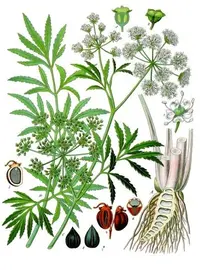
Mackenzie's water hemlock (Cicuta virosa) is a highly toxic, herbaceous perennial from wetland habitats. It typically grows along streams, ponds, and marsh edges in cooler regions. The plant has hollow, grooved stems, divided fern-like leaves, and umbrella-shaped clusters of small white flowers in summer. Its thick, chambered root is especially poisonous. This species can be difficult and risky to cultivate because every part is dangerous if handled or ingested. It naturally favors full sun to light shade, consistently wet conditions, and saturated, organic-rich soils. Only experienced specialists should attempt to care for Mackenzie's water hemlock, and it is not suitable for home gardens or areas accessible to people or animals.


Main Plant Requirements

Care Difficulty

Hard Care

Light Preference

Partial Sun

Water Requirements

Aquatic

Temperature Preference

Cold Hardy

Hardiness Zone

3–7

Soil Texture

Loamy, Silty, Organic-rich

Soil pH

Acidic (5.5–6.5), Slightly acidic (6.5–7.0)

Soil Drainage

Waterlogged tolerant

Fertilization

Minimal (feed rarely)

Get Personalized Care Plan

Scan your plant to receive care tips personalized for your specific plant

Available on iOS and Android

How to Care for the Mackenzie's water hemlock

This wetland perennial prefers strong natural light but not prolonged, drying heat.

  • Provide 4–6 hours of direct sun, ideally morning sun with light afternoon shade to prevent soil from baking.
  • Tolerates partial shade, especially in summer; dappled or filtered light helps keep the mud or shallow water cool and stable.
  • In open, unshaded sites Mackenzie's water hemlock may scorch or dry at the roots, while deep shade can reduce vigor and stem strength.

This species is adapted to saturated conditions and should never be allowed to dry out.

  • Grow in permanently wet soil, mud, or very shallow standing water; the surface should feel saturated, not just damp, at all times.
  • Watch for stress signs: yellowing, limp foliage with cracked soil indicates underwatering, while sour smell or black, collapsing stems suggests stagnant, oxygen-poor conditions.
  • In hot, dry weather, increase water input so the top 5–10 cm stay flooded or fully saturated; in cooler seasons maintain constant moisture but avoid severe water stagnation.

This cold-hardy aquatic prefers cool to mild conditions and tolerates substantial winter chill.

  • Optimal growth occurs around 60–75°F (16–24°C), especially in late spring and early summer when soil and water warm gradually.
  • Cicuta virosa survives well below 32°F (0°C) when roots are in unfrozen mud or protected underwater, but young shoots can be damaged by hard late frosts.
  • Heat above 86°F (30°C) with low water levels can stress plants; keep the root zone flooded and shaded to buffer temperature extremes in hot spells.

This species naturally grows in saturated habitats, so humidity matters less than constant root wetness.

This wetland species needs permanently saturated, organic-rich soil rather than a typical garden mix.

  • Use a heavy, mucky soil based on clay or loam with abundant decomposed organic matter, mimicking bog or marsh edges.
  • Allow no free-draining holes in artificial setups so the container or bed can hold standing water above the soil surface.
  • Aim for slightly acidic to neutral pH around 6.0–7.0, avoiding strongly alkaline or limed substrates that change nutrient availability.
  • Do not mix in perlite, coarse bark, or excess sand, since these increase drainage and reduce the waterlogged conditions Cicuta virosa requires.

This species is not suitable for typical decorative container growing but can be held in controlled, water-filled tubs for research or conservation only.

  • Use a deep, heavy tub or trough that will not tip when filled with water and saturated substrate outdoors.
  • Position the container inside a larger water reservoir or tray to maintain a constant water level above the soil surface.
  • Secure the container in a fenced, locked, and clearly labeled area to prevent any accidental contact with this highly toxic plant.

Cicuta virosa is a nutrient-efficient wetland perennial that generally needs little or no additional fertilization in naturalistic plantings or wildlife ponds.

Pruning Cicuta virosa is usually limited to safety management and light cleanup rather than shaping the plant.

  • Carry out any pruning in late fall or early spring, when growth is slow and plants are easier to inspect.
  • Remove dead, diseased, or storm-damaged stems with clean bypass pruners to limit decay and pathogen spread.
  • Cut back broken or lodging stems at the base to reduce tangling with nearby vegetation and maintain access around water edges.
  • Wear gloves and avoid skin contact with sap, disposing of all clippings securely due to the plant’s extreme toxicity.

This species is rarely kept in containers; management focuses on careful transplanting in wetland or pond-edge settings.

  • Transplant only when necessary, such as crowding, poor access, or site changes, since root disturbance can stress plants.
  • Aim for early spring, before strong new growth, so roots can re-establish in cool, consistently moist soil.
  • Move plants with a deep, wide soil clump, keeping roots and surrounding mud intact to limit shock.
  • Replant at the original depth in saturated, organic-rich soil, and keep the area evenly wet for several weeks after moving.

Artificial propagation of Cicuta virosa is strongly discouraged because the plant is highly toxic and hazardous in managed landscapes.

This cold-hardy wetland perennial typically survives normal winters in its range with no special winter protection.

  • In exposed sites, a light mulch of leaves or straw over the root zone can limit freeze–thaw heaving without drying the soil.
  • Container-grown specimens, if any, are best overwintered in a cold but unfrozen space, with the root ball kept consistently moist.
  • Avoid handling or relocating plants unnecessarily in winter, as frozen or waterlogged soil increases transplant stress and breakage risk.

Care Tips

Containment barriers

Install solid root and rhizome barriers (e.g. deep plastic edging or buried tubs without drainage gaps into natural water) to prevent uncontrolled spread into ponds, streams, or livestock areas when growing Mackenzie's water hemlock near other vegetation.

Glove-first handling

Always handle plants with impermeable gloves and long sleeves, then wash tools and exposed skin with soap and water immediately after work to reduce risk from the plant’s highly toxic sap.

Safe site signage

Place clear, weatherproof warning labels around the planting site, especially in public or shared spaces, to alert children, pet owners, and visitors to the extreme toxicity and discourage foraging or play nearby.

Controlled access paths

Design maintenance paths and stepping areas that keep routine foot traffic at least 1–2 m away from clumps, which reduces accidental contact and simplifies long-handled tool work around the colony.

Seasonal biomass disposal

Bag all cut stems, roots, and seed heads in heavy-duty plastic, label as toxic green waste, and dispose of according to local hazardous or invasive plant guidelines rather than composting, to prevent accidental poisoning or unwanted reseeding.

Common Pests and Diseases

Leaf spot fungi

This disease causes small water-soaked or brown lesions on leaves and sometimes on young stems, often enlarging and merging under humid conditions.

Solution

Remove and discard affected foliage, avoid crowding plants, and improve air movement across stands where possible; in managed plantings, reduce overhead watering and keep foliage as dry as possible to limit spore spread.

Powdery mildew

This disease produces a white to gray, powdery coating on leaves and tender stems, which can lead to yellowing and early leaf drop in stagnant, humid air.

Solution

Improve air circulation, reduce shading where feasible, and remove heavily infected leaves; in cultivated settings, sulfur or potassium bicarbonate formulations labeled for ornamentals can be used carefully, avoiding drift into natural wetlands.

Aphids

These insects feed by sucking sap from tender shoots and inflorescences, causing distorted growth and leaving sticky honeydew that can support sooty mold on stems and leaves.

Solution

Rinse colonies from stems with a firm stream of water where site conditions safely allow, encourage natural predators such as lady beetles, and in controlled plantings use insecticidal soap or horticultural oil directed only at infested tissue.

Leaf-mining larvae

This pest creates pale, winding tunnels within leaves as the larvae feed between the upper and lower leaf surfaces, which can reduce photosynthesis on heavily affected plants.

Solution

Remove and destroy mined leaves before larvae complete development, avoid unnecessary nitrogen-rich fertilization that encourages tender foliage, and in cultivated stands consider targeted use of biological controls such as Bacillus thuringiensis where local regulations permit.

Interesting Facts

Deadly water hemlock

This species is one of the most poisonous plants in temperate wetlands, containing the neurotoxin cicutoxin, which can cause violent seizures and respiratory failure if ingested.

Hollow chambered roots

Its thick rootstocks are divided into hollow chambers filled with an oily, highly toxic liquid, a structure that helps store both nutrients and toxins and often leads to accidental poisoning when confused with edible wetland plants.

Northern wetland specialist

The plant is naturally distributed across cool, northern regions of Europe and Asia, where it grows in shallow water, marsh edges, and slow-moving streams, often anchored in saturated, low-oxygen soils that many other species cannot tolerate.

Botan icon

Did you know?

Historical poisoning reports describe livestock and humans dying within hours after chewing even a small portion of the root, which led some regions to prioritize draining or fencing wetlands where this species is abundant to protect grazing animals.

FAQs about Mackenzie's water hemlock

All parts of this species are extremely poisonous to humans and animals, especially the roots and young shoots. Ingestion can cause seizures, respiratory failure, and death. It should never be handled casually or planted where children or livestock access it.

Grow Healthy Plants with Botan Care

Keep your plants happy and healthy with plant identification, disease detection, and easy care guidance.

Botan plant care app — identify plants on mobile

Explore More Plants