Sow in Cool Weather
Schedule sowing for early spring or early fall so plants develop in cooler conditions, which reduces heat stress and encourages stronger tillering and seed set when growing rye brome.

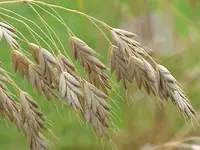
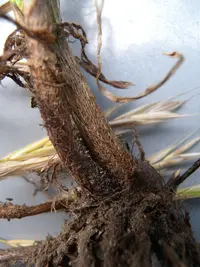
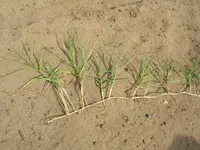
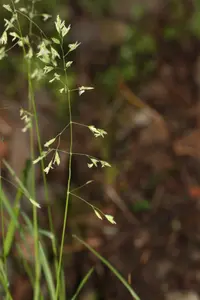
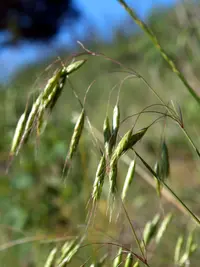
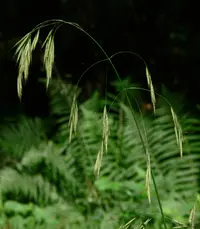
Rye brome (Bromus secalinus) is an annual grass, often found in grain fields, field margins, and disturbed soils. It is considered a weed in many cereal-growing regions. The plant forms upright clumps with slender stems, flat leaves, and loose, nodding seed heads that resemble small cereal spikes.
This grass thrives in full sun and moderately moist, well-drained soils, especially where the ground has been disturbed. It self-seeds easily, which can make it persistent once established. Because of its weedy, spreading habit, most growers focus on how to care for rye brome only when managing it in agricultural or restoration contexts rather than as an ornamental plant.

Care Difficulty
Easy Care

Light Preference
Full Sun

Water Requirements
Moderate Water

Temperature Preference
Cold Hardy

Hardiness Zone
3–8

Soil Texture
Sandy, Loamy, Silty

Soil pH
Slightly acidic (6.5–7.0), Neutral (7.0)

Soil Drainage
Well-drained

Fertilization
Minimal (feed rarely)
Scan your plant to receive care tips personalized for your specific plant
Available on iOS and Android
This annual grass prefers open, bright conditions similar to cereal fields and disturbed sites.
This species is adapted to moderately dry, well-drained soils and does not need frequent irrigation once established.
This grass is adapted to temperate climates and performs best in cool to mild conditions.
Humidity is not a critical factor for Bromus secalinus, which adapts well to typical outdoor air in temperate climates.
This grass prefers moderately fertile, loose mineral soil that drains freely but does not dry out instantly.
This species can be grown in containers, mainly for short-term display, trials, or educational plantings rather than long-term ornamental use.
This annual grass typically needs minimal feeding, especially in reasonably fertile soil.
Pruning for Bromus secalinus is simple and mainly focuses on tidiness and seed control.
This species is usually grown in open ground, so management focuses on site establishment rather than frequent repotting.
Propagation of Bromus secalinus is most commonly done by seed, reflecting its annual life cycle.
As a cool-season annual, this grass generally needs little specific winter care once its life cycle is complete.

Plant Health Check
Not sure what's wrong with your plant? Check your plant's health inside the app.
Rye brome evolved seed heads and growth timing that closely resemble cultivated cereals like rye and wheat, which helped it hide in crops and spread unnoticed during harvest.
Historical records show its grains were once accidentally ground into flour with rye and wheat, contributing to poor grain quality, so modern farming now treats it as a troublesome weed rather than a potential food plant.
Its seeds can remain viable in soil for multiple years and germinate at different times, which makes eradication difficult and allows persistent infestations in cereal fields.

In several European countries, long-term herbarium collections and seed bank studies have documented a marked decline of Bromus secalinus in traditional farmlands, to the point that it is now considered regionally threatened or endangered despite still behaving as a weed in other parts of its range.
This grass is usually annual, completing its life cycle in 1 season from germination to seed set. In mild climates a few plants may behave as short-lived winter annuals, but it does not persist as a long-lived perennial.
Keep your plants happy and healthy with plant identification, disease detection, and easy care guidance.