meadow brome Care (Bromus riparius)

meadow brome

About meadow brome

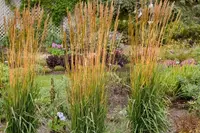
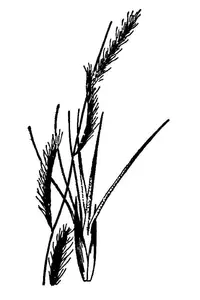
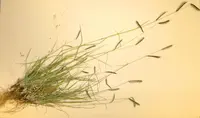
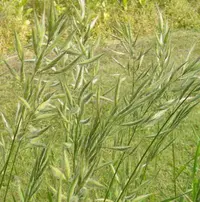
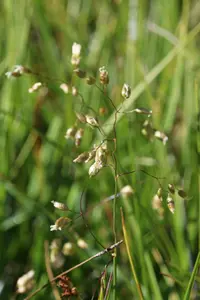
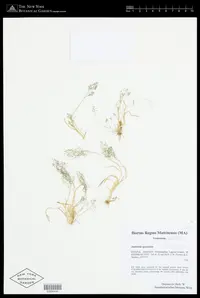
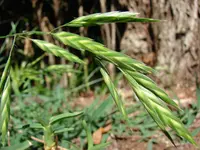
Meadow brome, Bromus riparius, is a cool-season perennial grass commonly used in pastures, erosion control, and naturalized meadows. It forms dense clumps with arching, medium-green leaves and loose, slightly drooping flower heads.

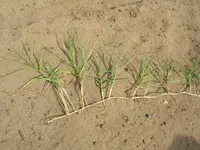
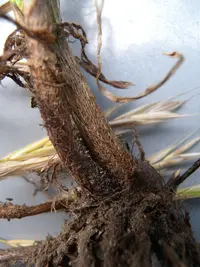
This grass is native to parts of Europe and western Asia but is widely grown in North America for forage and soil stabilization. It spreads moderately by short rhizomes, creating a durable, long-lived stand.

Bromus riparius is valued for good cold tolerance, regrowth after cutting or grazing, and relatively low maintenance needs once established. It prefers full sun, moderately moist but well-drained soils, and benefits from basic knowledge of how to care for meadow brome.

Main Plant Requirements

Care Difficulty

Easy Care

Light Preference

Full Sun

Water Requirements

Regular Water

Temperature Preference

Cold Hardy

Hardiness Zone

3–8

Soil Texture

Loamy, Silty, Organic-rich

Soil pH

Slightly acidic (6.5–7.0), Neutral (7.0)

Soil Drainage

Moist but well-drained

Fertilization

Minimal (feed rarely)

Get Personalized Care Plan

Scan your plant to receive care tips personalized for your specific plant

Available on iOS and Android

How to Care for the meadow brome

This cool-season grass prefers open, bright conditions in temperate climates.

  • Provide 6–8 hours of direct sun daily; 3–4 hours of morning sun plus bright light later suits most plantings.
  • Tolerates light partial shade, but dense shade reduces tillering and seedhead production in meadow brome.
  • In hot regions, protect from intense late-afternoon sun to limit leaf scorch, and avoid planting where buildings or trees cast deep winter shade.

This species prefers consistently moist but not waterlogged soil, especially during active growth.

  • Irrigate when the top 3–5 cm of soil feel slightly dry, using deep watering to moisten the root zone rather than frequent shallow splashes.
  • Ensure well-drained loam or sandy loam; standing water, sour smell, or yellowing, limp leaves indicate overwatering or poor drainage.
  • In cool, wet seasons reduce irrigation, while in hot, dry spells increase frequency if foliage curls, wilts, or turns dull gray-green, which signals drought stress in Bromus riparius.

This cool-season grass is adapted to temperate climates with cold winters and mild to warm summers.

  • Optimal active growth occurs around 50–75°F (10–24°C), with strongest performance in cool spring and fall conditions.
  • Established plants tolerate winter cold to about -20°F (-29°C) under snow cover, but repeated freeze–thaw with no snow can damage crowns.
  • During hot summers above 85–90°F (29–32°C), growth slows or goes partly dormant; maintain soil moisture to reduce heat stress and avoid cutting extremely short.

Humidity is not a major factor for Bromus riparius, which thrives in typical outdoor air conditions.

Bromus riparius prefers moderately fertile, moist but not waterlogged soil with stable structure.

  • Use a loamy or sandy-loam soil that holds moisture yet crumbles easily when squeezed, supporting root spread.
  • Aim for slightly acidic to neutral pH, around 6.0–7.0, to keep nutrients available and growth balanced.
  • Incorporate 20–30% compost to increase organic matter and water-holding capacity without creating heavy, sticky conditions.
  • Improve drainage and aeration on heavier sites by mixing in coarse sand or fine gravel, and avoid low-lying, saturated spots.

This species can be grown in containers when provided with adequate root space and stable moisture.

  • Choose a deep, wide container so the fibrous root system can anchor well and prevent the clump from drying too fast.
  • Use a heavier material such as clay when placing the pot in windy sites to reduce tipping of tall, leafy growth.
  • Raise the container slightly on pot feet so drainage holes stay clear and runoff does not re-soak the lower root zone.

This cool-season grass grows well in moderately fertile soil and usually needs only light feeding.

  • For meadow brome in production or pasture use, apply a balanced NPK fertilizer (such as 10-10-10) in early spring.
  • Use 50–75% of the label rate, as Bromus riparius responds well to moderate nutrient levels.
  • In late spring, a light side-dressing of compost helps maintain vigor and soil structure.
  • Avoid fertilizing in late fall or winter to prevent soft growth that is more prone to winter injury.

Pruning Bromus riparius is mainly about grooming and managing stand density rather than shaping.

  • Cut back dead or winter-killed foliage in late winter or very early spring before new growth emerges.
  • During the growing season, remove damaged or diseased stems with clean hand shears to limit disease spread.
  • If clumps become too dense, thin out some older stems at the base to improve air flow and reduce lodging.
  • Mowing or trimming after seed set can neaten appearance and encourage fresh regrowth in managed plantings.

This bunch-forming grass is more commonly transplanted in the landscape or pasture than kept in containers.

  • Transplant Bromus riparius in early spring or early fall when temperatures are mild and soil moisture is reliable.
  • Move clumps when growth slows, centers thin out, or roots form tight mats that lift from the soil surface.
  • Lift the plant with a spade, keep as much root ball intact as possible, and replant at the same soil depth.
  • Water thoroughly after transplanting and maintain even moisture for 2–3 weeks to reduce root stress and support establishment.

Bromus riparius is commonly propagated by seed and by division of established clumps.

  • Sow fresh or cleaned seed in fall or early spring in well-drained soil with consistent moisture for germination.
  • Lightly cover seeds with 0.5–1 cm of soil and keep the seedbed firm but not compacted.
  • Divide mature clumps in early spring, slicing with a sharp spade into sections with healthy roots and shoots.
  • Replant divisions promptly, irrigate well, and control weeds to reduce competition during establishment.

This cool-season grass is cold hardy in much of the US and usually needs minimal winter care.

  • Established in-ground plants tolerate typical frost and snow without extra covering.
  • In exposed or windy sites, a 5–7 cm layer of mulch around the base can limit soil heaving.
  • Container-grown plants benefit from being moved to a sheltered, unheated area to prevent root freezing and thawing cycles.

Care Tips

Early stand thinning

Thin dense spring seedlings to 15–20 cm spacing within rows to reduce competition, improve airflow, and lower disease pressure in established clumps.

Rotational clipping schedule

Use a rotational cutting system, leaving at least 8–10 cm of stubble and allowing 3–4 weeks of regrowth between cuts to maintain root reserves and extend stand longevity when growing meadow brome.

Targeted weed suppression

Mow or graze competitive annual weeds just before they set seed while leaving Bromus riparius foliage with some green leaf area, which weakens weeds without exhausting the grass.

Snow and ice management

In regions with heavy, compacted snow or ice, break up thick crusts over wintering plants in late winter to reduce crown suffocation and the risk of fungal crown rot.

Overseeding for density

Overseed thin patches in early spring or late summer, lightly harrow or rake to ensure seed–soil contact, and avoid heavy traffic on the area until new plants are well anchored.

Common Pests and Diseases

Leaf rust

This disease causes small orange to brown pustules on leaves that can merge into larger patches, reducing vigor and forage quality.

Solution

Remove and destroy heavily infected foliage if practical, avoid overhead irrigation, and maintain good spacing and airflow. In production settings, rotate with non-host crops or grasses and select rust-tolerant seed lots for future plantings as part of broader Bromus riparius care.

Powdery mildew

This disease forms white, powdery fungal growth on leaf surfaces and sheaths, which can lead to yellowing and reduced photosynthesis under crowded or humid conditions.

Solution

Reduce plant crowding, improve airflow, and avoid excessive nitrogen fertilization that promotes lush, susceptible growth. In field stands, mowing or grazing to remove heavily infected foliage and promoting drier canopy conditions usually keeps this disease at acceptable levels.

Barley yellow dwarf virus

This disease leads to yellowing or reddening of leaf tips and edges, stunting, and poor regrowth, especially in cool seasons.

Solution

Control aphid vectors early by encouraging natural predators and, in field systems, using seed treatments or timely aphid monitoring where justified. Remove severely affected patches when practical and maintain good overall stand vigor through balanced fertilization and proper mowing or grazing height.

Aphids

These insects cluster on young shoots and leaf sheaths, sucking sap and sometimes transmitting viruses that weaken the stand.

Solution

Encourage beneficial insects such as lady beetles by avoiding broad-spectrum insecticides, and use a strong water spray on small plantings to dislodge colonies. In larger fields, monitor populations and treat only when thresholds are exceeded, focusing on early-season control to reduce virus spread.

Grasshoppers

These insects chew leaves and stems, creating ragged defoliation that can thin stands during outbreak years.

Solution

Promote diverse field margins that support natural predators and birds, and mow surrounding weedy areas before nymphs move into the stand. In severe outbreaks, use targeted baits or spot treatments along field edges rather than blanket applications to limit damage while protecting beneficial organisms.

Interesting Facts

Riverbank habitat specialist

This grass commonly colonizes moist to wet soils along streams, irrigation canals, and ditches, where its dense fibrous roots help stabilize banks and reduce erosion.

Cool-season growth pattern

As a cool-season perennial, it starts growing early in spring and remains active in mild temperatures, then slows or goes dormant during hot, dry summer conditions.

Valuable forage resource

In rangeland and pasture systems, this species is used as palatable forage for livestock and wildlife, especially in cooler climates where it can provide early-season grazing.

FAQs about meadow brome

This species spreads by seed and short rhizomes, forming dense clumps over time but usually not overwhelming managed pasture or meadow plantings. In fertile, moist soils it can expand steadily, so occasional monitoring and thinning may be needed.

Grow Healthy Plants with Botan Care

Keep your plants happy and healthy with plant identification, disease detection, and easy care guidance.

Botan plant care app — identify plants on mobile

Explore More Plants