Early stand assessment
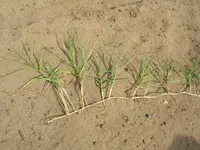
Walk the planting area 10–14 days after emergence, checking several 0.25 m² quadrats to confirm uniform density and identify gaps that may need overseeding before weeds exploit bare soil.

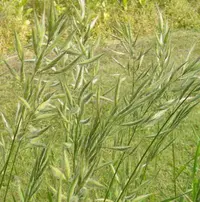
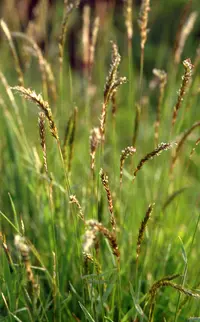
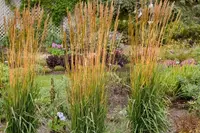
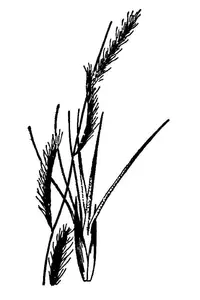
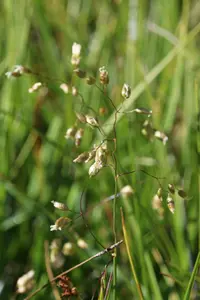
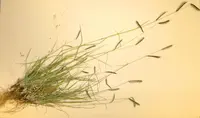
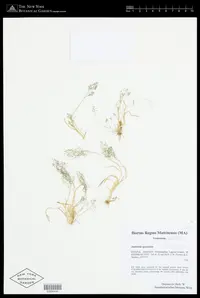
Mediterranean brome (Bromus lanceolatus) is an annual grass species commonly found in dry, open habitats. It forms loose clumps with slender, upright stems and narrow leaves. The flower heads are airy panicles that turn from green to straw-colored as the seeds mature.
This grass is native to Mediterranean regions but has spread to similar climates, including parts of North America and Australia. It favors sunny locations, well-drained soils, and moderate moisture, which makes it relatively easy to establish. Understanding how to care for Mediterranean brome starts with recognizing its preference for dry, open conditions and low competition from denser vegetation.

Care Difficulty
Easy Care

Light Preference
Full Sun

Water Requirements
Moderate Water

Temperature Preference
Cool Climate

Hardiness Zone
5–9

Soil Texture
Sandy, Loamy, Silty

Soil pH
Slightly acidic (6.5–7.0), Neutral (7.0)

Soil Drainage
Well-drained

Fertilization
Minimal (feed rarely)
Scan your plant to receive care tips personalized for your specific plant
Available on iOS and Android
This annual grass prefers open, bright conditions similar to its native Mediterranean habitats.
This species prefers moderately dry conditions and does poorly in persistently wet soil.
This grass is adapted to mild, Mediterranean-type climates with cool to warm growing seasons.
Humidity is not a major factor for Bromus lanceolatus, which is adapted to relatively dry air.
This grass prefers mineral, freely draining soil that does not stay wet for long.
This species can be grown in containers for short-term displays or trials, but performance is usually better in open ground.
Bromus lanceolatus is usually grown without fertilizer, but light feeding can support denser growth in poorer soils.
Pruning Bromus lanceolatus is minimal and mainly helps keep the stand tidy and encourages fresh shoots.
This grass is typically field-grown, so focus on careful transplanting rather than frequent repotting.
New Bromus lanceolatus plants are most often produced from seed, with division used where clumps are well established.
This annual or short-lived grass is generally cold tolerant and needs little specific winter care in the field.

Plant Health Check
Not sure what's wrong with your plant? Check your plant's health inside the app.
This grass is a true winter annual in Mediterranean-type climates, germinating with autumn rains, forming a low rosette, then bolting and setting seed in spring before summer drought kills the adult plants.
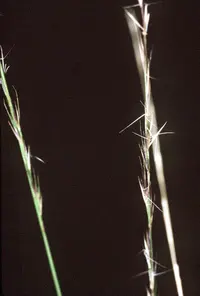
Its narrow spikelets bear long, straight awns that aid in seed dispersal by catching on animal fur and also help orient seeds into soil cracks for better establishment.
The species often colonizes disturbed, nutrient-poor, or overgrazed sites, where its fast annual life cycle lets it complete reproduction before more competitive perennials recover.
This grass behaves mainly as an annual, completing its life cycle in 1 season, though it can sometimes act short-lived perennial in mild climates. It typically regenerates from seed rather than long-term clump persistence.
Keep your plants happy and healthy with plant identification, disease detection, and easy care guidance.