Prescribed-burn substitute
In landscapes where fire is not possible, periodically cut the foliage back to 5–8 cm in late winter to mimic natural burn cycles and encourage dense new tufts instead of lank, open clumps.

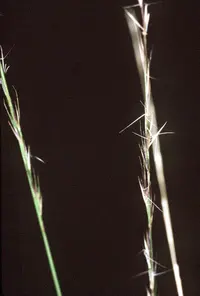
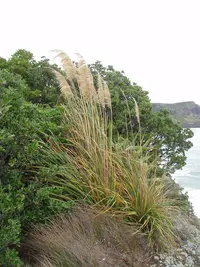
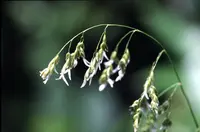
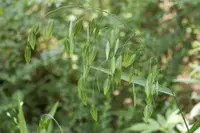
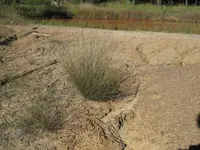
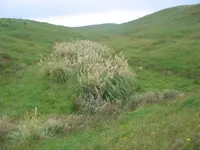
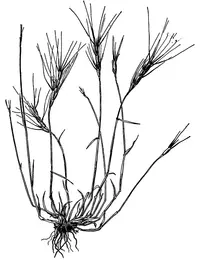
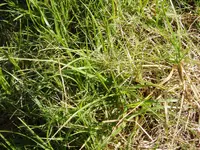
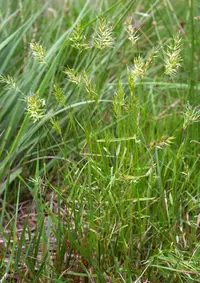
Pineland threeawn, Aristida stricta, is a perennial bunchgrass native to the pine flatwoods and sandhills of the southeastern United States. It forms dense, upright clumps with fine, needle-like leaves and tall, airy flowering stems.
This grass is a key species in longleaf pine ecosystems, where it helps carry low-intensity fires and stabilizes sandy soils. It tends to be slow to establish from seed and resents heavy disturbance, which can make it a bit challenging for beginners.
In cultivation, it prefers full sun, well-drained sandy soil, and generally dry to moderately dry conditions. Gardeners who learn how to care for pineland threeawn often value it for naturalistic plantings and habitat restoration projects.

Care Difficulty
Easy Care

Light Preference
Full Sun

Water Requirements
Low Water

Temperature Preference
Cold Hardy

Hardiness Zone
7–9

Soil Texture
Sandy, Loamy

Soil pH
Acidic (5.5–6.5), Slightly acidic (6.5–7.0)

Soil Drainage
Well-drained

Fertilization
Minimal (feed rarely)
Scan your plant to receive care tips personalized for your specific plant
Available on iOS and Android
This sun-loving grass performs best in open, exposed conditions similar to its native pine savannas.
This species is strongly drought-tolerant and prefers dry, fast-draining conditions once established.
This warm-season bunchgrass thrives in hot, mild climates and is adapted to the southeastern US.
This drought-adapted grass tolerates a wide humidity range and rarely needs special humidity management.
Aristida stricta prefers very lean, sandy soil that drains quickly and never stays wet.
This species can be grown in containers if the pot is set up to shed water quickly and stay stable in wind.
This southeastern US native grass, often called pineland threeawn, needs very modest feeding in typical garden or restoration settings.
Pruning Aristida stricta is usually limited to cleaning up old foliage and maintaining a neat clump shape.
Aristida stricta is usually grown in the ground; transplanting is infrequent and should be done with care to limit root disturbance.
Aristida stricta is most often propagated by seed for restoration work, with division used occasionally in garden settings.
Aristida stricta is generally cold hardy in its native range and needs minimal winter care in USDA zones where it is adapted.

Plant Health Check
Not sure what's wrong with your plant? Check your plant's health inside the app.
This species often flowers most abundantly after low-intensity fires in its native longleaf pine ecosystems, because fire removes competing vegetation and triggers strong regrowth from its basal buds.
Aristida stricta is a dominant bunchgrass in southeastern U.S. longleaf pine savannas, where its dense clumps help carry frequent surface fires that maintain the open, species-rich structure of these habitats.
Its seeds bear long, twisted awns that respond to changes in humidity; as the awns coil and uncoil, they can slowly work the seed into soil cracks, improving chances of successful establishment.

This grass is so central to the function of longleaf pine ecosystems that land managers often describe successful restoration of these forests as impossible without reestablishing robust Aristida stricta populations.
This species is a long-lived perennial bunchgrass. Individual clumps can persist for many years, slowly enlarging over time. It does not need replanting each year and forms a stable base in long-term plantings.
Keep your plants happy and healthy with plant identification, disease detection, and easy care guidance.