Redleg Grass Care (Bothriochloa macra)

Also known as: red grass
Redleg Grass

About Redleg Grass

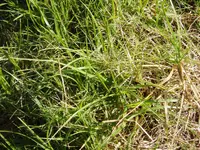
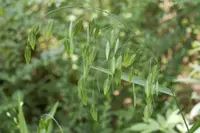
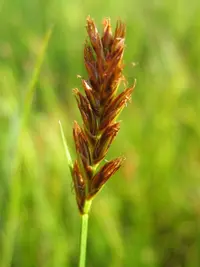
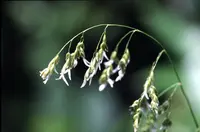
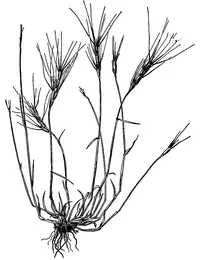
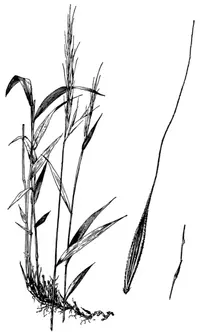
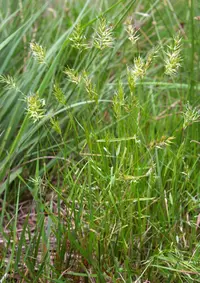
Redleg grass, Bothriochloa macra, is a warm-season perennial grass commonly found in pastures, roadsides, and open grassy areas. It forms loose clumps with fine leaves and often shows reddish stems or bases.

This species is native to Australia but is also naturalized in other temperate regions. It tolerates poor, dry soils and periodic mowing or grazing, which makes it useful in low-input landscapes.

Growth is generally reliable where summers are warm and the soil drains well. Understanding how to care for Redleg Grass starts with providing full sun, moderate moisture, and soils that do not stay waterlogged.

Main Plant Requirements

Care Difficulty

Easy Care

Light Preference

Full Sun

Water Requirements

Low Water

Temperature Preference

Warm Climate

Hardiness Zone

7–11

Soil Texture

Sandy, Loamy, Clay

Soil pH

Slightly acidic (6.5–7.0), Neutral (7.0)

Soil Drainage

Well-drained

Fertilization

Minimal (feed rarely)

Get Personalized Care Plan

Scan your plant to receive care tips personalized for your specific plant

Available on iOS and Android

How to Care for the Redleg Grass

This warm-season grass prefers full sun but tolerates some light shade in hot regions.

  • Provide 6–8 hours of direct sun daily; morning sun with light afternoon shade reduces summer stress in hot inland areas.
  • In partial shade (3–4 hours sun), expect looser growth and less intense color, but Redleg Grass generally maintains acceptable vigor.
  • Avoid deep shade or dense competition from shrubs and trees, which leads to weak, floppy stems and sparse patches over several seasons.

This species prefers moderately dry conditions and performs best in well-drained soil.

  • Allow the top 3–5 cm of soil to dry between waterings; soil should feel dry but not powdery before adding water.
  • In the first growing season, water deeply when blades curl, lose sheen, or footprinting remains, then reduce frequency once Bothriochloa macra is established.
  • Watch for yellowing bases and soft, rotting crowns as signs of overwatering, and crisp brown leaf tips and slow recovery after mowing as signs of underwatering.

This warm-season grass grows best in mild to hot weather and slows in cool conditions.

  • Optimal active growth occurs around 75–90°F (24–32°C); growth rate drops noticeably below 65°F (18°C).
  • Established plants tolerate summer heat up to about 100°F (38°C) if soil is not waterlogged and there is occasional deep watering during drought.
  • The grass survives short dips to about 20–25°F (-6 to -4°C) but foliage burns with hard frost, so expect seasonal browning and regrowth from the base in spring.

This species tolerates a broad humidity range and does not usually need special humidity management.

This warm-season grass prefers lean, well-drained mineral soils and copes well with low fertility.

  • Use sandy or sandy-loam soil with low to moderate organic matter to mimic natural grassland conditions for Bothriochloa macra.
  • Ensure very sharp drainage; incorporate coarse sand or fine gravel to prevent prolonged saturation around the roots.
  • Aim for slightly acidic to neutral pH around 6.0–7.5, avoiding highly acidic or saline soils that limit root function.
  • Avoid heavy, compacted clay; if unavoidable, lighten it with coarse sand and fine gravel to improve aeration and water movement.

This species can be grown in containers, mainly for ornamental or trial plantings rather than long-term, dense clumps.

  • Choose a wide, low container to accommodate its fibrous, spreading root system and reduce the risk of tipping in wind.
  • Use a gritty mix of sandy loam and coarse mineral material so water drains quickly after irrigation or rain.
  • Select a heavier pot material such as ceramic or concrete in exposed sites to stabilize the plant’s airy top growth against gusts.

Bothriochloa macra is a tough, low-input grass that benefits from light feeding only on poor soils.

  • Use a balanced slow-release fertilizer (for example 10-10-10) or a thin layer of compost in spring.
  • Feed once at the start of the growing season; avoid multiple applications in fertile ground.
  • Apply at half the label rate to prevent lush, floppy growth and nutrient runoff.
  • Skip fertilizing in winter or dormancy, as nutrient uptake is minimal then.

Bothriochloa macra needs only modest pruning to stay tidy and encourage fresh growth.

  • Cut back spent flower stems and dead foliage in late winter or very early spring before new shoots emerge.
  • Remove damaged, diseased, or badly lodged clumps with clean, sharp shears.
  • Thin crowded patches by taking out entire small clumps to maintain airflow and an even appearance.
  • Light annual cutting keeps the grass compact and supports healthy new tiller formation.

This grass is usually grown in the ground, so management focuses on dividing and transplanting mature clumps.

  • Transplant or divide in early spring or early fall when temperatures are mild and soil moisture is reliable.
  • Look for crowded clumps, dead centers, or slow growth as signs that Bothriochloa macra needs lifting and division.
  • Split clumps into smaller sections with a sharp spade, keeping generous roots and firm soil attached to each piece.
  • Replant at the original soil depth, water thoroughly, and shade temporarily if needed to reduce transplant shock.

Bothriochloa macra is commonly propagated by division and by seed for meadow and lawn-style plantings.

  • Divide healthy clumps in early spring or early fall, when soil is moist and temperatures mild.
  • Cut clumps into several pieces, each with strong shoots and roots, then replant promptly and water well.
  • Sow seeds in late winter to spring on well-drained soil, barely covering them, and keep evenly moist until germination.
  • Provide full sun and avoid waterlogging to support strong root development in new plants.

This species is generally cold hardy in temperate climates and usually needs minimal winter care.

  • In colder regions, allow dry foliage of Bothriochloa macra to stand over winter to shelter crowns.
  • Apply a light mulch layer around the base in late fall where winters are severe or very dry.
  • For container-grown plants in cold zones, move pots to a sheltered, unheated but frost-moderated spot.

Care Tips

Establish from plugs

Use cell-grown plugs or small divisions spaced 20–30 cm apart rather than seed where erosion control or quick cover is needed, as established pieces root faster and outcompete weeds more effectively.

Mow for density

Mow lightly at 7–10 cm height once or twice in late spring and early summer to encourage a denser sward and reduce lodging, removing clippings if thatch begins to build up.

Timed renovation grazing

In mixed pasture systems, use short, controlled grazing periods in late spring to keep growth vegetative and suppress coarse weeds, then allow a rest period of 3–4 weeks for recovery.

Seed head management

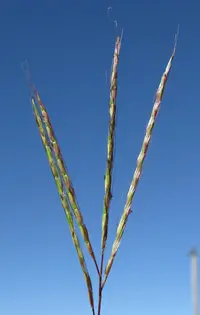
If self-seeding is excessive near paths or garden beds, cut or mow flower stems just as they start to turn from green to straw-colored to limit spread while still allowing the plant to store energy in its roots.

Summer weed suppression

Apply a 5–7 cm mulch band only along the outer edges of planting strips in the first growing season to suppress annual weeds without smothering new tillers, then gradually remove or thin the mulch as clumps expand.

Common Pests and Diseases

Armyworms

This pest feeds heavily on leaves and stems, causing rapid defoliation and thin, ragged patches in established clumps or turf plantings. Symptoms include chewed leaf blades and brown, scalped-looking areas that expand quickly in warm, wet weather.

Solution

Monitor for caterpillars at dusk and early morning, then mow to remove some foliage and hand-pick where feasible. In larger areas, encourage beneficial predators by avoiding broad-spectrum insecticides, and if damage is severe, use a targeted biological control such as Bacillus thuringiensis (Bt) or a selective lawn caterpillar product, following label directions carefully.

Billbugs

These insects damage plants as larvae inside the stems and crowns, leading to wilting, yellowing, and dead patches that fail to green up despite irrigation. Symptoms include hollowed stems that break easily and turf that pulls up like dry straw in small sections.

Solution

Reduce thatch and plant debris where adults shelter, and avoid stressing the grass with very low mowing or chronic drought. In affected areas, remove and destroy heavily damaged clumps and, if infestations are confirmed, apply a targeted grub or billbug control product at the recommended timing, focusing on young larvae in late spring to early summer.

Leaf spot

This disease causes small purple, brown, or dark tan lesions on leaves that can merge and thin the stand, especially in humid or overwatered conditions. Symptoms include weakened foliage that takes on a scorched appearance from the tips downward.

Solution

Improve air circulation and reduce leaf wetness by watering early in the day and avoiding frequent, shallow irrigation. Mow at a moderate height, collect and remove heavily infected clippings, and in persistent cases use a grass-safe fungicide labeled for leaf spot, rotating active ingredients to limit resistance.

Rust

This disease produces small orange to brown powdery pustules on leaf surfaces, often visible on shoes or tools after walking through an infected stand. Symptoms include reduced vigor, premature leaf yellowing, and a dull, dusty look to the foliage.

Solution

Maintain moderate fertility and avoid heavy nitrogen that encourages soft, susceptible growth, and water at the base or early in the day to keep leaves dry. Remove and dispose of heavily infected foliage and, if outbreaks are severe or recurring, apply a labeled systemic fungicide on a schedule that matches product guidance.

Crown and stem blight

This disease affects the lower stems and crowns, leading to sudden dieback of tillers and patchy thinning in otherwise mature stands, often after extended wet or waterlogged periods. Symptoms include dark, discolored stem bases and crowns that are soft or brittle when pulled apart.

Solution

Improve drainage and avoid chronic waterlogging by adjusting irrigation and relieving compaction with core aeration where practical. Remove severely affected clumps, allow the site to dry between waterings, and consider replanting with healthy divisions while following conservative Bothriochloa macra plant care practices that avoid overwatering and nutrient excess.

Interesting Facts

Native Australian grasslands

This species is native to eastern Australia, where it is a common component of temperate grasslands and open woodlands on a wide range of soils, from shallow rocky sites to compacted urban ground.

High mowing tolerance

It copes well with frequent mowing and trampling, which is why it has been trialed and used as a low‑input turf and roadside grass in Australia instead of traditional lawn species.

Summer‑active C4 species

Bothriochloa macra uses the C4 photosynthetic pathway, meaning it is most productive in warm conditions and is efficient at using water and nitrogen compared with many cool‑season grasses.

FAQs about Redleg Grass

This species spreads by seed and short rhizomes, forming loose clumps rather than dense, choking mats. It can slowly naturalize in suitable conditions but is usually manageable with normal mowing, occasional thinning, and removal of unwanted seedlings.

Grow Healthy Plants with Botan Care

Keep your plants happy and healthy with plant identification, disease detection, and easy care guidance.

Botan plant care app — identify plants on mobile

Explore More Plants