Seedbed Weed Flush
Before sowing, irrigate or wait for a natural rain event to germinate surface weed seeds, then lightly cultivate or flame-weed the top 1–2 cm to remove this first flush and give barbed goatgrass seedlings a competitive head start.

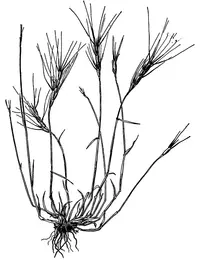
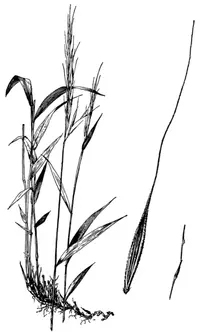
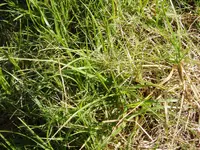
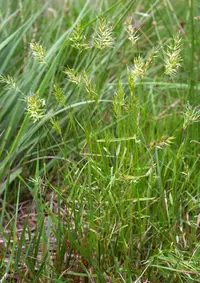
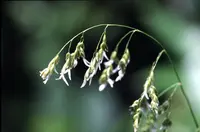
Barbed goatgrass (Aegilops triuncialis) is an annual grass species often found in disturbed sites, rangelands, and roadsides. It forms dense clumps with slender, upright stems and narrow leaves. Seed heads are bristly and barbed, which helps them attach to animals and clothing and spread easily.
This grass is native to parts of the Mediterranean and western Asia but has become invasive in some regions of the western United States. It tolerates poor, dry soils and full sun, which makes it persistent once established. Because it spreads aggressively and competes with other plants, most land managers control it rather than care for barbed goatgrass.

Care Difficulty
Easy Care

Light Preference
Full Sun

Water Requirements
Low Water

Temperature Preference
Cool Climate

Hardiness Zone
6–10

Soil Texture
Sandy, Loamy, Clay

Soil pH
Neutral (7.0), Slightly alkaline (7.0–7.5)

Soil Drainage
Well-drained

Fertilization
Minimal (feed rarely)
Scan your plant to receive care tips personalized for your specific plant
Available on iOS and Android
This annual grass prefers open, sunny sites similar to dry rangelands and disturbed fields.
This species is adapted to dry, Mediterranean-type climates with cool, moist winters and hot, dry summers.
This cool-season annual thrives in mild, wet winters and hot, dry summers typical of Mediterranean climates.
Humidity is not a significant factor for Aegilops triuncialis, which is adapted to dry, open habitats.
This grass prefers dry, open, well-drained soils and often grows on poor, disturbed ground.
This species can be grown in containers, mainly for observation, research, or controlled management rather than ornament.
This hardy annual grass usually needs no fertilizer in natural or low-input settings.
Pruning Aegilops triuncialis is minimal and mainly serves management or appearance purposes.
This annual grass is usually direct-sown outdoors and is rarely maintained long-term in containers.
Seed is the standard method for increasing Aegilops triuncialis populations.
In most temperate climates this hardy annual grass requires little dedicated winter care.

Plant Health Check
Not sure what's wrong with your plant? Check your plant's health inside the app.
This grass is a wild relative of domesticated wheat and has been used in genetic studies to understand traits such as drought tolerance and adaptation to poor soils.
It often colonizes serpentine and other nutrient-poor, heavy-metal-rich soils, showing strong tolerance to harsh chemical conditions that limit many other plant species.
In parts of California and the western United States, it is considered an invasive annual grass that can alter native plant communities and reduce forage quality for livestock.

In some breeding and genomic research programs, genes from this species have been investigated as potential sources of stress-resistance traits that could be introgressed into cultivated wheat to improve performance under challenging environmental conditions.
This grass is highly invasive in many western US regions, especially California. It spreads quickly by seed, outcompetes native plants, reduces forage quality, and is difficult to eradicate once dense stands are established.
Keep your plants happy and healthy with plant identification, disease detection, and easy care guidance.