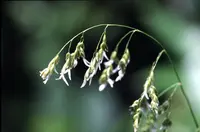
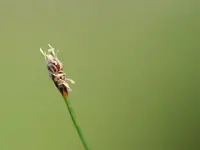
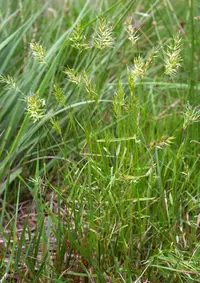
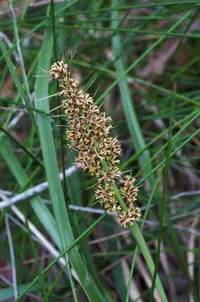
California sweet grass Care (Anthoxanthum occidentale)

California sweet grass

About California sweet grass

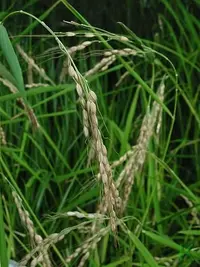
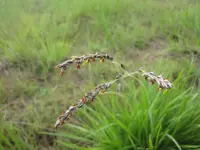
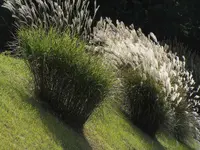
California sweet grass, Anthoxanthum occidentale, is a cool-season perennial grass native to western North America, especially coastal and montane regions. It typically forms low, tufted clumps with fine, soft leaves and delicate flowering stems that carry small, fragrant seed heads.

This species favors open woodlands, meadows, and coastal scrub where soils stay moderately moist but not waterlogged. Its natural tolerance of poor to average soils and seasonal dryness makes it relatively undemanding once established, though it performs best with steady moisture and light shade to partial sun. Gardeners who want to learn how to care for California sweet grass usually focus on providing consistent moisture, avoiding heavy trampling, and preventing severe summer drought stress.


Main Plant Requirements

Care Difficulty

Moderate Care

Light Preference

Partial Sun

Water Requirements

Moderate Water

Temperature Preference

Cool Climate

Hardiness Zone

6–9

Soil Texture

Loamy, Silty, Organic-rich

Soil pH

Acidic (5.5–6.5), Slightly acidic (6.5–7.0)

Soil Drainage

Moist but well-drained

Fertilization

Minimal (feed rarely)

Get Personalized Care Plan

Scan your plant to receive care tips personalized for your specific plant

Available on iOS and Android

How to Care for the California sweet grass

This cool-season grass prefers bright, gentle light similar to open woodland edges.

  • Provide 4–6 hours of morning sun or bright filtered light; light afternoon shade helps prevent leaf tip scorch in hotter regions.
  • It tolerates light to moderate partial shade, but stems may elongate and flowering can decrease if it receives less than 3–4 hours of direct or lightly filtered sun.
  • In full-sun coastal sites, California sweet grass usually handles exposure, but in hotter inland summers use dappled shade to prevent drought stress and leaf bleaching.

This species prefers consistently moist, well-drained soil without prolonged saturation.

  • In the ground, water when the top 2–4 cm of soil feel dry, aiming for moist but not soggy conditions during active spring and early-summer growth.
  • Reduce watering once growth slows in late summer and fall, allowing the surface to dry a bit deeper, while preventing the root zone from baking hard or cracking.
  • Watch for overwatering signs such as yellowing, limp foliage and a sour smell in the soil; dry, curling leaves and slow recovery after light rain suggest underwatering for Anthoxanthum occidentale.

This grass is adapted to mild, maritime-influenced climates with cool, moist seasons.

  • Optimal growth occurs around 55–70°F (13–21°C), especially in cool spring and early-summer conditions with steady moisture.
  • Established plants often survive brief dips near 20°F (-6°C), but repeated hard freezes below this range can damage foliage and reduce vigor the following season.
  • During hot spells above 85°F (29°C), growth slows; provide extra water and light shade, as extended heat over 95°F (35°C) can scorch leaves and stress roots, especially in dry soils.

This grass tolerates a wide humidity range and usually does not need special humidity management.

  • Target 30–60% relative humidity, similar to most temperate outdoor conditions around California sweet grass.
  • Dry indoor air below 30% is usually tolerated but may cause leaf tips to brown and edges to curl slightly.
  • If air is very dry and plants are in containers, group pots together or place near a tray of water and stones to moderate humidity.

Anthoxanthum occidentale prefers light, well-drained mineral soils that do not stay saturated.

  • Use a sandy or loamy mix with moderate organic matter so roots get both moisture and air spaces.
  • Aim for slightly acidic to neutral pH, roughly 6.0–7.2, avoiding strongly alkaline or saline conditions.
  • For containers, combine 50–60% all-purpose potting mix with 30–40% coarse sand plus 10–20% fine gravel or perlite to sharpen drainage.
  • Avoid heavy clay, compacted sites, or mixes with high peat that remain wet for long periods and promote root decline.

This species can adapt to container growing when the pot is set up to drain quickly and stay stable outdoors.

  • Choose a wide, relatively shallow pot to accommodate spreading fibrous roots and prevent the plant from becoming top-heavy in wind.
  • Select a heavy clay or ceramic container if exposure is windy, so the pot weight stabilizes the clump as it matures.
  • Raise the pot slightly on feet or bricks so drainage holes never sit directly in pooling water after rain or irrigation.

This native grass usually grows well in average soils and needs only light feeding in cultivation.

  • Use a balanced, slow-release fertilizer (around 10-10-10) or a thin layer of compost in spring as growth begins.
  • Apply once at the start of the growing season; avoid repeated feeding unless soil is very poor.
  • Dilute liquid fertilizers to 1/2 strength to prevent soft, weak growth in California sweet grass.
  • Stop fertilizing by late summer so new growth can harden before cooler weather.

Pruning Anthoxanthum occidentale is simple and mainly focuses on cleanup and maintaining a tidy clump.

  • Cut back dead or winter-burned foliage in late winter or very early spring before new shoots emerge.
  • Shear or hand-trim spent flower stalks after seed drop to reduce self-sowing and neaten appearance.
  • Remove damaged or crowded stems at the base to keep good air flow and a balanced, arching form.
  • Use clean, sharp scissors or hand pruners and avoid cutting into fresh, actively growing shoots.

This species is most often grown in the ground, with transplanting done occasionally to adjust spacing or move clumps.

  • Plan transplanting for early spring or early fall, when temperatures are mild and soil moisture is steady.
  • Look for signs such as crowded tufts, declining vigor, or roots circling inside a nursery pot as cues to move or divide plants.
  • Lift the clump with a spade, keep as much root ball intact as possible, and replant at the same depth in loosened soil.
  • Water thoroughly after transplanting and shade lightly for a few days to limit transplant shock and root stress.

This grass is commonly propagated by division and sometimes from seed for restoration or meadow plantings.

  • Divide established clumps in early spring or early fall, when weather is cool and soil is moist.
  • Lift the plant, then split the root mass into smaller sections, each with healthy shoots and roots.
  • Replant divisions promptly, firm soil around roots, and water well to remove air pockets and support reestablishment.
  • Sow fresh seeds on the soil surface or very lightly covered, keeping the seedbed evenly moist until germination.

This cool-season native grass is generally cold hardy in its range and needs minimal winter care in the ground.

  • In cold climates, allow foliage to brown naturally, then cut back in late winter rather than fall.
  • Apply a light 2–5 cm mulch layer around the base in exposed sites to buffer freeze–thaw cycles.
  • Move container-grown plants to a sheltered, unheated but frost-free spot if pots are at risk of freezing solid.

Care Tips

Encourage Dense Clumps

Shear or mow established plants lightly in late winter before new growth starts to stimulate denser clumps and reduce accumulated thatch, which keeps stands more uniform and easier to manage when growing California sweet grass.

Use Controlled Division

Divide older clumps every 3–4 years in early spring, replanting only the vigorous outer sections at the same depth to maintain stand vigor and reduce the risk of crown rot in compacted centers.

Manage Self-Seeding

If natural spread is not desired, cut or mow seed heads just as they finish flowering but before seed set, which limits unwanted seedlings while still allowing the plant to complete its growth cycle.

Integrate With Native Mixes

In meadow or restoration plantings, combine this species with compatible low-stature native grasses and forbs, spacing small plugs irregularly, to create a stable, competitive plant community that suppresses weeds without crowding it out.

Low-Impact Weed Control

Use a narrow-blade hoe or hand weeding early in the season around young plants, disturbing only the top 1–2 cm of soil, to remove shallow-rooted weeds without damaging the relatively fine root system.

Common Pests and Diseases

Leaf rust

This disease causes small yellow to orange spots that turn brown on leaves, often leading to premature leaf death in humid conditions.

Solution

Remove and destroy heavily infected foliage, avoid overhead watering, and improve spacing and airflow around clumps; in severe or recurring cases, apply a labeled grass fungicide containing myclobutanil or propiconazole according to local regulations and product directions.

Powdery mildew

This disease appears as white, powdery patches on blades and sheaths, which can cause leaf yellowing and reduced vigor in shaded, crowded stands.

Solution

Increase sun exposure where possible, thin overcrowded plants to improve air movement, avoid high-nitrogen fertilization, and use a sulfur or potassium bicarbonate fungicide labeled for ornamental grasses if cultural changes do not control the problem.

Grass aphids

These insects feed on leaf sap, causing pale streaks, curling, and sticky honeydew that can attract sooty mold on dense or stressed plants.

Solution

Rinse colonies off foliage with a firm stream of water, encourage natural predators such as lady beetles, and if needed use an insecticidal soap or neem oil spray, ensuring full leaf coverage and repeating as the label directs.

Grasshoppers

These insects chew irregular holes and ragged edges on leaves, sometimes stripping foliage on young or isolated clumps in dry, open sites.

Solution

Handpick and remove visible grasshoppers where practical, reduce tall surrounding weeds that provide cover, and if damage is severe use a targeted bait or barrier product labeled for grasshoppers, applied following local guidelines to protect non-target insects.

Leaf spot complex

Symptoms include small brown or tan lesions with darker margins on leaves, often coalescing into larger dead patches during extended wet periods.

Solution

Cut back and discard affected foliage, irrigate at soil level rather than overhead, maintain moderate plant density, and in persistent cases apply a broad-spectrum fungicide labeled for leaf spot diseases on ornamental grasses early in the infection cycle.

Interesting Facts

Western sweet-scented grass

This species is native to western North America, where it grows in open woods, meadows, and coastal habitats and contributes a subtle sweet scent to the local grass flora when foliage is crushed or dried.

Cool-season growth pattern

Anthoxanthum occidentale is a cool-season bunchgrass that does most of its active growth in cooler months, then often becomes semi-dormant or less vigorous during hot, dry summer periods in much of its range.

Source of coumarin aroma

The sweet, hay-like fragrance of this grass is due to coumarin, an aromatic compound also found in other sweet grasses, which becomes more noticeable as the plant material dries.

FAQs about California sweet grass

This species is a cool-season perennial grass, returning from its root system each year. Individual clumps may thin with age, but plants typically persist for several years when not overgrazed, repeatedly scalped, or subjected to prolonged drought stress.

Grow Healthy Plants with Botan Care

Keep your plants happy and healthy with plant identification, disease detection, and easy care guidance.

Botan plant care app — identify plants on mobile

Explore More Plants