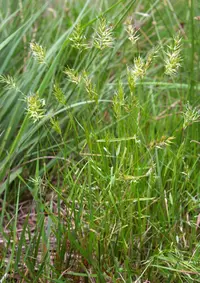
eastern gamagrass Care (Tripsacum dactyloides)

Also known as: Fakahatcheegrass
eastern gamagrass

About eastern gamagrass

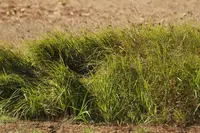
Eastern gamagrass, Tripsacum dactyloides, is a warm-season perennial bunchgrass native to prairies, open woodlands, and stream banks in North America. It forms dense clumps with broad, arching leaves and tall flower stalks that give it a bold, structural look in the landscape.

This grass is valued for its deep root system, erosion control benefits, and high wildlife and forage value. It is generally robust and long-lived when provided with full sun, consistent moisture, and moderately fertile, well-drained soil.

For gardeners, understanding how to care for eastern gamagrass mainly involves giving it enough space to mature and avoiding overly dry, compacted sites.

Main Plant Requirements

Care Difficulty

Easy Care

Light Preference

Full Sun

Water Requirements

Regular Water

Temperature Preference

Cold Hardy

Hardiness Zone

4–9

Soil Texture

Sandy, Loamy, Clay

Soil pH

Slightly acidic (6.5–7.0), Neutral (7.0)

Soil Drainage

Moist but well-drained

Fertilization

Minimal (feed rarely)

Get Personalized Care Plan

Scan your plant to receive care tips personalized for your specific plant

Available on iOS and Android

How to Care for the eastern gamagrass

This warm-season grass thrives in open, bright sites with sustained direct sun exposure.

  • Provide 6–8 hours of direct sun daily; full sun promotes dense clumps and strong flowering in eastern gamagrass.
  • Plant where it receives morning to early afternoon sun; it tolerates light afternoon shade, especially in hotter southern climates.
  • In too much shade, stems elongate and lodge, and seed production drops; in intense, reflected afternoon sun without soil moisture, leaf tips may scorch, especially in drought.

This species prefers consistently moist soil but tolerates short dry spells once established.

  • In the ground, water when the top 5–7 cm of soil feels dry, aiming for deep soaking rather than light, frequent sprinkling.
  • During the first growing season, increase watering in hot, windy periods and reduce during cool, cloudy stretches so the root zone stays evenly moist but not saturated.
  • Signs of overwatering include yellowing, limp foliage and a sour soil smell; curling or browning leaf tips and slow growth usually indicate insufficient moisture or very fast-draining soil.

This warm-season grass grows best in moderately hot conditions and tolerates a wide climate range.

  • Optimal active growth occurs around 75–90°F (24–32°C); soil warmth is more important than early spring air temperature.
  • Tripsacum dactyloides survives brief drops near 0°F (−18°C) once established, with top growth dying back and regrowing from the crown in spring.
  • It handles summer heat up to about 100°F (38°C) if soil moisture is adequate; prolonged heat with drought stress reduces vigor and can cause leaf tip burn.

This warm-season grass tolerates a wide humidity range and rarely needs special adjustment outdoors.

  • Thrives in 30–70% humidity, typical of most outdoor conditions in temperate to warm regions.
  • Handles dry air and brief hot, low-humidity spells if soil moisture is consistent.
  • Watch for leaf tips browning and curling during prolonged drought; prioritize soil watering over artificial humidity for eastern gamagrass.

Tripsacum dactyloides prefers deep, moisture-retentive yet aerated soil that mimics streamside or lowland habitats.

  • Use a loamy, moderately heavy mix with 40–60% mineral soil plus 20–40% compost to hold moisture and nutrients.
  • Aim for pH 6.0–7.5; mildly acidic to neutral conditions support strong root and foliage growth.
  • Improve drainage and aeration in compact ground by incorporating coarse sand or fine gravel into the top 20–30 cm.
  • Avoid thin, very sandy, or shallow soils that dry rapidly, and do not plant where water stagnates for long periods.

This species can be grown in containers, but only large, stable pots are suitable for its size and root vigor.

  • Choose a container at least 40–50 cm deep and wide to prevent root binding and allow full clump development.
  • Select a heavy, wide-based pot (ceramic or thick plastic) to resist tipping from tall, wind-exposed foliage.
  • Ensure large drainage holes and elevate the pot slightly so excess water clears quickly and roots stay oxygenated.

Tripsacum dactyloides is a tough native grass that usually needs only modest feeding in average to fertile soil.

  • In the first 1–2 years, apply a light layer of compost or well-rotted manure around the base in spring.
  • On poor or sandy sites, use a balanced slow-release fertilizer (such as 10-10-10) once in early spring.
  • If using liquid feed, apply at half strength every 6–8 weeks during active growth only.
  • Avoid fertilizing in late fall or winter, as the plant is dormant and excess nutrients may leach away.

Pruning Tripsacum dactyloides is mainly done to maintain a tidy clump and support healthy new growth.

  • Cut back old foliage to 10–15 cm above the ground in late winter or very early spring before new shoots emerge.
  • Remove dead, broken, or lodged stems during the growing season using clean, sharp shears.
  • Thin out a few of the oldest, most crowded stems at the base to improve air flow and prevent flopping.
  • Avoid cutting into fresh green growth midseason, which can reduce flowering and weaken the clump.

Eastern gamagrass is most often grown in the ground, so transplanting is more relevant than repotting.

  • Transplant in early spring or early fall when temperatures are mild and soil is workable.
  • Move clumps only every several years, when overcrowded or when growth declines despite good care.
  • Dig widely around the root mass to keep roots intact, then replant at the same depth in a prepared, well-drained site.
  • Water deeply after transplanting and keep soil evenly moist for several weeks to limit transplant shock and encourage re-rooting.

Tripsacum dactyloides is commonly propagated by clump division or by seed in suitable outdoor conditions.

  • For division, split mature clumps in early spring, ensuring each piece has several shoots and a solid root mass.
  • Replant divisions promptly at the same depth, then water thoroughly and keep soil consistently moist until established.
  • For seed, sow fresh or stratified seeds outdoors in fall or very early spring for natural cold exposure.
  • Place seed or divisions in full sun with well-drained soil to support strong establishment and early growth.

This warm-season native grass is cold hardy in much of its range and generally needs minimal winter care in the ground.

  • In regions with severe freezes, apply a 5–8 cm mulch layer around the crown after soil cools but before deep frost.
  • Leave standing foliage over winter to trap snow and insulate the crown, cutting it back in late winter.
  • Move container-grown plants into a sheltered, unheated but frost-free area, watering sparingly to keep the root ball from fully drying.

Care Tips

Deep establishment watering

During the first growing season, apply a slow, deep soak every 7–10 days in the absence of rain to drive roots 30–45 cm down, then gradually lengthen the interval to encourage drought resilience.

Clump renewal thinning

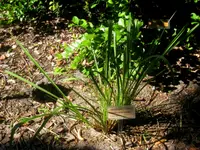
Every 3–4 years in late winter, remove 20–30% of the oldest, woodiest stems at ground level to keep the clump open, reduce self-shading, and maintain strong new growth.

Seed head management

If self-seeding is a concern, cut seed heads when they turn tan but before they shatter, which also reduces the weight on stems in windy sites.

Wind and snow support

In exposed or snowy locations, loosely tie several clumps together with a soft, wide tie at mid-height in late fall to reduce lodging and stem breakage without constricting growth.

Targeted weed suppression

While caring for eastern gamagrass in its first 1–2 years, maintain a 30–45 cm weed-free ring by shallow hand cultivation or a 5–8 cm organic mulch layer so young plants are not outcompeted for light and nutrients.

Common Pests and Diseases

Armyworms

This pest feeds on leaves and young shoots, creating ragged edges and sometimes chewing plants down to stems in patches. Symptoms include rapid defoliation in late spring or summer, often starting in irregular spots in the stand.

Solution

Monitor foliage regularly in warm months, especially after noticing moth activity, and treat early infestations with a targeted Bacillus thuringiensis (Bt) or spinosad product following label rates. Encourage natural predators by avoiding broad-spectrum insecticides nearby, mow heavily infested patches to remove larvae, and irrigate and fertilize moderately afterward to help plants regrow.

Grasshoppers

These insects chew irregular holes in leaves and can significantly thin stands during dry, hot periods when alternative vegetation is scarce. Symptoms include tattered foliage and visible insects jumping or flying when plants are disturbed.

Solution

Reduce tall weeds and dense vegetation along fencelines where grasshoppers shelter, and cover small plantings with mesh or row cover during peak pressure. In larger stands, use bait formulations labeled for grasshoppers applied along field margins, and maintain plant vigor through proper watering and fertilization to improve tolerance.

Leaf spot

This disease causes small tan to brown spots on leaves that may enlarge, coalesce, and lead to premature leaf death under warm, humid conditions. Symptoms include thinning foliage and a weathered, blighted appearance in affected patches.

Solution

Remove and destroy heavily infected leaf material and avoid overhead irrigation that keeps foliage wet for long periods. Improve air movement by avoiding overly dense plantings, rotate with non-grass species if possible, and apply a labeled grass fungicide only when leaf spotting is severe and conditions remain persistently humid.

Rust

This disease produces orange to brown powdery pustules on both sides of leaves that can rub off on fingers or clothing. Symptoms include yellowing foliage, reduced vigor, and in severe cases partial defoliation later in the season.

Solution

Select sunny, open sites with good airflow, thin overly dense stands, and avoid high nitrogen fertilization that encourages lush, susceptible growth. Remove and discard the most affected leaves or mow and collect residues when feasible, and consider a preventive fungicide labeled for rust on warm-season grasses where the disease recurs annually.

Smut

This disease distorts flower spikes and seed heads, replacing normal seed with dark, sooty fungal masses. Symptoms include misshapen inflorescences and reduced seed production in affected clumps.

Solution

Cut and remove infected seed heads as soon as they are noticed to limit spore spread, and avoid saving seed from affected plants. For long-term Tripsacum dactyloides care, maintain genetic diversity by planting certified clean seed or nursery stock, rotate planting areas when possible, and destroy severely affected plants if smut recurs year after year.

Interesting Facts

Ancient relative of corn

Genetic and fossil evidence shows that this species is a close wild relative of cultivated maize, and it has been used in breeding experiments to introduce stress tolerance traits into corn.

Deep soil engineer

The plant forms very deep and fibrous root systems that help stabilize stream banks, reduce soil erosion, and increase water infiltration in restored prairies and riparian areas.

Dual wildlife resource

Its dense clumps provide nesting cover for ground-nesting birds, while the large seedheads supply food for birds and small mammals in late summer and fall.

Botan icon

Did you know?

This warm-season grass can produce unusually large, corn-like seedheads on tall, fountain-shaped clumps, which has led to experimental use as a perennial grain candidate in some agroecology and sustainable agriculture research projects.

FAQs about eastern gamagrass

This species forms large clumps and can slowly expand outward, but it spreads mainly by short rhizomes and seed, not long runners. It is usually manageable in gardens if clumps are spaced and unwanted seedlings removed.

Grow Healthy Plants with Botan Care

Keep your plants happy and healthy with plant identification, disease detection, and easy care guidance.

Botan plant care app — identify plants on mobile

Explore More Plants