Stake Against Wind
In exposed sites, install 1–3 sturdy stakes on the windward side and tie clumps loosely with soft, wide ties to prevent wind rock and root disturbance as the plant matures.

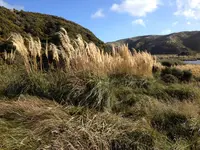
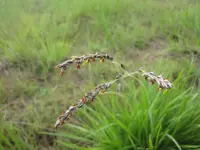
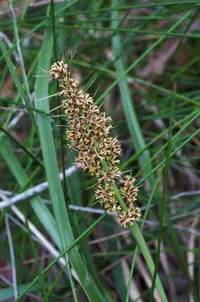
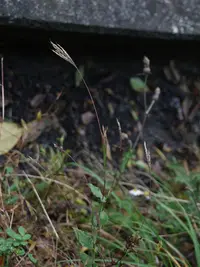
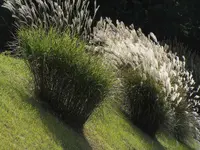
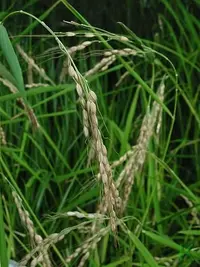
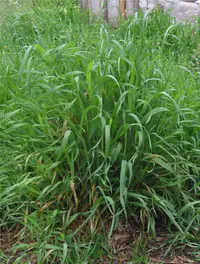
Austroderia toetoe, commonly called toetoe, is a large perennial grass forming dense clumps with tall, graceful flower plumes. It creates a striking vertical accent in open landscapes. Native to New Zealand, it typically grows in coastal areas, riverbanks, and open scrub where soils are often free-draining.
This species is generally robust and wind tolerant, but it needs enough space for its mature size. It suits low-maintenance gardens if planted in suitable conditions. To care for Austroderia toetoe, provide sun, moderate moisture, and soil that does not stay waterlogged.

Care Difficulty
Easy Care

Light Preference
Full Sun

Water Requirements
Moderate Water

Temperature Preference
Warm Climate

Hardiness Zone
8–11

Soil Texture
Sandy, Loamy, Organic-rich

Soil pH
Slightly acidic (6.5–7.0)

Soil Drainage
Moist but well-drained

Fertilization
Minimal (feed rarely)
Scan your plant to receive care tips personalized for your specific plant
Available on iOS and Android
This large clump-forming grass thrives in open, bright positions with plenty of direct sun.
This plant prefers moist but not waterlogged soil, especially while establishing in the first 1–2 years.
This robust grass handles a wide range of outdoor temperatures once established.
This grass tolerates a wide humidity range and rarely needs special humidity management outdoors.
This species prefers free-draining, moderately fertile soil that does not stay waterlogged.
This tall, clumping grass is only moderately suitable for containers and needs large, stable pots to perform well.
This hardy grass needs only light feeding in typical garden soil; overfertilizing can cause weak, floppy growth in Austroderia toetoe.
Pruning focuses on tidying and maintaining strong clumps rather than reshaping Austroderia toetoe.
This large tussock grass is usually grown in the ground; transplanting established Austroderia toetoe needs planning.
Propagation of Austroderia toetoe is most reliable by division, with seed used mainly for larger-scale or breeding work.
In mild to cool temperate climates, Austroderia toetoe is generally cold hardy and needs only modest winter care.

Plant Health Check
Not sure what's wrong with your plant? Check your plant's health inside the app.
This species is naturally restricted to New Zealand and often colonizes coastal dunes and river flats, helping stabilize loose, sandy soils with its dense, fibrous root system.
Although it resembles invasive South American pampas grasses (Cortaderia species), this native grass can be distinguished by its usually more drooping, creamy-yellow plumes and softer, less razor-sharp leaves.
Māori traditionally used the long, tough leaves for weaving, rope, and thatching, selecting this species where available because of its strong, durable leaf fibers.

Austroderia toetoe forms large, long-lived clumps that create important habitat structure in coastal ecosystems, providing shelter and nesting sites for invertebrates, lizards, and some ground-nesting birds in New Zealand’s dune and wetland margins.
This grass forms large clumps and can self-seed, so it gradually occupies more space over time. In suitable climates it may behave aggressively, so use root barriers, remove unwanted seedlings, and avoid planting near sensitive natural habitats.
Keep your plants happy and healthy with plant identification, disease detection, and easy care guidance.