harestail grass Care (Lagurus ovatus)

Also known as: Bunnytail Grass, Hare's Tail, Bunnie's Tails, Hare's Foot, Rabbit-Tail Grass
harestail grass

About harestail grass

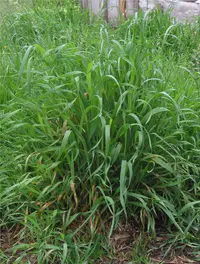
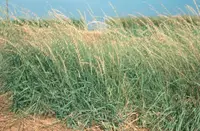
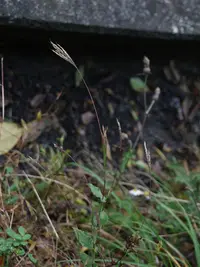
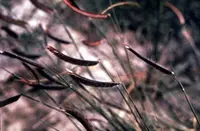
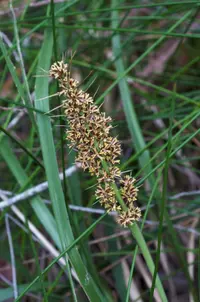
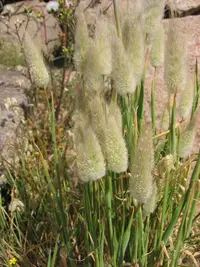
Harestail grass, Lagurus ovatus, is a small annual ornamental grass grown mainly for its soft, fluffy, tail-like flower heads. It forms compact clumps with narrow, pale green leaves and produces creamy, oval seed heads that dry well for arrangements.

This species is native to Mediterranean coastal regions but adapts to many mild climates when given full sun and well-drained soil. It suits borders, informal gardens, and containers, and is often used in dried flower crafts.

Fast growth and modest water needs make it straightforward for beginners who want to care for harestail grass. Once established, it generally tolerates lean soils and light drought better than heavy, wet conditions.

Main Plant Requirements

Care Difficulty

Easy Care

Light Preference

Full Sun

Water Requirements

Moderate Water

Temperature Preference

Warm Climate

Hardiness Zone

8–10

Soil Texture

Sandy, Loamy

Soil pH

Slightly acidic (6.5–7.0), Neutral (7.0)

Soil Drainage

Well-drained

Fertilization

Minimal (feed rarely)

Get Personalized Care Plan

Scan your plant to receive care tips personalized for your specific plant

Available on iOS and Android

How to Care for the harestail grass

Lagurus ovatus prefers bright, open conditions similar to coastal or meadow habitats.

  • Provide 6–8 hours of direct sun daily; morning and early afternoon sun produce dense, well-formed seed heads on harestail grass.
  • It tolerates light partial shade (3–4 hours sun), but plants become taller, looser, and may produce fewer flower spikes.
  • In very hot regions, protect from intense late-afternoon sun to reduce leaf scorch and drying; choose a site with full sun in spring and slightly filtered light in peak summer.

Lagurus ovatus prefers moderately dry, well-drained soil and does not thrive in soggy conditions.

  • Water when the top 3–5 cm of soil feel dry, then soak the root zone thoroughly, allowing excess to drain away.
  • During cool seasons and after establishment, reduce watering frequency; in hot, windy weather, monitor for wilting or very light, dusty soil as a cue to water.
  • Use free-draining, sandy or loamy soil to prevent root rot; yellowing, floppy foliage suggests overwatering, while crispy leaf tips and slow growth indicate underwatering.

This annual grass prefers mild to warm conditions and is sensitive to hard frost.

  • Optimal growth occurs around 60–75°F (16–24°C), which supports strong foliage and full seed head development.
  • Seeds and young plants dislike cold; avoid planting out until temperatures stay above 45–50°F (7–10°C) and danger of frost has passed.
  • Mature plants tolerate short heat spells up to about 90°F (32°C) if soil is not waterlogged, but prolonged frost below 32°F (0°C) will usually kill them.

Lagurus ovatus tolerates a wide humidity range and usually does not need special humidity management outdoors.

Lagurus ovatus prefers light, fast-draining soil that mimics its native coastal habitats.

  • Use sandy or sandy-loam soil with low to moderate organic matter to prevent waterlogging.
  • Ensure very free drainage; mix garden soil with coarse sand or fine grit at about 2:1 for containers.
  • Aim for slightly acidic to neutral pH around 6.0–7.5, avoiding strongly acidic or alkaline sites.
  • Avoid heavy clay or compacted soil; lighten dense ground with coarse sand and a small amount of compost to improve aeration.

This species grows well in containers when drainage and root space are managed carefully.

  • Choose a wider, shallow-to-medium depth pot to support the fibrous root system and spreading clumps without crowding.
  • Prefer a terracotta or other porous pot material if rainfall is frequent, as it helps excess moisture evaporate faster.
  • Place containers in a sheltered but bright spot so tall seed heads are not toppled by strong winds that can tip lightweight pots.

Lagurus ovatus grows well in average soil and needs only light feeding for best performance.

  • Use a balanced, diluted liquid fertilizer (such as 10-10-10 at 1/2 strength) for container plants during active growth.
  • Apply every 4–6 weeks in spring and summer; skip feeding for in-ground plants in fertile garden soil.
  • Reduce or stop fertilizing in fall and winter when growth slows or stops.
  • Compost or a mild slow-release fertilizer can be mixed into the potting mix at planting for season-long support.

Lagurus ovatus benefits from light, timely pruning to maintain neat clumps and strong flowering.

  • In late winter or very early spring, cut back old, straw-colored foliage to a few cm above soil level.
  • Remove dead, damaged, or lodging stems during the season with clean scissors or hand pruners.
  • Deadhead spent flower heads if self-seeding is not desired, or leave some for ornamental and wildlife value.
  • Thinning crowded stems slightly improves air movement and keeps the tufted shape defined.

This annual ornamental grass is more often sown or transplanted than long-term potted, so disturbance is minimal.

  • Transplant Lagurus ovatus seedlings outdoors in spring after frost, when they have 2–3 true leaves.
  • Move pot-grown plants only if roots circle the container or growth stalls, typically once per season at most.
  • Shift into a container 2–4 cm wider, using free-draining mix, and handle the root ball gently to limit stress.
  • Water well after transplanting, then keep evenly moist and shaded from intense sun for 2–3 days while roots re-establish.

Lagurus ovatus is commonly propagated from seed, which gives the most reliable and uniform results.

  • Sow seeds in late winter to spring under cover, or directly outdoors after frost has passed.
  • Use a light, free-draining seed mix, press seeds onto the surface, and barely cover, as light aids germination.
  • Maintain 60–70°F, even moisture, and gentle airflow; seedlings usually emerge in 7–21 days.
  • Thin or prick out seedlings once they have 2 true leaves, spacing to prevent crowding and weak growth.

Lagurus ovatus is usually grown as an annual and needs little winter care in most climates.

  • In mild areas, leave seed heads standing through winter for structure and wildlife interest, then cut back in late winter.
  • In cold regions, plants typically die after frost; collect seed in fall if re-sowing is desired.
  • Container plants can be discarded after seed collection and replaced from fresh seed next season.

Care Tips

Staggered Succession Sowing

Sow small batches every 2–3 weeks in spring to keep a continuous display of fresh flower heads rather than one short flush.

Selective Spike Harvesting

Cut seed heads just as they feel firm and before they fully brown, leaving some stems to mature for self-seeding and future crops.

Low-Wind Positioning

Plant in a spot with light to moderate air movement so the stems strengthen without being flattened by strong, persistent wind.

Dense Drift Planting

Space plants more closely than usual in borders or containers to create a fuller drift that supports itself and reduces lodging of individual stems.

Careful Drying Technique

For dried arrangements, bundle stems loosely and hang them upside down in a dry, shaded, well-ventilated place to preserve color and shape when growing harestail grass for cut use.

Common Pests and Diseases

Leaf spot fungi

This disease causes small brown to tan spots on leaves and bracts that may coalesce in humid, crowded plantings. Symptoms include patchy discoloration and premature drying of foliage, especially after wet weather or overhead watering.

Solution

Remove and discard affected leaves to reduce spore spread, then improve air circulation by thinning dense clumps and avoiding overhead irrigation. Water at soil level in the morning and, in persistent cases, apply a labeled ornamental grass fungicide following local guidelines as part of broader Lagurus ovatus care instructions.

Powdery mildew

This disease appears as a white, dusty coating on leaves and stems, often in late summer when nights are cool and air circulation is poor. Symptoms include distorted new growth and a dull, grayish cast on foliage.

Solution

Increase spacing between plants and trim surrounding vegetation to improve airflow, and avoid wetting foliage late in the day. Remove heavily infected leaves or seed heads and, if needed, use a sulfur or potassium bicarbonate fungicide labeled for ornamental grasses, applied according to directions.

Aphids

These insects cluster on tender stems and undersides of leaves, sucking sap and causing curling, yellowing, or stunted growth. This pest also excretes sticky honeydew that can encourage sooty mold on nearby surfaces.

Solution

Spray plants with a strong stream of water to dislodge colonies, then repeat every few days as needed. For persistent infestations, treat with insecticidal soap or a light horticultural oil, targeting the undersides of leaves and young stems while avoiding applications during high heat.

Grasshoppers

These insects chew irregular holes in leaves and may clip off soft stems, leaving a ragged appearance to the foliage. Damage is often worse during warm, dry periods and in more open, meadow-style plantings.

Solution

Hand-pick visible insects in small gardens and reduce nearby tall weeds that provide shelter. Where damage is severe, use physical barriers such as fine mesh or floating row covers around young clumps, and consider targeted baits or biological controls approved for ornamental grasses if local pressure is very high.

Interesting Facts

Soft, hairy flower heads

The characteristic bunny tail appearance comes from dense, silky hairs covering the spikelets, which protect the developing florets and help the seeds disperse more effectively by wind and animal fur attachment.

Mediterranean coastal origin

This species is native to coastal regions around the Mediterranean, where it is adapted to sandy, nutrient-poor soils and seasonal drought, which explains its good performance in dry, well-drained garden sites.

Self-seeding ornamental grass

In mild climates, plants often complete their life cycle in 1 year but shed abundant viable seed, allowing new seedlings to appear the following season without replanting, especially in lightly disturbed sandy or gravelly soils.

Botan icon

Did you know?

In several coastal regions outside its native range, including parts of Australia and New Zealand, Lagurus ovatus has naturalized and is sometimes considered an environmental weed because its self-sown populations can spread into open dune and grassland habitats and compete with native plant species.

FAQs about harestail grass

This species is usually grown as a cool-season annual ornamental grass. In mild, frost-free climates it may behave as a short-lived perennial, but most gardeners re-sow each year for best flowering and foliage quality.

Grow Healthy Plants with Botan Care

Keep your plants happy and healthy with plant identification, disease detection, and easy care guidance.

Botan plant care app — identify plants on mobile

Explore More Plants