Mow Before Seeding
Cut or graze stands just before seed heads fully emerge to reduce self-seeding and maintain a denser, more vegetative sward for forage or groundcover use.

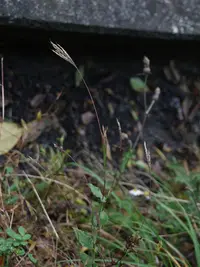
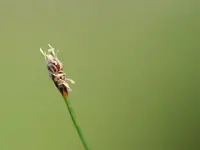
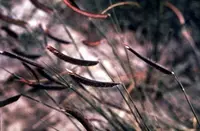
Small carpgrass, Arthraxon hispidus, is a low, spreading annual grass that often forms dense patches in moist, open areas. It has softly hairy leaves and stems, with small, somewhat flattened flower spikes.
This species is native to parts of Asia but has become naturalized in many warm and temperate regions, including parts of North America, where it often grows in ditches, stream banks, and damp lawns. It tends to establish quickly in disturbed, wet sites, which can make it weedy in some landscapes.
For those who want to care for small carpgrass as a niche ornamental or habitat plant, it generally prefers consistent moisture, full sun to light shade, and fertile, moderately heavy soils.

Care Difficulty
Easy Care

Light Preference
Partial Sun

Water Requirements
Regular Water

Temperature Preference
Warm Climate

Hardiness Zone
6–11

Soil Texture
Loamy, Silty, Organic-rich

Soil pH
Acidic (5.5–6.5), Slightly acidic (6.5–7.0)

Soil Drainage
Moist but well-drained

Fertilization
Minimal (feed rarely)
Scan your plant to receive care tips personalized for your specific plant
Available on iOS and Android
This warm-season grass prefers bright, indirect conditions with some direct sun each day.
This species prefers consistently moist soil but does not tolerate stagnant water.
This warm-season grass grows best in mild to warm conditions and is sensitive to hard frost.
Arthraxon hispidus tolerates a wide humidity range but grows best with moderate ambient moisture.
This grass prefers moist, well-aerated mineral soils that do not stay waterlogged.
This species can be grown in containers if the pot supports its shallow, spreading root system and moisture needs.
Arthraxon hispidus is a low-nutrient grass that usually needs only modest feeding, especially in poor or disturbed soils.
Pruning Arthraxon hispidus is mainly about tidying growth and limiting spread rather than shaping.
This grass is usually field-grown; small carpgrass indoor care or container culture is uncommon, so focus on transplanting clumps outdoors.
Arthraxon hispidus spreads readily by seed and short runners, so propagation focuses on controlled seeding or clump division.
This annual or short-lived grass generally needs no special winter care, as aboveground parts usually die back after frost.

Plant Health Check
Not sure what's wrong with your plant? Check your plant's health inside the app.
This annual grass often develops reddish or purplish tinges in its leaves and stems late in the growing season, creating a distinct patchwork of color in moist fields and ditches.
It is strongly associated with damp, periodically flooded sites such as stream edges, rice paddies, and wet meadows, where its shallow root system can rapidly exploit surface moisture.
Although native to parts of Asia, it has become naturalized and locally invasive in several regions, including parts of the eastern United States, where it can form dense stands that outcompete low-growing native plants.
This species spreads by seed and short, rooting stems, often forming dense patches in moist, disturbed ground. In suitable conditions it can behave aggressively, so monitor edges, remove unwanted seedlings, and mow or trim before seeds mature.
Keep your plants happy and healthy with plant identification, disease detection, and easy care guidance.