Early stand management
When seedlings reach 5–10 cm, walk the planting area and rogue out weak, off-type, or diseased plants so the remaining stand is uniform and better resistant to lodging and pests.

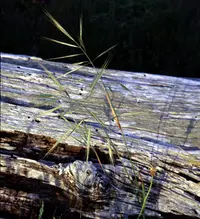
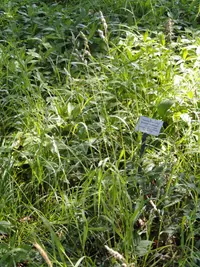
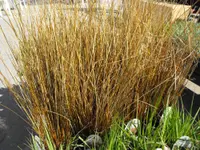
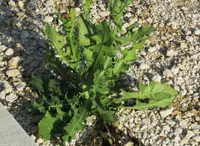
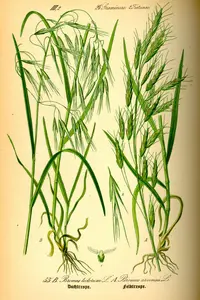
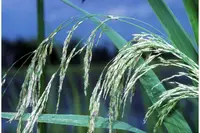
Ripgut brome (Bromus diandrus) is an annual grass known for its tall, upright growth and sharply barbed seed heads. It often forms loose clumps and can look similar to other weedy grasses.
This species is native to the Mediterranean region but is now widespread in disturbed areas, pastures, and roadsides across many temperate regions, including parts of North America. Its barbed awns easily attach to animals and clothing, helping it spread rapidly.
Ripgut brome grows readily in poor, dry soils and full sun, which makes it easy to establish but also invasive in some areas. Anyone looking to care for ripgut brome should understand its aggressive seeding and potential to outcompete other plants.

Care Difficulty
Easy Care

Light Preference
Full Sun

Water Requirements
Low Water

Temperature Preference
Cool Climate

Hardiness Zone
6–10

Soil Texture
Sandy, Loamy, Clay

Soil pH
Slightly acidic (6.5–7.0), Slightly alkaline (7.0–7.5)

Soil Drainage
Well-drained

Fertilization
Minimal (feed rarely)
Scan your plant to receive care tips personalized for your specific plant
Available on iOS and Android
This annual grass prefers open, bright conditions typical of sunny, disturbed sites.
This species is adapted to dry, seasonal climates and performs best with infrequent but deep moisture.
This cool-season annual grass is adapted to mild, wet winters and warm, dry summers.
Humidity is not a significant factor for Bromus diandrus, which naturally tolerates dry, open habitats and typical outdoor air in most regions.
Bromus diandrus grows best in loose, well-drained mineral soils that do not stay wet for long after rain or irrigation.
This grass is not ideal for long-term container growing, but short-term pots are possible for study, display, or temporary culture.
Bromus diandrus is usually grown without supplemental feeding, but light fertilization can support establishment in very poor soils when caring for ripgut brome.
Pruning Bromus diandrus is mainly about managing dead growth and limiting unwanted spread rather than shaping the plant.
This annual grass is rarely kept long-term in containers, so management focuses on field transplanting or reseeding rather than repotting.
Bromus diandrus is most commonly propagated by seed, reflecting its natural life cycle as an annual grass.
As a cool-season annual, Bromus diandrus usually requires no special winter care once it has set seed and died back.

Plant Health Check
Not sure what's wrong with your plant? Check your plant's health inside the app.
The long awns on its spikelets are stiff and barbed, which helps the seeds attach to animal fur and clothing, making this species an efficient hitchhiker in disturbed landscapes.
In many Mediterranean-climate regions, this grass behaves as a winter annual, germinating with autumn rains, growing through cool seasons, then setting seed and dying back as conditions become hot and dry.
In parts of California and Australia, dense stands increase fine fuel loads and can promote more frequent or intense wildfires, which in turn favor its own re-establishment over some native perennial grasses.
This grass self-seeds heavily and spreads quickly, especially in disturbed or overgrazed areas. It can form dense stands that outcompete other species, so regular removal of seed heads and young seedlings is important to limit spread.
Keep your plants happy and healthy with plant identification, disease detection, and easy care guidance.