Seasonal hard cutback
Every 2–3 years in late winter, shear the clump back to 5–8 cm above the crown to remove old, tangled foliage and stimulate dense, fresh growth in spring.

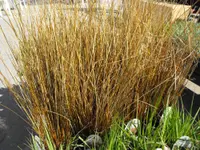
Carex buchananii, often called leatherleaf sedge or red tussock sedge, is a clump-forming ornamental grass-like plant. It is valued for its fine, upright blades in copper to bronze tones that arch slightly at the tips.
This sedge is native to New Zealand, where it grows in open, often exposed habitats. In gardens and containers it provides color and texture year-round, especially in modern or minimalist plantings.
It is generally considered easy to grow, as long as the soil drains well and the plant is not kept waterlogged. Understanding how to care for Carex buchananii starts with providing good light, moderate moisture, and avoiding very rich, heavy soils.

Care Difficulty
Easy Care

Light Preference
Full Sun

Water Requirements
Moderate Water

Temperature Preference
Cool Climate

Hardiness Zone
6–9

Soil Texture
Sandy, Loamy, Organic-rich

Soil pH
Acidic (5.5–6.5), Slightly acidic (6.5–7.0)

Soil Drainage
Moist but well-drained

Fertilization
Minimal (feed rarely)
Scan your plant to receive care tips personalized for your specific plant
Available on iOS and Android
This grass prefers bright outdoor conditions with gentle sun exposure rather than intense midday heat.
This sedge favors consistently moist but not waterlogged soil, especially during active growth.
This cool-tolerant grass handles a wide range of outdoor temperatures once established.
This grass handles a wide humidity range and usually does not need special adjustment outdoors.
Carex buchananii prefers moderately fertile, moist but sharply drained soil with steady aeration.
This species is well suited to container growing for ornamental foliage displays.
This grass grows well in average soil and needs only modest feeding to stay healthy.
Carex buchananii benefits from light, periodic pruning to keep the clump tidy and healthy.
This sedge is usually grown in the ground, but containers and crowded clumps sometimes need attention.
Carex buchananii is most reliably propagated by division rather than seed in home gardens.
This ornamental sedge is generally cold hardy in temperate climates and needs only modest winter care.

Plant Health Check
Not sure what's wrong with your plant? Check your plant's health inside the app.
The characteristic copper to cinnamon foliage of Carex buchananii is natural, not a sign of stress, and results from pigments that reduce light damage and water loss in its native sunny, often windy New Zealand habitats.
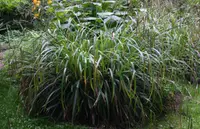
Unlike many sedges that flop or spread quickly, this species forms narrow, upright, fountain-like clumps with arching, threadlike leaves that give a fine-textured, almost hairlike appearance in planting designs.
Young plants often emerge greener and gradually turn copper as they mature, so growers may see a noticeable color transition during the first growing seasons.
Brown tips usually result from dry air, irregular watering, or excess fertilizer salts. Improve watering consistency, flush the soil occasionally, and avoid high-nitrogen feed. Wind scorch and strong afternoon sun can also dry and brown the fine foliage.
Keep your plants happy and healthy with plant identification, disease detection, and easy care guidance.