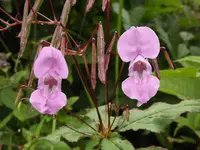
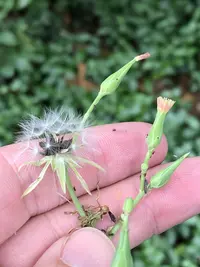
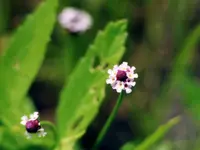
achicoria azul Care (Launaea intybacea)

achicoria azul

About achicoria azul

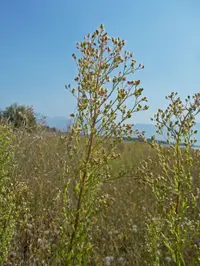
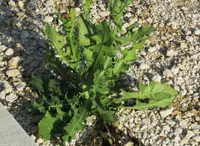
Achicoria azul, Launaea intybacea, is a herbaceous plant from coastal and dry tropical regions, especially in parts of Africa, Asia, and the Middle East. It often grows as a low, branching weed in sandy or disturbed soils.

The plant typically has narrow leaves and small yellow flower heads, despite the common name suggesting blue. It is adapted to heat, sun, and relatively poor, dry soils, which makes it resilient in tough conditions.

Because it tolerates drought, sun, and low fertility, it is not difficult to grow where the climate is warm. Understanding this natural toughness helps guide how to care for achicoria azul, especially in dry or coastal gardens.

Main Plant Requirements

Care Difficulty

Moderate Care

Light Preference

Full Sun

Water Requirements

Moderate Water

Temperature Preference

Warm Climate

Hardiness Zone

10–12

Soil Texture

Sandy, Loamy, Organic-rich

Soil pH

Slightly acidic (6.5–7.0), Neutral (7.0)

Soil Drainage

Well-drained

Fertilization

Minimal (feed rarely)

Get Personalized Care Plan

Scan your plant to receive care tips personalized for your specific plant

Available on iOS and Android

How to Care for the achicoria azul

This coastal species prefers strong light and copes well with open, sunny sites.

  • Provide 6–8 hours of direct sun daily, ideally with morning sun and some light afternoon shade in very hot inland areas.
  • Tolerates partial shade (3–4 hours of direct sun) but stems may elongate and flowering may decrease if light stays low for weeks.
  • In long, intense summer sun, achicoria azul can show leaf scorch or bleaching; in winter, choose the brightest, least shaded position available.

This plant is drought-tolerant once established and prefers soil that dries slightly between waterings.

  • Outdoors in the ground, water deeply only when the top 5–7 cm of soil are dry and leaves begin to lose slight firmness or curl at the edges.
  • Use fast-draining, sandy or gravelly soil so water drains within minutes; persistent surface wetness or a sour smell indicates overwatering and poor aeration.
  • In cooler seasons or during prolonged cloudy weather, extend the interval between waterings to prevent root rot, while in hot, windy periods expect noticeably quicker drying.

This warm-climate species prefers mild to hot conditions and does not tolerate frost.

  • Aim for 70–86°F (21–30°C) for fastest growth, though it remains functional from about 60–90°F (16–32°C).
  • Plant growth slows below 55°F (13°C), and foliage can be damaged as temperatures approach 40°F (4°C); hard frost can kill aboveground parts.
  • In very hot spells above 95°F (35°C), provide some afternoon shade and ensure soil does not stay waterlogged, which increases heat stress and root decline.

This species handles a wide range of humidity and usually does not need special adjustment indoors.

  • Target 30–50% humidity, similar to most heated or air-conditioned homes, which suits achicoria azul well.
  • It tolerates dry air but leaf edges may brown and tips curl slightly if humidity stays below 30% for long periods.
  • Increase humidity only if you see stress by grouping plants together or placing the pot near, not on, a pebble tray.

This plant prefers light, well-draining mineral soils that do not stay wet for long.

  • Use a sandy or sandy-loam mix with 30–50% coarse sand plus 20–30% perlite to keep the root zone airy.
  • Aim for slightly acidic to neutral pH around 6.0–7.0, which supports balanced nutrient availability for Launaea intybacea.
  • Incorporate a modest amount of mature compost or leaf mold, about 10–20%, to add nutrients without making the mix heavy.
  • Avoid dense clay, peat-heavy mixes that stay soggy, or compacted ground, since these promote root rot and weak growth.

This species is suitable for container growing when the pot is chosen to protect its deep-feeding roots and fast drainage needs.

  • Select a pot at least 25–30 cm deep so the taproot can extend downward without circling tightly near the base.
  • Choose a relatively narrow but deep container to limit top-heavy wind rock while still allowing vertical root development.
  • Use a lightweight but rigid pot material so the container is easy to move yet stable enough not to tip in strong gusts.

Launaea intybacea benefits from modest feeding in lean soils but often manages with minimal inputs in fertile ground.

  • Use a light application of balanced NPK granular fertilizer or well-rotted compost at the start of the warm growing season.
  • In poor soils, repeat feeding every 6–8 weeks, keeping total rates low to avoid overly lush, weak growth.
  • Apply liquids at 1/2 strength on moist soil to reduce root burn risk, then water lightly to distribute nutrients.
  • During cooler dormant periods, skip feeding and allow the plant to rest, especially in regions with mild winters.

Launaea intybacea responds well to light, targeted pruning that maintains vigor and access around the plant.

  • Carry out main pruning in late winter or early spring before strong new growth begins.
  • Remove dead, damaged, or diseased stems first, then thin crowded shoots to improve air flow and light penetration.
  • Use clean, sharp hand pruners and make cuts just above a node or branching point to guide new growth.
  • Limit pruning to shaping and clearance; heavy cutting can reduce flowering and stress the plant.

This species is usually grown in open ground, so management focuses on careful transplanting rather than frequent repotting.

  • Transplant young plants in early spring or early fall when temperatures are mild and soil is workable.
  • Look for roots filling starter cells, slow growth, or plants drying out quickly as signs they are ready to move up.
  • Shift into a slightly larger hole or container, keeping the root ball intact and setting the crown at original soil level.
  • Water deeply after transplanting, shade for a few days if conditions are hot, and keep soil evenly moist until re-established.

New plants are most reliably produced from seed, which suits both small-scale gardens and naturalized plantings.

  • Sow fresh seeds in late winter to early spring in trays or directly outdoors once soil is workable.
  • Provide bright light, a free-draining substrate, and consistent moisture; aim for 60–75°F for good germination.
  • Cover seeds lightly, as very deep sowing can reduce emergence, and keep the surface from drying out completely.
  • For more controlled Launaea intybacea plant care, thin or transplant seedlings to final spacing once they have 2–3 true leaves.

In mild to warm climates, Launaea intybacea usually needs little specific winter care beyond basic soil management.

  • In regions with light frost, apply a 3–5 cm mulch around the root zone to buffer temperature swings.
  • Avoid waterlogged soil in winter; improve drainage so roots do not sit in cold, saturated conditions.
  • Container-grown plants in marginal climates can be moved to a bright, frost-free spot if hard freezes are expected.

Care Tips

Managed self-seeding

Allow a few healthy plants to flower and set seed in a defined patch, then thin excess seedlings early so stands stay productive without becoming invasive when growing achicoria azul.

Controlled cutting cycles

Use a cut-and-come-again approach, harvesting foliage lightly every 2–3 weeks and rotating sections, which encourages tender regrowth while preventing plants from exhausting their root reserves.

Heat-season adjustment

In hot seasons, provide light shade and slightly increase harvest frequency to keep plants from bolting too quickly and to maintain leaf quality for a longer period.

Targeted pest scouting

Inspect the undersides of leaves every few days for aphids, leaf miners, and chewing damage, and remove localized infestations early by hand or with a strong water spray before considering any treatments.

Soil surface management

Apply a thin, loose organic mulch layer around but not touching the crowns to reduce weed pressure, maintain more even soil moisture, and keep lower leaves cleaner for harvest.

Common Pests and Diseases

Leaf-mining flies

This pest creates narrow, winding tunnels inside the leaves, which can reduce photosynthesis and weaken the plant. Symptoms include pale, serpentine trails and blotches between the leaf veins.

Solution

Remove and destroy affected leaves as soon as mines are noticed to break the life cycle, and keep nearby weeds trimmed to reduce host plants for the flies. For heavier infestations, use a neem oil or spinosad leaf spray, focusing on young foliage and repeating every 7–10 days as needed.

Aphids

These insects cluster on tender shoot tips and undersides of leaves, sucking sap and causing curling, distortion, and sticky honeydew deposits. Sooty mold can develop on the honeydew, further reducing leaf vigor.

Solution

Wash colonies off with a strong but controlled stream of water, then treat remaining insects with insecticidal soap or neem oil, ensuring full coverage of leaf undersides. Encourage natural predators such as lady beetles by avoiding broad-spectrum insecticides in the surrounding area when growing achicoria azul.

Powdery mildew

This disease causes a white to gray powdery coating on both sides of leaves, especially in warm, dry air with poor air movement. Affected foliage can yellow and age prematurely, reducing plant vigor and seed production.

Solution

Improve air circulation by reducing overcrowding and avoiding overhead watering in the evening, and promptly remove heavily infected leaves. For recurring problems, apply a sulfur, potassium bicarbonate, or neem-based fungicide according to label directions at the first sign of spots.

Alternaria leaf spot

This disease produces small, dark, circular lesions that often develop concentric rings and a yellow halo on older leaves. Severe infections can cause premature leaf drop and weaken stands in field or garden plantings.

Solution

Remove and discard infected leaves and plant debris, and avoid wetting the foliage late in the day to limit leaf wetness duration. If the problem persists in the same site, rotate out of Asteraceae crops for at least 2–3 years and apply a copper-based fungicide preventively during warm, humid periods.

Interesting Facts

Coastal sand specialist

This species commonly grows on sandy seashores and dunes, where its deep, somewhat fleshy root system helps stabilize loose coastal soils under salty sea-breeze conditions.

Bitter salad green

In parts of India it is collected from the wild as a leafy vegetable and eaten cooked, where the mild bitterness is appreciated in traditional dishes.

Milky latex producer

Like many members of the Asteraceae family, it exudes a white, milky latex when cut, which helps seal wounds and may deter some herbivores.

FAQs about achicoria azul

Brown leaf tips or edges usually come from drought stress, excess heat, or wind scorch. Consistent moisture without waterlogging, light mulching, and protection from strong, dry winds help prevent tissue drying and subsequent browning on this species.

Grow Healthy Plants with Botan Care

Keep your plants happy and healthy with plant identification, disease detection, and easy care guidance.

Botan plant care app — identify plants on mobile

Explore More Plants