lanceleaf fogfruit Care (Phyla lanceolata)

lanceleaf fogfruit

About lanceleaf fogfruit

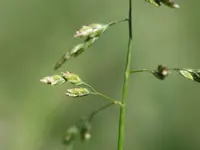
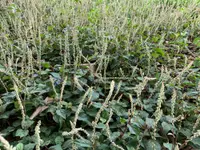
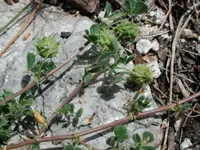
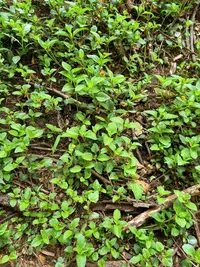
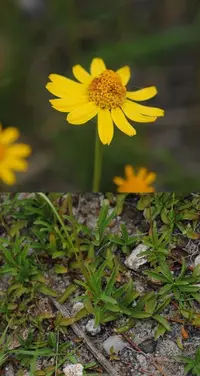
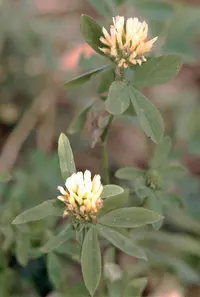
Lanceleaf fogfruit (Phyla lanceolata) is a low, spreading perennial herb in the verbena family, often used as a groundcover. It forms dense mats of narrow, lance-shaped leaves with small, cylindrical flower spikes that attract bees and other pollinators in summer.

This species is native to North America and typically grows in moist, open habitats such as stream edges, wet meadows, and ditches. It tends to be resilient once established, spreading by creeping stems and filling gaps between other plants.

It prefers full sun to light shade, consistently moist soil, and can tolerate occasional flooding. These traits make it relatively easy to care for lanceleaf fogfruit in suitable outdoor conditions.

Main Plant Requirements

Care Difficulty

Easy Care

Light Preference

Full Sun

Water Requirements

Regular Water

Temperature Preference

Cold Hardy

Hardiness Zone

3–8

Soil Texture

Sandy, Loamy, Clay

Soil pH

Slightly acidic (6.5–7.0), Neutral (7.0)

Soil Drainage

Waterlogged tolerant

Fertilization

Minimal (feed rarely)

Get Personalized Care Plan

Scan your plant to receive care tips personalized for your specific plant

Available on iOS and Android

How to Care for the lanceleaf fogfruit

This sun-loving native groundcover performs best with sustained direct light but tolerates partial shade.

  • Provide 6–8 hours of direct sun daily, with morning sun and light afternoon shade ideal in hot summers to reduce leaf scorch.
  • In partial shade, aim for at least 3–4 hours of direct or strong filtered sun; flowering and density of lanceleaf fogfruit decline with less light.
  • In cooler seasons, full sun exposure is preferred, while in midsummer consider light shade during 1–4 p.m. in very hot climates to limit heat stress.

This species prefers consistently moist soil but withstands short dry spells once established.

  • Allow the top 2–3 cm of soil to dry slightly between natural rain events or irrigations, then water enough to moisten the root zone without creating puddles.
  • Use soil that drains well yet holds moisture; prolonged saturation leads to yellowing leaves, soft stems, and algae or moss on the surface.
  • Increase water during hot, windy periods when foliage wilts or leaves feel limp by midday; reduce frequency in cool seasons, watching for crisp, browning leaf edges as a sign of underwatering in Phyla lanceolata.

This hardy North American perennial tolerates a wide range of outdoor temperatures with best growth in warm conditions.

  • Optimal growth occurs around 70–85°F (21–29°C), when stems spread quickly and flowering is most active.
  • Mature plants survive down to about 0°F (−18°C) in many regions; top growth may die back after hard frost, then resprout from roots in spring.
  • Heat tolerance is good up to about 95°F (35°C) if soil stays moist; extended extremes above this, combined with drought, cause leaf scorch and reduced flowering.

Humidity plays a minor role for Phyla lanceolata, which is adapted to a wide outdoor range.

Soil choice strongly affects growth and spread of this moisture-loving species.

  • Use a loamy or silty soil with moderate organic matter that stays evenly moist but not stagnant.
  • Aim for slightly acidic to neutral pH, roughly 6.0–7.2, which supports root activity and nutrient uptake.
  • Improve drainage and aeration in heavier ground by mixing in coarse sand and fine gravel or perlite before planting.
  • Avoid compacted clay, waterlogged depressions, or extremely dry, sandy sites that alternate between drought and flooding.

This species can be grown in containers if moisture is managed carefully.

  • Choose a wide, shallow container to accommodate its creeping stems and surface-rooting habit without crowding.
  • Use a heavier pot material such as ceramic or clay to reduce tipping as the mat-forming foliage spreads over the rim.
  • Elevate the pot slightly on feet or bricks so drainage holes stay clear and excess water escapes quickly after rainfall or irrigation.

This native groundcover grows well in average soil and usually needs only light feeding for healthy growth.

  • If growth is weak or foliage pales, apply a balanced NPK fertilizer at 1/2 strength once in late spring and again mid-summer.
  • Alternatively, use a thin topdressing of compost around plants in spring to support soil life and steady nutrient release.
  • In poor or sandy soils, a slow-release, balanced granular fertilizer can be used once per growing season.
  • Do not feed lanceleaf fogfruit in late fall or winter, when the plant is dormant or growth has stopped.

Phyla lanceolata responds well to light pruning that maintains a low, dense mat and encourages fresh growth.

  • Best time for structural pruning is early spring, after the risk of hard frost, before vigorous new growth begins.
  • Use clean hand pruners or scissors to remove dead, damaged, or winter-burned stems at the base.
  • Shear or pinch back overly long, tangled, or crowded runners to keep edges tidy and improve air circulation.
  • Light pruning after main flowering can promote a neater habit and encourage additional blooming shoots.

This species is more commonly transplanted outdoors than grown long term in containers.

  • Transplant in spring or early fall, when temperatures are mild and soil is workable, to reduce stress.
  • Move plants when growth slows, mats become overly dense, or roots circle inside a small container or plug tray.
  • Lift clumps with a trowel, keeping a generous soil ball around the roots, and replant at the same depth in moist soil.
  • Water thoroughly after transplanting, shade for a few days in hot weather, and keep soil evenly moist until new growth appears.

Phyla lanceolata spreads readily and is commonly propagated vegetatively for groundcover use.

  • Take 5–8 cm stem cuttings in late spring or summer, removing lower leaves and pressing nodes into moist, loose soil.
  • Encourage natural layering by pinning trailing stems to the soil surface; once rooted, cut and replant sections.
  • Divide small clumps in early spring or early fall, keeping roots shaded and moist during the process.
  • Seeds can be sown on the soil surface in spring; keep evenly moist and provide full sun to light shade for germination.

This hardy perennial usually needs minimal winter care in most temperate climates.

  • Established plants tolerate typical frost and freezing down to at least USDA zone 4–5 without special protection.
  • Allow top growth to die back naturally; it insulates the crown and can be trimmed in early spring.
  • In exposed or very cold sites, apply a 3–5 cm mulch layer around the root zone after soil cools but before deep freeze.
  • For containers in colder regions, move pots to a sheltered, unheated area and water sparingly to keep soil just barely moist.

Care Tips

Encourage Dense Mats

Mow or shear lightly to 5–8 cm after flowering flushes to encourage denser, lower growth and reduce competition from taller weeds when growing lanceleaf fogfruit as a groundcover.


Edge Containment Strategy

Install a shallow physical barrier 5–8 cm deep along beds and paths, and trim back runners monthly in the growing season to keep this spreading plant from encroaching into lawn or adjacent plantings.

Runners For Propagation

Peg down vigorous runners with small landscape staples or U-shaped wire where you want new coverage, then sever them from the mother plant once rooted to expand the groundcover efficiently without transplant shock.

Targeted Weed Management

Hand-weed early in the season, removing deep-rooted invaders before the Phyla mat closes, and avoid broadleaf herbicides that can damage the foliage and thin the groundcover.

Pollinator-Friendly Mowing

Time mowing or trimming between main flowering peaks, leaving at least 5–7 days with open blooms, to support pollinators while still keeping the planting neat when caring for lanceleaf fogfruit.

Common Pests and Diseases

Leaf spot

This disease causes small brown or tan spots on leaves that may merge into larger patches, especially in humid conditions or dense groundcover patches.

Solution

Remove and discard heavily spotted leaves, then thin crowded growth to improve air circulation and reduce leaf wetness duration; if the problem recurs in very wet areas, consider reducing overhead irrigation and use a coarse mulch to limit soil splash onto foliage as part of broader Phyla lanceolata care instructions.

Powdery mildew

This disease produces a white to gray, powdery coating on upper leaf surfaces and young stems, which can lead to distorted growth and reduced vigor in shaded or crowded plantings.

Solution

Improve sun exposure and airflow by trimming back dense surrounding vegetation, water at soil level rather than overhead, and remove the most affected shoots; in persistent cases, apply a labeled low-impact fungicide such as sulfur or potassium bicarbonate, following local guidelines.

Aphids

These insects cluster on young stems and undersides of leaves, sucking sap and causing curling, yellowing, and sticky honeydew that can attract sooty mold on spreading mats.

Solution

Spray plants with a strong stream of water to dislodge colonies, then monitor regularly and, if needed, apply insecticidal soap or a light horticultural oil, ensuring thorough coverage of leaf undersides while avoiding applications during hot, direct sun.

Spider mites

These pests thrive in hot, dry conditions and cause fine stippling, bronzing, and occasional webbing on the foliage, which can make groundcover patches look dull and weakened.

Solution

Increase humidity around the planting if possible, rinse foliage with water to knock down populations, and use insecticidal soap or horticultural oil targeted at the undersides of leaves, repeating treatments as needed according to label directions.

Rust

This disease leads to small orange, yellow, or brown pustules on leaf undersides with corresponding pale spots above, which can cause premature leaf drop under prolonged wet conditions in low-lying sites.

Solution

Remove and discard infected leaves to reduce spore load, avoid frequent overhead watering, and improve drainage or site airflow; where rust is chronic and severe, consider rotating plantings or using a registered fungicide in accordance with local regulations.

Interesting Facts

North American native range

This species is native to much of eastern and central North America, where it typically occurs in moist prairies, wet meadows, ditches, and along stream banks rather than in dry upland habitats.

Important pollinator resource

Its small, dense flower heads provide nectar to a wide range of pollinating insects, including bees, flies, and small butterflies, especially in midsummer when some other low-growing nectar sources are limited.

Creeping mat-forming habit

Lanceleaf fogfruit spreads by stolons (above-ground runners) that root at the nodes, forming low, dense mats that can stabilize soil in wet or periodically flooded sites.

FAQs about lanceleaf fogfruit

This species spreads by creeping stems that root at the nodes, forming a dense mat. In moist, open soil it can expand quickly, so edging, regular trimming, or barriers help prevent it from overtaking nearby planting areas.

Grow Healthy Plants with Botan Care

Keep your plants happy and healthy with plant identification, disease detection, and easy care guidance.


Botan plant care app — identify plants on mobile

Explore More Plants