Tifton burclover Care (Medicago rigidula)

Also known as: tifton medick
Tifton burclover

About Tifton burclover

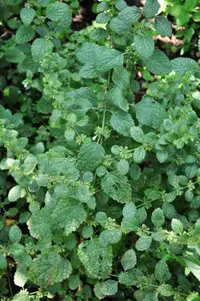
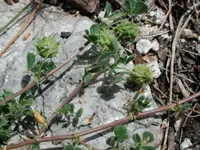
Tifton burclover (Medicago rigidula) is a small annual legume often found in pastures, roadsides, and disturbed ground. It forms low, spreading mats with trifoliate leaves and small yellow flowers. After flowering, it produces spiny burr-like seed pods that can cling to fur, clothing, or animal coats. Native to the Mediterranean region, it is now naturalized in parts of North America, especially in warmer, drier areas. The plant grows quickly, fixes nitrogen in the soil, and tolerates poor conditions, which makes it relatively simple to manage in extensive plantings. To care for Tifton burclover, provide full sun, well-drained soil, and moderate moisture, avoiding prolonged waterlogging.

Main Plant Requirements

Care Difficulty

Easy Care

Light Preference

Full Sun

Water Requirements

Low Water

Temperature Preference

Warm Climate

Hardiness Zone

7–10

Soil Texture

Sandy, Loamy, Clay

Soil pH

Slightly acidic (6.5–7.0), Slightly alkaline (7.0–7.5)

Soil Drainage

Well-drained

Fertilization

Minimal (feed rarely)

Get Personalized Care Plan

Scan your plant to receive care tips personalized for your specific plant

Available on iOS and Android

How to Care for the Tifton burclover

Medicago rigidula thrives in open, bright sites that mimic sunny grasslands.

  • Provide 6–8 hours of direct sun daily; full sun promotes compact, dense growth and better flowering in Tifton burclover.
  • Plant in positions with strong morning sun and lighter afternoon sun where summers exceed 90°F (32°C) to reduce heat stress and leaf scorch risk.
  • It tolerates light partial shade (3–4 hours sun), but growth becomes looser and flowering declines if shaded for most of the day.

Medicago rigidula prefers moderately moist, well-drained soil and dislikes standing water.

  • Water only when the top 3–5 cm of soil feels dry; in the field this often means waiting for soil to crumble easily rather than smear when pressed.
  • Ensure free-draining soil or amended ground so water does not pool for more than a few hours, reducing root rot and yellowing leaves from overwatering.
  • In hot, dry periods, watch for wilting at midday and slow recovery by evening as cues to increase watering, especially on sandy or sloping sites.

This species is adapted to mild, temperate climates with cool seasons and warm, dry summers.

  • Optimal growth occurs around 60–75°F (16–24°C), with active vegetative growth in the cooler part of the growing season.
  • Plants tolerate brief dips to about 25°F (−4°C), but repeated hard frosts can damage foliage and reduce stand density.
  • Heat tolerance is moderate; growth slows above 90°F (32°C), so combine with adequate soil moisture to prevent stress and premature dieback.

Humidity is rarely a limiting factor for Medicago rigidula, which adapts well to typical outdoor air levels.

Medicago rigidula prefers moderately fertile, well-structured mineral soils that drain freely.

  • Use a light loam or sandy loam with 20–30% coarse sand to keep the root zone open and fast-draining.
  • Aim for slightly alkaline to neutral pH around 6.8–7.8, avoiding strongly acidic substrates that limit nutrient availability.
  • Incorporate 10–20% well-rotted compost to improve structure but avoid very peat-rich or heavy organic mixes that stay wet.
  • Do not use compacted clay or fine, silty soils; mix in coarse sand or small grit to improve aeration and prevent waterlogging.

This species can be grown in containers if the pot is prepared to match its deep, fast-draining root preference.

  • Select a pot at least 25–30 cm deep so the taproot can extend without curling tightly at the base.
  • Choose a rigid, heavier container material if the top growth becomes spreading, to reduce tipping in wind.
  • Raise the pot slightly on feet or bricks so drainage holes release water quickly and do not sit blocked against the ground.

Medicago rigidula, often called Tifton burclover, usually needs modest feeding because it fixes its own nitrogen through root nodules.

  • Use a light application of compost or a low-rate balanced NPK fertilizer (such as 5-5-5) at the start of active growth in spring.
  • Apply slow-release fertilizer once per growing season only on poor soils, avoiding high-nitrogen lawn products.
  • Dilute liquid feeds to 1/2 strength and water the soil first to reduce root burn risk.
  • Stop fertilizing in late summer so plants can harden off before cooler autumn and winter conditions.

Pruning Medicago rigidula is mainly done to manage spread and keep stands healthy and productive.

  • Cut back plants lightly in late spring or early summer after flowering to encourage bushier regrowth.
  • Remove dead, damaged, or diseased stems with clean, sharp shears to limit pest and pathogen buildup.
  • Thin crowded patches by cutting entire clumps at ground level, improving light and air movement.
  • For grazed or mown areas, maintain a moderate cutting height so regrowth is strong but roots are not stressed.

This species is typically grown in the ground, so transplanting Medicago rigidula seedlings is more common than repotting mature plants.

  • Transplant in early spring or early autumn when temperatures are mild and soil is workable.
  • Move plants when roots just begin circling in plug trays or when growth slows despite adequate moisture.
  • Lift seedlings with a trowel, keeping a firm soil ball around roots to minimize disturbance and transplant shock.
  • Water thoroughly after transplanting and shade for 2–3 days if sun is strong, helping roots re-establish quickly.

Propagation of Medicago rigidula is most practical from seed for pasture and cover crop use.

  • Sow seeds in early spring or early autumn into loose, well-drained soil with moderate fertility.
  • Scarify hard seed coats lightly with sandpaper or hot water treatment to improve and even out germination.
  • Place seed shallowly, about 0.5–1 cm deep, and keep the topsoil moist but not waterlogged until seedlings emerge.
  • Provide full sun and control competing weeds during early growth so young plants establish a strong root system.

Medicago rigidula is generally cold tolerant in mild-winter regions and often needs little specific winter care once established.

  • In areas with occasional frost, a light mulch layer around the root zone helps buffer rapid soil temperature swings.
  • Avoid waterlogged soils in winter, since saturated conditions increase root and crown rot risk in cold weather.
  • Container-grown plants in colder zones can be overwintered in a cold frame or unheated garage to reduce freeze-thaw stress.

Care Tips

Use as cover

Sow in wider bands rather than narrow rows so the plants knit into a dense, low canopy that suppresses weeds and protects the soil surface from erosion and crusting.

Timely grazing or mowing

If used as forage or a green cover, start light grazing or mowing when plants are 10–15 cm tall to encourage branching and prevent early flowering, but remove livestock or stop cutting before soil becomes compacted or muddy.

Encourage self‑seeding

For ongoing stands, leave a portion of late-season plants uncut so pods mature and shatter on site, then lightly harrow or rake the surface to improve seed-to-soil contact for the next generation when growing Tifton burclover.

Rotate with grasses

Alternate this legume with a grass species in the same area to balance soil nitrogen, reduce disease buildup, and stabilize the stand structure for grazing or groundcover use.

Monitor hardseededness

Check germination from collected seed in small test trays; if many seeds remain hard after several days, expect staggered field emergence and adjust tillage or follow-up weed management to avoid confusing late seedlings with weeds.

Common Pests and Diseases

Sitona weevils

This pest commonly attacks Medicago species by feeding on leaves as adults and on root nodules as larvae, reducing plant vigor and nitrogen fixation. Symptoms include notched leaf margins and poor growth in infested stands.

Solution

Monitor foliage for characteristic leaf notching and check roots for damaged nodules. Reduce populations by maintaining crop rotations, encouraging ground beetle predators, and, in severe cases, using a targeted soil or foliar insecticide labeled for Sitona on forage legumes, applied according to local extension recommendations.

Aphids

These insects feed on plant sap, often colonizing young shoots and inflorescences, which can stunt growth and reduce seed production. Honeydew excretion may encourage sooty mold on dense stands.

Solution

Inspect stems and flower stalks regularly and dislodge small colonies with a firm water spray where practical. In larger plantings, conserve or introduce natural enemies such as lady beetles, and use selective insecticidal soaps or neem-based sprays when populations build up, applying in the early morning or evening to limit impact on beneficial insects while following standard Medicago rigidula care instructions.

Downy mildew

This disease is favored by cool, humid conditions and can cause pale, yellowish patches on upper leaf surfaces with gray to purplish fungal growth underneath. Severe infections may lead to premature leaf drop and reduced biomass.

Solution

Improve air movement by avoiding overly dense sowing and irrigating early in the day so foliage dries quickly. Remove heavily infected patches where feasible and, in recurrent problem areas, select well-drained sites and consider resistant or more tolerant Medicago species in rotation, using a registered fungicide only when cultural measures fail and local guidelines support its use.

Powdery mildew

This disease appears as white, powdery fungal growth on leaves and stems, often late in the season under warm days and cool nights. Symptoms include reduced photosynthesis, leaf yellowing, and early senescence.

Solution

Promote good airflow by controlling stand density and limiting excess nitrogen that encourages lush, susceptible growth. Remove and destroy heavily infected plant residues after the season to lower inoculum, and if needed apply a labeled sulfur or other powdery mildew fungicide at early disease onset, following forage legume use directions.

Anthracnose

This disease, caused by Colletotrichum species in Medicago, produces dark, sunken lesions on stems and petioles that can girdle tissues, leading to wilted or broken shoots. Infected stands may thin out over time, especially under warm, humid conditions.

Solution

Scout regularly for elongated dark stem lesions and remove small, highly infected patches to slow spread. Use clean seed, avoid overhead irrigation where possible, rotate with non-legume crops, and in high-value or seed-production stands consult local extension services about resistant lines or carefully timed fungicide applications when disease pressure is high.

Interesting Facts

Coiled spiny pods

This species forms small, coiled seed pods with distinct spines that help the pods cling to animal fur and clothing, aiding seed dispersal over long distances.

Early-season annual

Medicago rigidula usually completes its life cycle in a single cool season, germinating with winter rains and setting seed by late spring in Mediterranean-type climates.

Nitrogen-fixing root nodules

Like other medics, it forms root nodules with Rhizobium bacteria that convert atmospheric nitrogen into forms the plant can use, improving soil fertility for subsequent crops and making Medicago rigidula care valuable in low-input systems.

Botan icon

Did you know?

In some Mediterranean and Middle Eastern rangelands, Medicago rigidula acts as an important early spring forage, providing high-protein herbage for grazing livestock during a period when many other annual species have not yet produced substantial biomass.

FAQs about Tifton burclover

This species spreads readily by seed and low, branching stems, forming dense patches if unmanaged. Mowing before seed set, rotational grazing, or hand removal around desired plants helps limit spread in pastures, lawns, and disturbed sites.

Grow Healthy Plants with Botan Care

Keep your plants happy and healthy with plant identification, disease detection, and easy care guidance.

Botan plant care app — identify plants on mobile

Explore More Plants