Cut-and-come harvesting
Begin harvesting once stems reach 10–15 cm by cutting entire shoots just above a leaf node, which encourages dense new growth and prolongs the plant’s productive life.

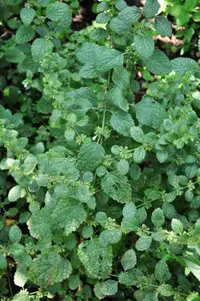
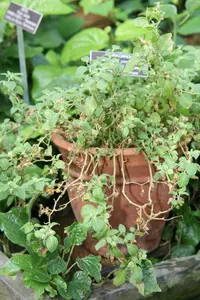
Lemon balm, Melissa officinalis, is a perennial herb in the mint family grown for its fresh, lemon-scented foliage. It forms soft, leafy clumps with serrated, heart-shaped leaves and small, pale flowers that attract pollinators.
The plant is native to parts of Europe and western Asia but is now widely cultivated in gardens and containers. It is generally easy to grow, as it tolerates a range of conditions and regrows reliably each year.
Moderate vigor and a spreading habit mean it can become a bit invasive in ideal conditions. Understanding how to care for Lemon balm includes providing reasonably fertile, well-drained soil and consistent, but not excessive, moisture.

Care Difficulty
Easy Care

Light Preference
Full Sun

Water Requirements
Moderate Water

Temperature Preference
Cold Hardy

Hardiness Zone
4–9

Soil Texture
Sandy, Loamy, Organic-rich

Soil pH
Acidic (5.5–6.5), Slightly acidic (6.5–7.0)

Soil Drainage
Moist but well-drained

Fertilization
Minimal (feed rarely)
Scan your plant to receive care tips personalized for your specific plant
Available on iOS and Android
This perennial herb prefers ample light to produce dense, aromatic foliage.
This herb thrives in evenly moist, well-drained soil without prolonged drying or waterlogging.
This hardy herb grows best in mild to warm conditions but tolerates a wide temperature range.
This herb handles typical indoor humidity well, so humidity management is rarely critical.
Melissa officinalis prefers loose, well-aerated soil that drains quickly but does not dry out instantly.
This species grows reliably in containers when given enough root space and controlled moisture.
Lemon balm benefits from light, consistent feeding but grows acceptably in average garden soil.
Pruning Melissa officinalis maintains compact growth and encourages fresh, aromatic foliage.
Container-grown lemon balm benefits from periodic repotting or transplanting to maintain vigorous growth.
Melissa officinalis is commonly propagated by division, cuttings, or seed to refresh older clumps.
Melissa officinalis is cold hardy in much of the US and usually needs only minimal winter care outdoors.

Plant Health Check
Not sure what's wrong with your plant? Check your plant's health inside the app.
The genus name Melissa comes from the Greek word for honeybee, reflecting how strongly its flowers attract honeybees and other pollinators in bloom.
The characteristic lemon scent is mainly due to volatile compounds such as citral, citronellal, and geraniol, which are concentrated in tiny oil glands on the leaf surface.
Although often grown as a culinary herb, this species produces large numbers of viable seeds and can naturalize readily in mild climates, forming persistent patches around gardens and paths.

Since the Middle Ages, lemon balm has been cultivated in monastery and physic gardens across Europe, and historical records from figures such as Paracelsus and the Carmelite orders describe it as a valued aromatic and culinary herb long before modern horticulture formalized Melissa officinalis plant care.
All above-ground parts are edible and commonly used fresh or dried in teas, salads, desserts, and marinades. Harvest leaves before flowering for the best flavor, and avoid plants exposed to roadside pollution or chemical sprays.
Keep your plants happy and healthy with plant identification, disease detection, and easy care guidance.