noble yarrow Care (Achillea nobilis)

noble yarrow

About noble yarrow

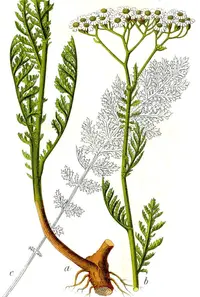
Noble yarrow (Achillea nobilis) is a perennial herb in the daisy family, valued for its finely divided, aromatic foliage and flattened clusters of small cream to yellow flowers. It typically forms low mounds with upright flowering stems, giving a soft, textured look in borders and naturalistic plantings.

This species is native to parts of Europe and western Asia, where it grows in dry grasslands, open slopes, and light scrub. It is generally considered easy to grow, as it tolerates poor, well-drained soils and moderate drought once established.

Gardeners who want to care for noble yarrow should note that it prefers full sun, does best in soils that are not waterlogged, and benefits from good air circulation to stay healthy.

Main Plant Requirements

Care Difficulty

Easy Care

Light Preference

Full Sun

Water Requirements

Low Water

Temperature Preference

Cold Hardy

Hardiness Zone

3–8

Soil Texture

Sandy, Loamy, Rocky

Soil pH

Slightly acidic (6.5–7.0), Slightly alkaline (7.0–7.5)

Soil Drainage

Well-drained

Fertilization

Minimal (feed rarely)

Get Personalized Care Plan

Scan your plant to receive care tips personalized for your specific plant

Available on iOS and Android

How to Care for the noble yarrow

This sun-loving perennial needs strong light to flower well and stay compact.

  • Provide full sun with 6–8 hours of direct light daily; 8–10 hours is ideal in cooler climates for abundant blooms on noble yarrow.
  • Tolerates light or partial shade (3–5 hours) but stems elongate, flowering decreases, and foliage may flop without enough sun.
  • In very hot regions, give morning sun and light afternoon shade to reduce leaf scorching and drought stress, especially on shallow, dry soils.

This species prefers dry to moderately dry conditions and is sensitive to excess moisture.

  • Allow the top 3–5 cm of soil to dry before watering; in the ground, established Achillea nobilis often needs only occasional deep watering during prolonged drought.
  • Choose sharply drained soil or raised beds so water does not pool around the roots, which increases the risk of rot and fungal disease.
  • Signs of overwatering include limp, yellowing lower leaves and blackened stems; crisp, browning leaf tips and drooping stems signal underwatering during hot, dry spells.

This hardy perennial tolerates a wide temperature range but performs best in moderate conditions.

  • Optimal growth occurs around 65–80°F (18–27°C), with strongest flowering in mild, sunny summers and well-drained soils.
  • Mature plants usually survive down to about 0°F (−18°C) in the ground; mulch crowns lightly in colder regions to buffer freeze–thaw cycles.
  • Handles summer heat up to about 90–95°F (32–35°C) if soil is dry to moderately moist, but prolonged extreme heat with high humidity increases stress and disease risk.

Achillea nobilis handles a wide humidity range and usually needs no special humidity management.

Achillea nobilis prefers lean, well-drained, mineral soils that do not stay wet.

  • Use sandy or gravelly loam with low to moderate organic matter to mimic dry meadow or rocky slope conditions.
  • Ensure very sharp drainage, such as 60–70% mineral material (coarse sand, grit, or small gravel) with the remainder compost.
  • Aim for slightly alkaline to neutral pH around 7.0–7.5; avoid strongly acidic mixes for long-term growth.
  • Do not use heavy clay or peat-heavy mixes that hold water and collapse, as roots need air spaces to stay healthy.

This species can grow in containers if the setup prioritizes fast drainage and a relatively lean mix.

  • Choose a wide, shallow pot to accommodate its spreading root system and prevent water from pooling at depth.
  • Use a heavier material like clay or ceramic to keep the container stable as the plant forms a broad, bushy top.
  • Raise the pot on feet or bricks outdoors so drainage holes stay clear and excess water escapes quickly after rain or watering.

This drought-tolerant perennial needs only light feeding, so caring for noble yarrow focuses more on soil quality than fertilizer.

  • Use a balanced, slow-release fertilizer (around 10-10-10) or a thin layer of compost in early spring.
  • Feed once per growing season in average garden soil; skip feeding on very rich or newly amended beds.
  • Apply at 1/2 strength for container plants to prevent soft, floppy growth and salt buildup.
  • Avoid fertilizing in fall and winter, as the plant is semi-dormant and does not use extra nutrients.

Pruning supports compact growth and sustained flowering in Achillea nobilis.

  • Deadhead spent flower stems in summer by cutting them back to a strong leafy shoot to encourage repeat bloom.
  • In late fall or very early spring, cut old, woody, or winter-damaged stems close to the base.
  • Thin crowded or weak shoots with clean hand pruners to improve air flow and reduce disease risk.
  • Lightly shape the clump after flowering to maintain a low, tidy mound and prevent lodging.

This species is usually grown in the ground, so transplanting is more common than container repotting.

  • Transplant in early spring or early fall, when temperatures are mild and soil is workable.
  • Move plants when growth slows, clumps become crowded, or flowering declines despite good light.
  • Lift the clump with a spade, keeping a firm root ball, and replant at the same depth in well-drained soil.
  • Water deeply after transplanting, then keep soil just lightly moist for 1–2 weeks to limit transplant shock.

Achillea nobilis is commonly propagated by division, basal cuttings, or seeds.

  • Divide mature clumps in early spring or early fall, replanting vigorous outer sections in fresh soil.
  • Take 5–8 cm basal cuttings in late spring, insert into a free-draining mix, and keep slightly moist until rooted.
  • Sow seeds in late winter to spring on the surface of a well-drained medium, as they need light to germinate.
  • Provide bright light, 65–75°F temperatures, and good air flow to reduce damping-off in young plants.

This yarrow is generally cold hardy and needs minimal winter care in most temperate climates.

  • Tolerates typical frosts once established, especially in free-draining soil.
  • In colder regions, apply a light, dry mulch layer around the crown after the ground cools, not touching stems.
  • Cut back dead stems in late winter or early spring rather than fall to leave some natural crown protection.
  • For containers in very cold zones, move pots to a sheltered, unheated area to prevent repeated freeze-thaw.

Care Tips

Encourage Compact Growth

Pinch back soft shoot tips in late spring before flowering to encourage a shorter, sturdier plant that is less likely to flop in wind or rain.

Support in Windy Sites

In exposed gardens, install low, unobtrusive ring supports or short twigs around young plants in early season so stems grow through and stay upright without needing later tying.

Control Self-Seeding

Deadhead most fading flower heads before seeds ripen, leaving only a few if you want volunteers, to prevent unwanted spreading into nearby beds or lawns.

Periodic Clump Renewal

Lift and divide congested clumps every 3–4 years in early spring, replanting only the youngest, most vigorous sections to maintain flower quality and extend the life of the planting.

Drought Hardening Strategy

Once established, slightly extend the interval between deep waterings during mild weather to train roots to grow deeper, which improves resilience during hot, dry periods when growing noble yarrow.

Common Pests and Diseases

Powdery mildew

This disease produces white, powdery patches on leaves and stems, especially in dense plantings or humid, still air. Symptoms include distorted foliage and reduced flowering if the infection is severe.

Solution

Improve air circulation by thinning crowded clumps and avoid overhead watering, especially late in the day. Remove and dispose of heavily infected stems, and if needed apply a sulfur or potassium bicarbonate fungicide labeled for ornamentals at the first signs of infection, following label directions carefully.

Botrytis blight

This disease causes gray, fuzzy mold on flower heads and upper foliage, often after prolonged cool, wet weather. Symptoms include browning, water-soaked spots on petals and stems that quickly soften and collapse.

Solution

Promptly remove and discard affected flower heads and stems to reduce spore spread, and avoid wetting the foliage when irrigating. Improve drainage and spacing, and in persistent cases use a registered ornamental fungicide for gray mold as a preventative during long wet periods.

Aphids

These insects cluster on tender stems and flower stalks, sucking sap and excreting sticky honeydew that can attract sooty mold. This pest can cause curling or yellowing foliage and distorted flower buds on Achillea nobilis.

Solution

Dislodge colonies with a strong stream of water and prune off heavily infested tips. For ongoing issues, introduce or conserve natural predators like lady beetles and apply insecticidal soap or a light horticultural oil to thoroughly coat the pests, repeating as needed according to product directions.

Spittlebugs

These insects hide in white, frothy masses on stems and leaf joints, feeding on plant juices but rarely killing the plant. Symptoms include minor leaf distortion and reduced vigor if populations are high.

Solution

Physically remove the foam masses by hand or wash them off with a firm spray of water, which exposes the insects to predators and drying. Keep plantings weeded and not overly lush to make the habitat less favorable, and resort to insecticidal soap only if large numbers persist.

Leaf spot complex

This disease group causes small brown or purplish spots on leaves that may merge into larger dead patches under extended wet conditions. Symptoms include premature leaf yellowing and drop on lower foliage, while upper growth often remains unaffected.

Solution

Remove and discard spotted, yellowing leaves and avoid overhead watering to keep foliage as dry as possible. Thin or divide crowded clumps every few years to increase airflow, and if spots recur each season, consider a preventative application of a broad-spectrum ornamental fungicide at the start of wet weather, following label instructions.

Interesting Facts

Distinct woolly foliage

This species is recognized by its softly hairy, almost woolly leaves, which give the plant a gray‑green appearance and help reduce water loss in its typically dry, open habitats.

Preference for calcareous soils

It naturally occurs on calcareous (lime-rich) substrates such as limestone slopes, roadsides, and dry grasslands, where the higher pH and good drainage favor its growth.

Strongly aromatic chemistry

The crushed leaves and flowering tops release a strong, somewhat bitter aroma caused by a complex essential oil blend that differs in composition from the more common Achillea millefolium.

Botan icon

Did you know?

In parts of its native range in Europe and western Asia, Achillea nobilis has been used as an indicator of long-established, relatively undisturbed dry grasslands, so its presence can signal a habitat with a long continuity of low-intensity land use.

FAQs about noble yarrow

Lack of blooms usually comes from too much shade, overly rich or wet soil, or heavy old growth. Ensure full sun, avoid high-nitrogen fertilizer, and shear spent stems to encourage new, flower-bearing growth next season.

Grow Healthy Plants with Botan Care

Keep your plants happy and healthy with plant identification, disease detection, and easy care guidance.

Botan plant care app — identify plants on mobile

Explore More Plants