Alyssum cuneifolium Care

Alyssum cuneifolium

About Alyssum cuneifolium

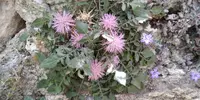
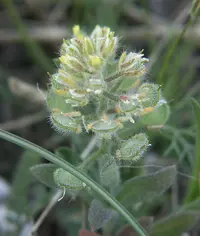
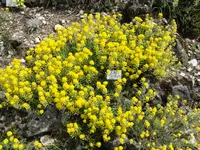
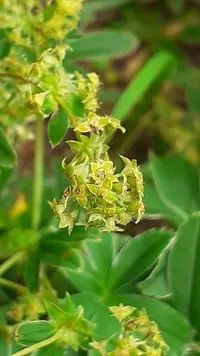
Alyssum cuneifolium is a low, mounding perennial from rocky slopes in parts of Europe, especially the Alps. It forms compact cushions covered with small gray-green leaves. In season it produces many tiny, pale yellow to white flowers that attract pollinators and soften the look of stonework or gravel areas. The plant prefers sun, well-drained, rather poor soil, and does not tolerate standing water. It stays relatively small and slow spreading, which makes it suitable for rock gardens, borders, and troughs. Once established, it can be long-lived, but it dislikes heavy, wet conditions, which is the main challenge in how to care for Alyssum cuneifolium.

Main Plant Requirements

Care Difficulty

Easy Care

Light Preference

Full Sun

Water Requirements

Moderate Water

Temperature Preference

Cool Climate

Hardiness Zone

4–8

Soil Texture

Sandy, Loamy, Rocky

Soil pH

Slightly acidic (6.5–7.0), Neutral (7.0)

Soil Drainage

Well-drained

Fertilization

Minimal (feed rarely)

Get Personalized Care Plan

Scan your plant to receive care tips personalized for your specific plant

Available on iOS and Android

How to Care for the Alyssum cuneifolium

This alpine species prefers bright conditions in open, exposed spots.

  • Provide full sun for 6–8 hours daily; light afternoon shade is helpful in very hot, dry climates to reduce stress on Alyssum cuneifolium.
  • Site plants on south or west exposures in cooler regions, but choose east or southeast slopes where summers are intense to avoid scorching.
  • Watch foliage color and flowering; sparse blooms and stretched stems indicate too much shade, while crisped, silvered leaves suggest excessive sun and heat.

This plant prefers dry, well-drained conditions and is sensitive to prolonged moisture.

  • Allow the top 3–5 cm of soil to dry completely before watering, then moisten only the root zone without soaking surrounding rock or mulch.
  • In spring and early summer, check soil after warm, windy spells; gray, wilted foliage indicates underwatering, while soft, yellowing stems suggest overwatering.
  • Ensure sharply drained, gritty soil on slopes or raised beds so water runs off quickly and does not collect around the crown, especially in cool, wet seasons.

This alpine perennial prefers cool to mild conditions and does not thrive in temperature extremes.

  • Aim for active growth in 55–70°F (13–21°C); flowering may slow above 80°F (27°C), especially in humid climates.
  • Plants tolerate brief drops to about 20°F (-7°C) with good drainage, but repeated freeze-thaw around the crown increases rot risk.
  • During hot summers above 85°F (29°C), provide light afternoon shade and avoid reflected heat from walls or paving, which can overheat roots.

This alpine species tolerates low atmospheric moisture, so humidity is rarely a limiting factor for Alyssum cuneifolium.

  • Performs reliably in 30–50% humidity, similar to typical indoor and outdoor air in temperate homes and gardens.
  • Tolerates dry air but may show slight leaf edge browning if combined with high heat and prolonged drought.
  • If grown in very hot, arid conditions, group plants together or use nearby water trays to slightly raise local humidity without wetting foliage.

Alyssum cuneifolium prefers mineral, sharply drained soil that mimics rocky alpine slopes.

  • Use a gritty mix such as 50–60% sandy or loamy garden soil combined with 40–50% coarse material like horticultural grit, perlite, or sharp sand.
  • Aim for slightly alkaline to neutral pH around 7.0–7.5; avoid strongly acidic mixes that can reduce vigor over time.
  • Improve aeration by mixing in coarse grit or perlite rather than peat-heavy compost, which holds excess water around the roots.
  • Avoid compacted clay, waterlogged spots, or dense organic potting mixes, as poor drainage greatly increases the risk of root rot.

This species is well suited to container and trough culture, especially in rock-garden style plantings.

  • Choose a wide, shallow container to accommodate its spreading habit while keeping the root zone near the cooler upper substrate layer.
  • Use a heavy or stable pot material, such as clay or stone, to prevent tipping when growth spills over the edges.
  • Raise the container on feet or spacers so drainage holes stay clear and excess water leaves the gritty mix quickly.

Light, well-timed feeding supports compact growth and flowering in Alyssum cuneifolium.

  • Use a balanced, water-soluble fertilizer (e.g., 10-10-10) at 1/2 strength on well-established plants in lean soils.
  • Feed every 4–6 weeks during the main growing season, stopping in late summer.
  • In richer garden soil, rely mainly on compost or slow-release granules mixed in at planting.
  • Avoid feeding in winter or dormancy to prevent weak, leggy growth.

Thoughtful pruning helps Alyssum cuneifolium stay compact and extend its bloom period.

  • Shear back lightly by 1/3 after the first main flush of flowers to encourage new buds.
  • Remove dead, damaged, or very woody stems at the base using clean, sharp scissors or snips.
  • Thin crowded sections to improve air circulation and reduce fungal problems.
  • Deadhead spent flower clusters during the season to keep the plant tidy and blooming.

This rock garden perennial is usually grown in the ground, so focus on careful outdoor transplanting.

  • Transplant in spring or early fall when temperatures are mild and soil is workable.
  • Move plants if growth stalls, clumps thin out, or nearby competition from larger plants increases.
  • Lift with a wide trowel, keeping as much root ball intact as possible to limit shock.
  • Replant at the same depth in very well-drained, gritty soil, then water gently and shade lightly for a few days.

Alyssum cuneifolium is most often renewed by seed, with some potential for division in mature clumps.

  • Sow fresh seeds in late winter to spring under bright light, using a very well-drained, sandy mix.
  • Press seeds onto the surface; do not bury deeply, as light supports germination.
  • Maintain 60–70°F and even moisture until seedlings appear, then provide good airflow.
  • Divide older clumps in early spring, separating small sections with roots and replanting promptly.

This species is fairly cold hardy in well-drained sites but benefits from simple winter precautions in harsher climates.

  • In regions with wet winters, ensure excellent drainage to prevent root rot in cold, saturated soil.
  • Apply a light gravel or grit mulch around the crown to keep the base dry and insulated.
  • Container plants in colder zones can be moved to a cold, bright, frost-free spot for winter.

Care Tips

Encourage Compact Mounds

Pinch back soft shoot tips by 1–2 cm early in the season to keep plants low, dense, and less prone to splitting in wind or rain.

Maximize Flower Renewal

Shear the plant back by about one-third immediately after the main flush of bloom, then water and feed lightly to trigger a fast, even rebloom rather than scattered late flowers.

Improve Rock Crevice Drainage

When planting in rock crevices or wall pockets, line the bottom of the hole with a thin layer of coarse grit or small gravel to prevent water from pooling around the crown.

Targeted Slug Management

Place low, shallow traps with beer or yeast solution just outside the planting area instead of inside the clump so slugs are drawn away from young shoots and buds.

Strategic Winter Protection

In colder regions, spread a very thin, airy layer of fine gravel or sharp sand around the crown in late fall to keep the base dry under snow and reduce crown rot while growing Alyssum cuneifolium.

Common Pests and Diseases

Flea beetles

These insects chew many small round holes in leaves, often giving foliage a shot‑holed or lace‑like appearance and slowing plant growth in young plantings.

Solution

Use floating row covers early in the season to physically exclude adults, and keep nearby weeds down to reduce alternative hosts. In outdoor beds, apply fine horticultural diatomaceous earth or a spinosad-based product to foliage and soil surface according to label directions if damage is persistent.

Downy mildew

This disease causes yellow or pale patches on upper leaf surfaces with grayish, downy growth underneath, especially in cool, humid weather.

Solution

Improve air movement by spacing plants well and avoiding overhead watering, then remove and discard heavily affected leaves to reduce inoculum. In regions where caring for Alyssum cuneifolium outdoors often involves cool, moist springs, consider preventive copper or phosphonate fungicide sprays following label instructions when conditions favor disease.

White rust

This disease produces pale spots on the upper leaf surface and small white blister-like pustules on the undersides, which can distort foliage and weaken the plant.

Solution

Promptly remove and dispose of infected leaves to limit spore spread, and avoid overhead irrigation that keeps foliage wet for long periods. In areas with a history of white rust on brassica relatives, rotate planting sites and, if needed, use a labeled systemic fungicide as a targeted treatment during cool, moist periods.

Cabbage aphids

These insects gather in dense gray-green colonies on stems and new growth, sucking sap and causing curling or distortion of leaves and sticky honeydew deposits.

Solution

Dislodge colonies by spraying plants with a strong stream of water, repeating every few days as needed. Encourage predators such as lady beetles, and if populations remain high, use insecticidal soap or horticultural oil, coating the undersides of leaves carefully and repeating according to label directions.

Clubroot

This disease leads to swollen, distorted roots and causes plants to wilt in warm weather despite adequate moisture, often resulting in stunted or patchy growth in affected beds.

Solution

Remove and discard entire affected plants, including as much root as possible, and do not compost infected material. Improve drainage, avoid planting brassica relatives in the same soil for several years, and where this disease is present, raise soil pH toward neutral (around 7.0) with garden lime to reduce future infection pressure.

Interesting Facts

Silvery cushion habit

This species naturally forms low, dense cushions with narrow, grey to silvery leaves, an adaptation that helps reduce water loss and reflect intense light in its native rocky habitats.

Rocky limestone specialist

It is typically found on limestone screes and rocky slopes in parts of the Alps, showing a strong preference for calcium-rich, well-drained mineral soils that many garden plants cannot tolerate.

Early-season pollinator resource

Its small, pale yellow 4-petaled flowers appear in early to mid spring and provide nectar and pollen to cold-tolerant bees and other insects at a time when few other alpine plants are in bloom.

FAQs about Alyssum cuneifolium

This species is typically a short-lived perennial, especially in mild, well-drained sites. In colder or very wet climates it may behave more like an annual, declining after 1–2 seasons if conditions are harsh.

Grow Healthy Plants with Botan Care

Keep your plants happy and healthy with plant identification, disease detection, and easy care guidance.

Botan plant care app — identify plants on mobile

Explore More Plants