Umbellate Madwort Care (Alyssum umbellatum)

Umbellate Madwort

About Umbellate Madwort

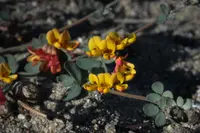
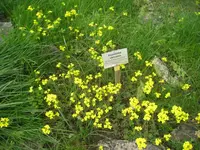
Umbellate madwort, Alyssum umbellatum, is a small, mound-forming perennial in the cabbage family, valued mainly for its clusters of tiny, pale yellow flowers. It typically forms low cushions of gray-green foliage, giving a soft, textured look in rock gardens and dry borders.

This species is native to dry, often rocky habitats in parts of Eurasia, so it is adapted to lean, well-drained soils and periods of limited moisture. It is generally considered easy to grow in similar conditions, provided the soil does not stay wet. Gardeners who want to learn how to care for Umbellate Madwort mainly need to focus on good drainage and a sunny, open site.

Main Plant Requirements

Care Difficulty

Easy Care

Light Preference

Full Sun

Water Requirements

Low Water

Temperature Preference

Cold Hardy

Hardiness Zone

3–8

Soil Texture

Sandy, Loamy, Rocky

Soil pH

Slightly alkaline (7.0–7.5)

Soil Drainage

Well-drained

Fertilization

Minimal (feed rarely)

Get Personalized Care Plan

Scan your plant to receive care tips personalized for your specific plant

Available on iOS and Android

How to Care for the Umbellate Madwort

This alpine perennial thrives in bright, open sites with cool roots and steady sun exposure.

  • Provide 6–8 hours of direct sun daily; in hotter regions, prioritize morning sun with light afternoon shade to reduce stress.
  • Plant Umbellate Madwort in exposed, south- or west-facing beds where surrounding plants do not block light, since dense shade reduces flowering and causes leggy growth.
  • In summer heat waves, protect from intense late-afternoon sun with partial shade; in cooler seasons, allow full sun to maximize bloom density.

This drought-tolerant species prefers infrequent, light watering and sharply draining soil.

  • Allow the top 3–5 cm of soil to dry between waterings; in most garden soils this means watering only after several dry days, especially once plants are established.
  • Use gritty, well-drained soil or a sandy bed so excess water runs off quickly; standing water or heavy clay encourages root rot and yellowing foliage.
  • Reduce watering in cool seasons when growth slows; wilting, dull leaves signal underwatering, while soft, yellowing stems often indicate overwatering in Alyssum umbellatum.

This mountain species prefers cool to mild conditions and tolerates a fair amount of cold once established.

  • Optimal growth occurs around 50–70°F (10–21°C), especially in spring and early summer when soil stays cool and evenly moist but not wet.
  • Mature plants often tolerate brief drops near 10–15°F (-12 to -9°C) with good drainage, but young plants are more sensitive and benefit from protection during hard frosts.
  • In hot climates, growth may stall above 80–85°F (27–29°C); provide afternoon shade and ensure rapid soil drainage to limit heat and root stress.

This species prefers relatively dry air, so humidity is rarely a concern for Umbellate Madwort.

  • Maintain 30–50% humidity; typical indoor and outdoor conditions in most homes and gardens are adequate.
  • Plants tolerate dry air well; focus more on light and soil drainage than on increasing humidity.
  • Humidity stress shows mainly as root issues from overwatering rather than dry air, so avoid misting and keep foliage dry.

Alyssum umbellatum thrives in lean, well-drained mineral soils that prevent waterlogging.

  • Use sandy or gravelly loam with a loose, crumbly structure to keep roots aerated and reduce rot risk.
  • Aim for slightly alkaline to neutral pH around 7.0–8.0; avoid strongly acidic mixes unless amended with lime.
  • Combine 2 parts coarse sand or grit with 1 part loam and only a thin layer of compost to avoid overly rich conditions.
  • Do not use heavy clay or peat-heavy mixes; improve drainage by adding grit or perlite and raising the planting area if soil stays wet.

This species is suitable for containers, especially in sunny, well-ventilated spots.

  • Choose a wide, shallow pot that matches its fibrous, surface-leaning roots and allows lateral spread.
  • Select terracotta or unglazed clay if extra evaporation is needed in rainy or humid climates to keep the mix drier.
  • Elevate the container slightly on pot feet or blocks so drainage holes clear the ground and runoff leaves quickly.

Alyssum umbellatum is adapted to lean, rocky soils and needs only modest feeding in garden settings.

  • Use a light top-dressing of compost or a low-strength balanced NPK fertilizer (such as 10-10-10) in early spring to support flowering.
  • Apply fertilizer at 1/2–1/4 the label strength to avoid excessive foliage growth and weak, floppy stems.
  • Feed once at the start of the main growing season; avoid repeated applications on already fertile soils.
  • Do not fertilize in fall or winter, as the plant’s growth slows and unused nutrients may leach or cause root stress.

Pruning Alyssum umbellatum is mainly used to keep plants compact and flowering well.

  • Shear back spent flower stems by 1/3–1/2 in late spring or after the first flush to encourage fresh growth and more blooms.
  • Remove dead, damaged, or diseased shoots whenever noticed, using clean, sharp scissors or hand pruners.
  • Thin congested, sprawling sections to improve air movement and maintain a low, mounded shape.
  • Lightly deadhead seedheads if self-seeding is not desired, but leave some if natural reseeding is welcome.

This species is most often grown in rock gardens or borders, so transplanting is more common than container repotting.

  • Transplant young plants in early spring or early fall, when temperatures are mild and soil is workable.
  • Choose a sharply drained, sandy or gravelly soil; avoid heavy clay that holds water around the roots.
  • Move container-grown plants only if roots circle the pot or growth stalls, typically every 2–3 years.
  • Water in gently after transplanting, then keep soil lightly moist for 1–2 weeks to limit transplant shock.

Alyssum umbellatum is most often propagated from seed, which suits its natural, low-maintenance habit.

  • Sow seeds in late fall outdoors for natural cold stratification, or in early spring after frost risk has passed.
  • Use a gritty, well-drained seed mix and press seeds lightly onto the surface, as they need light to germinate.
  • Keep the medium just moist at 60–70°F; germination usually occurs within 1–3 weeks.
  • Transplant seedlings when they have 2–3 true leaves, handling roots gently to avoid damage.

This alpine-type perennial is generally cold hardy and needs minimal winter care in most temperate climates.

  • In areas with very cold, open winters, apply a light mulch of gravel or coarse compost to buffer root temperature.
  • Avoid heavy, wet organic mulches that can hold moisture against the crown and cause rot.
  • For containers in colder zones, move pots to a sheltered, unheated but frost-moderated spot, such as against a house wall.

Care Tips

Encourage Dense Mounding

Pinch or lightly shear back the stems by 2–3 cm after the first main flush of flowers to encourage compact, dense growth and a second, more even bloom period.

Use Gravel Mulch

Apply a 1–2 cm top layer of fine gravel around the plants to keep the crown dry, reduce soil splash on foliage, and mimic the well-drained, stony habitats this species prefers.

Improve Winter Survival

In colder regions, plant on slight slopes or raised berms so winter meltwater drains away from the crown, which helps prevent rot and improves year-to-year survival.

Support On Slopes

On rock walls or steep banks, tuck young plants into crevices with firm backfilling so roots anchor well and the mat-like growth stabilizes the soil without becoming dislodged by rain.

Staggered Replanting

Because clumps can decline after several years, plan to divide or replace a fraction of the planting every 2–3 years so that areas used for growing Umbellate Madwort stay full and even over time.

Common Pests and Diseases

Cabbage aphids

This pest feeds on tender shoots and flower stems, often forming dense gray-green colonies that distort growth and weaken flowering.

Solution

Spray colonies off with a firm stream of water, then treat remaining clusters with insecticidal soap or a light horticultural oil, repeating weekly until control is achieved; encourage lady beetles and lacewings by avoiding broad-spectrum insecticides nearby.

Flea beetles

These insects chew many small round holes in leaves, giving foliage a shot-hole appearance and slowing growth in young plants.

Solution

Use floating row covers to protect young plants, reduce nearby weeds from the mustard family that host the beetles, and apply a spinosad-based or pyrethrin-based product to foliage in the evening if damage is severe.

Downy mildew

This disease causes yellow to pale-green leaf spots with a grayish, felt-like growth on the undersides, leading to leaf drop in cool, humid weather.

Solution

Improve air circulation with wider spacing, avoid overhead watering, remove and discard affected leaves, and, in persistent cases, use a copper-based or phosphonate fungicide labeled for downy mildew on ornamentals.

White rust

This disease produces pale spots on upper leaf surfaces with raised white blister-like pustules underneath, which can deform leaves and reduce flowering.

Solution

Remove and destroy infected leaves promptly, keep foliage dry by watering at soil level, rotate planting areas from year to year, and apply a suitable ornamental rust fungicide early when first pustules appear.

Cabbage white caterpillars

These insects, the larvae of white butterflies, chew irregular holes in leaves and flower clusters and leave dark droppings on foliage.

Solution

Hand-pick caterpillars when visible, use fine mesh netting to exclude adult butterflies, and apply Bacillus thuringiensis (Bt) to foliage during active feeding periods, reapplying after rain as directed by the label when growing Umbellate Madwort in garden beds.

Interesting Facts

Dry-steppe specialist

This species is naturally restricted to arid steppe and rocky slope habitats in Central Asia, where it is adapted to highly drained, often calcareous soils with intense sun and strong temperature fluctuations.

Umbel-like flower heads

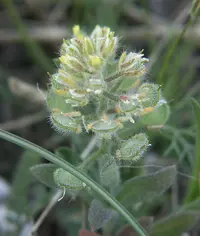
Unlike many other alyssums that have elongated flower racemes, this plant forms more compact, umbel-like clusters of small yellow flowers, which is reflected in the species name umbellatum.

Early-season nectar source

In its native range it flowers relatively early in the warm season, offering one of the first steady nectar and pollen sources for local bees and other small pollinators on dry, open ground.

FAQs about Umbellate Madwort

This species is a short-lived perennial in most temperate regions, forming low mounds that can persist several years. In colder areas it may behave more like a reseeding annual, depending on winter severity and drainage.

Grow Healthy Plants with Botan Care

Keep your plants happy and healthy with plant identification, disease detection, and easy care guidance.

Botan plant care app — identify plants on mobile

Explore More Plants