calicoplant Care (Alternanthera bettzickiana)

calicoplant

About calicoplant

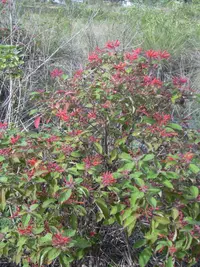
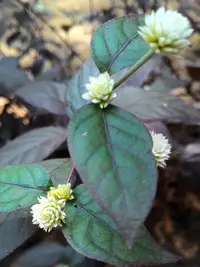
Calicoplant (Alternanthera bettzickiana) is a low-growing ornamental known for its brightly colored foliage in shades of red, pink, copper, and green. It is often used as a border or edging plant in warm climates and can also be grown in containers indoors with sufficient light.

This species comes from tropical regions of South America and thrives in consistently warm, humid conditions. Its compact, bushy habit and fast growth make it attractive for bedding designs but it can become leggy if light is too low.

Alternanthera bettzickiana prefers bright light, evenly moist soil, and good drainage. Once basic conditions are met, it is relatively straightforward to care for calicoplant, especially for growers in warm, frost-free areas.

Main Plant Requirements

Care Difficulty

Moderate Care

Light Preference

Full Sun

Water Requirements

Keep Soil Moist

Temperature Preference

Tropical / Frost Sensitive

Hardiness Zone

10–11

Soil Texture

Loamy, Sandy, Organic-rich

Soil pH

Acidic (5.5–6.5), Slightly acidic (6.5–7.0)

Soil Drainage

Moist but well-drained

Fertilization

Moderate (every 2–4 weeks)

Get Personalized Care Plan

Scan your plant to receive care tips personalized for your specific plant

Available on iOS and Android

How to Care for the calicoplant

Alternanthera bettzickiana needs strong light to maintain compact growth and vivid leaf color.

  • Provide 4–6 hours of direct morning sun plus bright light for the rest of the day; light afternoon shade helps prevent leaf scorch in hot summers.
  • Tolerates partial shade, but foliage becomes greener and stems stretch if it receives under 3–4 hours of sun daily, especially in calicoplant indoor care setups.
  • In cooler seasons, place where it receives as much sun as possible and avoid deep shade from buildings or evergreen trees.

Alternanthera bettzickiana prefers consistently moist but not waterlogged soil.

  • Water when the top 2–3 cm of soil feel dry; the surface may lighten in color and feel slightly crumbly before the next deep watering.
  • Use well‑draining soil so excess water runs out quickly; persistent puddling, soft stems, or yellowing lower leaves suggest overwatering and poor aeration.
  • In cooler months reduce frequency as growth slows, but do not let the root zone dry completely; wilting, crisp leaf edges, and slow recovery after watering indicate underwatering.

Stable warm temperatures support dense growth and strong color in this tropical species.

  • Aim for 70–85°F (21–29°C) for best growth; it still manages at 65°F (18°C) but color and vigor decrease below this range.
  • Protect from cold; growth stalls below about 55°F (13°C) and prolonged exposure under 50°F (10°C) can cause leaf drop, while light frost can kill top growth.
  • In hot spells above 90°F (32°C), provide afternoon shade and consistent soil moisture to prevent stress, leaf scorch, and premature leaf drop.

This species benefits from moderately moist air but adapts to typical indoor humidity.

  • Aim for 40–60% humidity to support dense foliage and strong color in calicoplant.
  • Plant tolerates short dry-air periods, but prolonged levels below 35% can slow growth and crisp leaf edges.
  • Increase humidity with a nearby pebble tray or grouped plants rather than misting, which adds only brief surface moisture.

Alternanthera bettzickiana prefers loose, organic-rich, well-drained soil that stays evenly moist without becoming waterlogged.

  • Use a mix of 50–60% peat or coco coir, 20–30% compost, and 20–30% perlite or coarse sand for structure and drainage.
  • Aim for slightly acidic to neutral pH around 6.0–7.0 to support nutrient availability and healthy root function.
  • Improve aeration by incorporating chunky materials like perlite or fine bark, especially in heavy or compacted garden soil.
  • Avoid dense clay, poorly drained spots, or pure sand, which either suffocate roots or dry out too quickly between waterings.

This species is well suited to container growing outdoors in warm seasons.

  • Choose a wide, shallow pot to accommodate its spreading, shallow root system and encourage a fuller top canopy.
  • Select a heavier container material, such as ceramic or clay, to stabilize the plant against wind as the foliage mass increases.
  • Ensure large, unobstructed drainage holes so excess water exits quickly after heavy rain or irrigation, preventing root rot.

Alternanthera bettzickiana responds well to modest, consistent feeding during its warm-season growth.

  • Use a balanced liquid NPK fertilizer at 1/2 strength every 2–4 weeks in spring and summer for compact, colorful foliage when caring for calicoplant.
  • Apply a slow-release granular fertilizer at the start of the growing season for container or bedding plants.
  • Pause feeding or reduce to once in 6–8 weeks during fall and winter, especially indoors.
  • Water before and after fertilizing to avoid root burn and distribute nutrients evenly.

Alternanthera bettzickiana benefits from light, frequent shaping to maintain dense, colorful growth.

  • Carry out main pruning in late spring through summer when plants are actively growing.
  • Pinch or trim soft shoot tips to encourage bushier growth and a lower, compact habit.
  • Remove dead, damaged, or overly crowded stems with clean, sharp scissors or hand pruners.
  • Shear lightly for hedging, avoiding cutting back into bare, woody sections that lack leaves.

This species adapts well to both containers and beds but dislikes severe root disturbance.

  • Repot or transplant in spring once frost risk has passed and new growth begins.
  • Look for roots circling the pot, drying out fast, or slowed growth as signs it needs more space.
  • Shift up only 1 pot size, using a loose, well-drained mix, and keep the root ball as intact as possible.
  • Water thoroughly after moving, keep in bright but indirect light for 3–5 days, and maintain even moisture while roots re-establish.

Alternanthera bettzickiana is commonly multiplied from soft stem material for uniform color and habit.

  • Take 7–10 cm softwood cuttings in late spring or summer from non-flowering shoots.
  • Strip lower leaves and place cuttings in moist, well-drained mix or water, keeping nodes below the surface.
  • Provide bright, indirect light, high humidity, and warmth around 70–80°F to promote rooting.
  • Once roots reach 2–3 cm, pot individually and acclimate gradually to stronger light.

This warmth-loving plant is frost-tender and needs attention in regions with cold winters.

  • In USDA zones below 9–10, grow in containers and move plants indoors before temperatures drop near 40°F.
  • Outdoors in mild climates, add a 5–8 cm mulch layer around the root zone to buffer temperature swings.
  • Indoors, place in bright light, reduce watering, and avoid cold drafts or sudden temperature drops.

Care Tips

Pinch For Bushiness

Regularly pinch back soft shoot tips every 2–3 weeks during active growth to keep plants compact, dense, and with more colorful foliage rather than tall and sparse.

Color Maintenance Light

If foliage starts to turn dull green, gradually increase light exposure over 7–10 days instead of moving the plant abruptly, which reduces stress and helps restore strong leaf coloration.

Frequent Rejuvenation

Plan to replace or restart plants from stem cuttings every 1–2 years, as older clumps become woody and sparse, and young plants provide the best color display.

Mass Planting Strategy

For edging or bedding, plant in tight groups with 15–20 cm spacing and shear the whole patch lightly at the same height to create a uniform, carpet-like effect.

Fast Rotations From Cuttings

Take 7–10 cm tip cuttings, remove lower leaves, and root several together in a small pot so you can quickly fill gaps or refresh leggy plants when growing calicoplant as bedding or a low hedge.

Common Pests and Diseases

Spider mites

This pest often attacks Alternanthera in hot, dry conditions, causing fine webbing, speckled leaves, and dull, faded foliage. Symptoms include slowed growth and loss of the plant’s strong leaf color contrast.

Solution

Rinse foliage thoroughly with a firm stream of water, including leaf undersides, then increase humidity and reduce heat stress. If mites persist, apply insecticidal soap or a neem oil spray every 5–7 days for several cycles, and remove heavily damaged leaves to improve recovery and support stable Alternanthera bettzickiana care.

Leaf spot

This disease causes small brown, tan, or dark purple spots that may enlarge and sometimes develop yellow halos on the colorful foliage. Symptoms include premature leaf drop and a patchy, unsightly canopy.

Solution

Remove and discard affected leaves and any fallen debris, then avoid wetting foliage when watering and improve airflow around the plant. For persistent problems, apply a copper-based or chlorothalonil fungicide according to label directions and space plants to dry quickly after rain or overhead irrigation.

Mealybugs

These insects appear as small white cottony clusters on stems and leaf nodes, where they suck sap and weaken the plant. Symptoms include distorted new growth, sticky honeydew, and possible sooty mold on the vibrant leaves.

Solution

Isolate the plant and dab visible insects with cotton swabs dipped in 70% isopropyl alcohol, then rinse the plant after treatment. Follow up with insecticidal soap or neem oil sprays every 7–10 days until no new mealybugs appear, checking especially dense stem joints and lower foliage.

Aphids

These insects cluster on soft shoot tips and young leaves, sucking sap and causing curling or puckering of the colorful foliage. Symptoms include sticky honeydew, reduced vigor, and a general decline in ornamental quality.

Solution

Spray the plant with a strong stream of water to dislodge colonies, then apply insecticidal soap to all leaf surfaces, focusing on tender growth. Encourage natural predators outdoors, and repeat treatment weekly until populations drop, keeping nitrogen fertilization moderate to avoid overly soft, aphid-prone growth.

Botrytis blight

This disease produces soft, water-soaked patches on leaves and stems that develop gray fuzzy mold, especially in cool, humid, and crowded conditions. Symptoms include rapid collapse of affected sections and loss of decorative foliage quality.

Solution

Remove and discard all infected parts and plant debris, then improve air circulation and avoid overhead watering, particularly late in the day. In severe or recurring cases, apply a labeled botrytis-active fungicide and thin dense plantings so surfaces dry quickly after moisture exposure, which helps when growing calicoplant in humid climates.

Interesting Facts

Color from leaf anatomy

The mosaic red, pink, and green patterns in this species come from different layers of pigmented cells in the leaf, where anthocyanins (red pigments) overlay green chlorophyll to create strong contrast even in small leaves.

Strong response to shearing

This plant reacts to frequent trimming by activating many dormant buds along its stems, producing dense, low mounds that make it a popular choice for formal bedding designs and edging in warm climates.

Short-day flowering behavior

In tropical and subtropical regions, it tends to flower when nights grow longer, but the small, pale flower clusters are usually considered ornamental only in mass plantings and are often removed to keep foliage color at its best.

Botan icon

Did you know?

This species was widely used in 19th- and early 20th-century European and American carpet bedding displays, where its stable, bright foliage colors allowed gardeners to create living geometric patterns and even readable words in public parks.

FAQs about calicoplant

Brown leaf edges usually come from low humidity, fertilizer salts building up, or irregular watering. Flush the soil, trim damaged tips, and keep moisture and humidity steady to support better Alternanthera bettzickiana care.

Grow Healthy Plants with Botan Care

Keep your plants happy and healthy with plant identification, disease detection, and easy care guidance.

Botan plant care app — identify plants on mobile

Explore More Plants