


Early staking system
Install low, discreet stakes and soft ties around young plants in late spring so tall flowering stems stay upright in wind and rain without flopping or snapping.

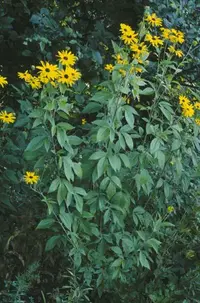
Sweet coneflower (Rudbeckia subtomentosa) is a hardy, herbaceous perennial grown mainly for its late-summer yellow daisylike flowers with dark central cones. Plants form upright clumps with branching stems and coarse, often softly hairy foliage, giving good height and structure in mixed borders or prairie-style plantings.
This species is native to central United States prairies and open meadows, where it thrives in full sun and seasonally moist, well-drained soils. It is valued for its long bloom period, strong stems, and good cold tolerance, which generally makes it straightforward to care for sweet coneflower in typical garden conditions.
The plant suits naturalistic designs and wildlife-friendly gardens, as its flowers attract bees and butterflies. It tolerates a range of soils, provided drainage is reasonable and moisture does not stay extreme for long periods.

Care Difficulty
Easy Care

Light Preference
Full Sun

Water Requirements
Moderate Water

Temperature Preference
Cold Hardy

Hardiness Zone
4–8

Soil Texture
Loamy, Clay, Organic-rich

Soil pH
Acidic (5.5–6.5), Slightly acidic (6.5–7.0)

Soil Drainage
Moist but well-drained

Fertilization
Minimal (feed rarely)
Scan your plant to receive care tips personalized for your specific plant
Available on iOS and Android
Rudbeckia subtomentosa performs best in bright outdoor conditions with consistent direct sun.
Rudbeckia subtomentosa prefers evenly moist, well-drained soil once established in the garden.
This hardy perennial tolerates a wide temperature range but flowers best in moderate summer conditions.
Humidity is not a key factor for Rudbeckia subtomentosa, which thrives in typical outdoor conditions around 30–60%.
Rudbeckia subtomentosa prefers moderately fertile, slightly moist, well-drained soil that does not stay waterlogged.
This species can be grown in containers if the pot size, depth, and stability are managed carefully for its tall growth.
This prairie perennial benefits from modest feeding to support flowering but does not need heavy fertilizer.
Thoughtful pruning helps Rudbeckia subtomentosa stay upright, tidy, and long-blooming.
This deep-rooted perennial is usually grown in the ground, so transplanting established clumps is more relevant than repotting.
This species is commonly propagated by division and by seed for garden and restoration use.
This hardy perennial needs minimal winter care in most temperate climates.

Plant Health Check
Not sure what's wrong with your plant? Check your plant's health inside the app.
This species naturally flowers very late in the season, often from late summer into early fall, filling a floral gap in North American tallgrass prairies when many other native species have finished blooming.
Its yellow ray flowers and dark central discs release a noticeable sweet, anise-like fragrance, which is uncommon among many other coneflower relatives that are typically only faintly scented.
The leaves and stems are covered with short, soft hairs, giving them a subtly velvety texture that helps reduce water loss and may deter some herbivores in its native Midwestern habitats.

Genetic and field studies have shown that this species plays a valuable role in supporting late-season pollinators, including native bees and butterflies, in remnant tallgrass prairie ecosystems where floral diversity has been reduced by agriculture and development.
Lack of blooms often comes from too much shade, soil that is overly rich in nitrogen, or crowding. Division every 3–4 years, moderate fertility, and full sun exposure usually restore reliable flowering when growing sweet coneflower.
Keep your plants happy and healthy with plant identification, disease detection, and easy care guidance.

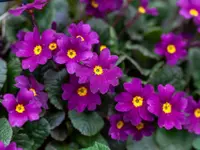
Poison Primrose
Primula obconica
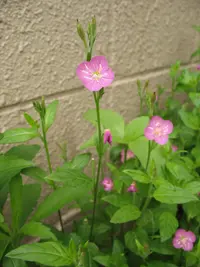
rose evening primrose
Oenothera rosea
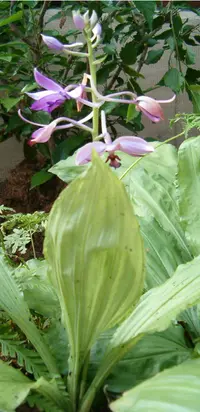
Calanthe sylvatica
Calanthe sylvatica
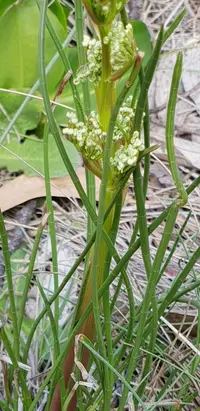
Mountain Aciphyll
Aciphylla simplicifolia
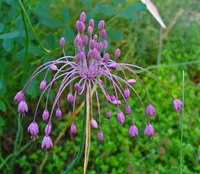
Keeled Garlic
Allium carinatum
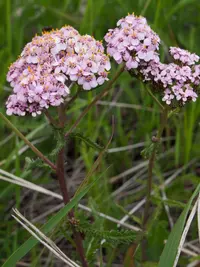
Pink Rose Yarrow
Achillea × roseoalba
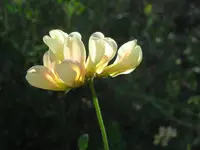
chaparral bird's-foot trefoil
Acmispon grandiflorus

Acianthus amplexicaulis
Acianthus amplexicaulis