


Cool rest period
Provide a distinct cool rest from late fall to early spring by moving the plant to 50–59°F and reducing, but not stopping, watering to support reliable flowering the following season.

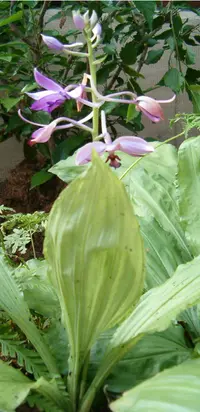
Calanthe sylvatica is a terrestrial orchid, meaning it grows in soil rather than on trees. It forms clumps of pleated green leaves with upright spikes of colorful, often purple or white, flowers.
This species occurs naturally in parts of tropical Africa, where it grows in moist, shaded forest habitats. Its growth habit is moderately vigorous but not invasive under garden or container conditions.
It is considered a rewarding but slightly more advanced orchid, as it prefers consistent moisture, good drainage, and protection from strong sun. Understanding how to care for Calanthe sylvatica helps prevent problems with rot or poor flowering.

Care Difficulty
Moderate Care

Light Preference
Partial Shade

Water Requirements
Keep Soil Moist

Temperature Preference
Warm Climate

Hardiness Zone
10–11

Soil Texture
Loamy, Peaty, Organic-rich

Soil pH
Acidic (5.5–6.5)

Soil Drainage
Moist but well-drained

Fertilization
Light (every 4–6 weeks)
Scan your plant to receive care tips personalized for your specific plant
Available on iOS and Android
This woodland orchid prefers bright, filtered light that mimics dappled forest shade.
This terrestrial orchid needs evenly moist, never waterlogged soil during the growing season.
This species prefers mild, frost-free conditions similar to a cool, sheltered woodland.
This terrestrial orchid prefers moderate to high humidity and reacts quickly to very dry air.
This species needs a loose, humus-rich, well-drained yet evenly moist growing medium.
This orchid is well suited to container growing when moisture and stability are carefully managed.
This terrestrial orchid benefits from modest, targeted feeding rather than heavy fertilization.
Pruning needs are light and focus on cleanliness and maintaining flowering performance.
This species prefers stable conditions and is disturbed only when growth or root congestion demands it.
Propagation is usually done by careful division of mature clumps rather than from seed.
This orchid prefers cool, frost-free winters and benefits from protection in colder climates.

Plant Health Check
Not sure what's wrong with your plant? Check your plant's health inside the app.
This species is one of the few orchids that grows in soil on the forest floor rather than on trees, forming sturdy pseudobulbs that store water and nutrients for seasonal growth.
In the wild it occurs from lowland to montane forests in parts of tropical Africa, showing notable adaptability to different light and temperature regimes compared with many narrowly specialized orchids.
The plant produces erect inflorescences with relatively large, often lilac to purple flowers that can remain attractive for several weeks under suitable conditions, which is one reason orchid growers value growing Calanthe sylvatica.
This species usually blooms in late spring to early summer, depending on climate. The flowering period often lasts several weeks, with individual flowers opening successively along the spike, giving a longer display than many other terrestrial orchids.
Keep your plants happy and healthy with plant identification, disease detection, and easy care guidance.

 POPULAR
Begonia amphioxus
Begonia amphioxus
Red Abyssinian Banana
Ensete ventricosum 'Maurelii'
Rose
Rosa 'Joseph's Coat'
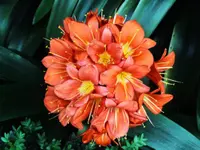 POPULAR
Bush Lily
Clivia miniata

Dracaena francisii
Dracaena francisii
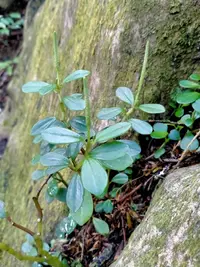
Peperomia urvilleana var. fijiana
Peperomia urvilleana var. fijiana
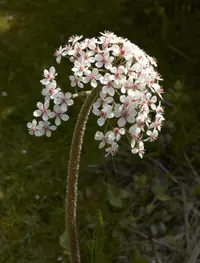
Indian rhubarb
Darmera peltata
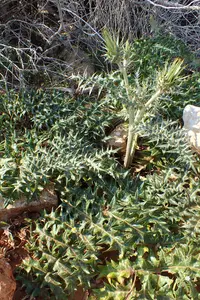
White Artichoke
Cynara cornigera