rose evening primrose Care (Oenothera rosea)

Also known as: pink evening primrose
rose evening primrose

About rose evening primrose

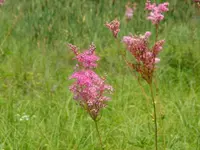
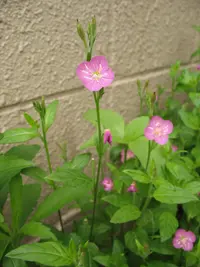
Rose evening primrose (Oenothera rosea) is a low, spreading perennial often grown as a groundcover in mild climates. It forms loose mats of slender stems with small, bright pink, four-petaled flowers.

This species is native to Mexico and parts of Central America but is grown in gardens in many warm and temperate regions. It tends to self-seed and can naturalize where conditions suit it.

The plant is generally easy to grow, as it tolerates poor soils and short dry spells once established. To care for rose evening primrose, gardeners usually provide full sun, well-drained soil, and modest, regular moisture during active growth.

Main Plant Requirements

Care Difficulty

Easy Care

Light Preference

Full Sun

Water Requirements

Moderate Water

Temperature Preference

Warm Climate

Hardiness Zone

7–10

Soil Texture

Sandy, Loamy, Rocky

Soil pH

Acidic (5.5–6.5), Slightly acidic (6.5–7.0)

Soil Drainage

Well-drained

Fertilization

Minimal (feed rarely)

Get Personalized Care Plan

Scan your plant to receive care tips personalized for your specific plant

Available on iOS and Android

How to Care for the rose evening primrose

This compact perennial thrives in open, bright sites with plenty of direct sun.

  • Provide 6–8 hours of direct sun daily; morning sun with light afternoon shade is ideal in hot summer regions to prevent leaf scorch.
  • Plant rose evening primrose in an unshaded or lightly filtered spot; it tolerates light afternoon shade but flowering drops in sites with less than 4–5 hours of sun.
  • In cooler seasons or coastal climates, full sun all day is suitable, while in very hot inland areas, protect from intense 2–5 p.m. sun.

This species prefers slightly dry, well-drained soil and is more tolerant of drought than excess moisture.

  • Water when the top 3–5 cm of soil feels dry, allowing the soil to dry between soakings; avoid frequent shallow watering that encourages weak roots.
  • Use gritty, free-draining soil so water runs through quickly; Oenothera rosea is prone to root rot in compacted or waterlogged ground.
  • In cooler seasons reduce watering as growth slows; wilting with dry soil indicates underwatering, while yellowing, soft stems in damp soil suggest overwatering.

This plant is adapted to warm temperate climates and tolerates both summer heat and light winter chill.

  • Aim for active growth in 65–80°F (18–27°C); flowering is typically strongest within this range during late spring and summer.
  • Established plants tolerate brief drops to about 20°F (-6°C), but repeated hard frosts below this can damage crowns, especially in poorly drained soil.
  • In hot regions, plants handle up to 95°F (35°C) if soil is not waterlogged; mulch lightly to buffer temperature swings and protect roots over winter.

Humidity is rarely critical for this drought-tolerant species when grown outdoors.

This plant prefers lean, well-drained soil that does not stay wet after rain or watering.

  • Use sandy or sandy-loam soil with low to moderate organic matter to mimic its naturally dry habitats.
  • Aim for slightly acidic to neutral pH around 6.0–7.0, avoiding strongly acidic or alkaline conditions that limit nutrient uptake.
  • Improve drainage and aeration by blending native soil with coarse sand or fine gravel, plus a small amount of compost.
  • Avoid compacted clay, waterlogged spots, or heavy peat-based mixes that hold moisture around the roots for long periods.

This species can grow well in containers if drainage and soil dryness are controlled carefully.

  • Select a wide, shallow container to accommodate its spreading habit and prevent dense root congestion near the surface.
  • Use a very free-draining mix, such as 2 parts potting soil with 1 part coarse sand or grit, to keep roots dry between waterings.
  • Choose a porous pot material like unglazed terracotta to allow faster evaporation, which suits this drought-tolerant plant.

This low-maintenance perennial needs only light feeding to flower well in average garden soil.

  • Apply a thin layer of garden compost or well-rotted manure around plants in early spring to support growth.
  • Use a balanced, slow-release fertilizer (around 10-10-10) once per growing season if soil is poor.
  • Dilute liquid fertilizer to 1/2 strength for container-grown rose evening primrose every 4–6 weeks in spring–summer.
  • Stop feeding in late summer so new growth can harden before winter, avoiding soft, frost-prone tissue.

Pruning helps Oenothera rosea stay compact and encourages continued flowering.

  • Shear back spent flower stems in mid to late summer to stimulate fresh blooms and denser growth.
  • Remove dead, diseased, or storm-damaged stems at the base whenever noticed using clean, sharp scissors or hand pruners.
  • Thin out crowded or sprawling shoots in spring to maintain an open clump and reduce humidity around the crown.
  • Deadhead faded blooms before they set seed if self-sowing is not desired and to keep the plant tidy.

This species is more often transplanted in garden beds than repotted, as it forms spreading clumps.

  • Transplant in early spring or early fall when temperatures are mild and soil is workable.
  • Move plants if growth declines, clumps become congested, or stems crowd neighboring plants every 3–4 years.
  • Dig widely around the clump, keeping a generous soil ball to limit root damage and post-move stress.
  • Replant at the same depth in well-drained soil, water thoroughly, then shade lightly for a few days in hot weather.

Propagation of this plant is straightforward through both seed and division under basic garden conditions.

  • Divide mature clumps in early spring or early fall, separating sections with several shoots and healthy roots.
  • Sow fresh seeds in trays or directly outdoors in spring, just covering them with a thin layer of fine soil.
  • Keep germinating seeds and new divisions in evenly moist, well-drained soil with good light but no harsh midday sun.
  • For Oenothera rosea care during establishment, avoid heavy fertilization and waterlogging until roots are well developed.

This perennial is generally cold hardy in temperate climates and needs minimal winter attention once established.

  • Tolerates light to moderate frosts when planted in well-drained soil, especially in sheltered beds.
  • Apply a 3–5 cm layer of organic mulch around the root zone in late fall, keeping it off the crown.
  • For container plants in colder regions, move pots to a frost-free but cool, bright area until spring.

Care Tips

Shear After Flush

Lightly shear the plant back by 5–8 cm after the main flush of blooms to encourage a denser mat of foliage and a second, lighter flowering period later in the season.

Control Self-Seeding

Deadhead most spent flowers before seed capsules mature, leaving only a few if seed is desired, to prevent the plant from spreading aggressively into adjacent beds or lawn.

Edge Containment Strip

Install a shallow edging barrier 5–8 cm deep around beds to limit stolon and root spread into pathways or turf, especially in light, sandy soils.

Dry-Site Weed Suppression

Use established plants as a low, competitive groundcover in sunny, dry areas to suppress light weed growth, but spot-weed early so that aggressive perennials do not overrun the mat.

Monitor For Rust

Inspect foliage every 1–2 weeks during warm, humid spells for orange or brown rust pustules and promptly remove affected leaves or thin crowded patches to improve air flow when caring for rose evening primrose.

Common Pests and Diseases

Aphids

This pest feeds on tender shoots and flower buds, causing curling, distortion, and sticky honeydew that can attract sooty mold. Infestations are more common on lush, fertilized growth and in sheltered garden spots.

Solution

Spray colonies off rose evening primrose with a strong stream of water, then treat remaining insects with insecticidal soap or a light horticultural oil, making sure to coat leaf undersides and buds. Encourage natural predators such as lady beetles and avoid high-nitrogen fertilizer that promotes overly soft growth.

Spider mites

These insects are tiny sap feeders that create fine webbing on foliage, causing stippled, dull, or bronzed leaves, especially in hot, dry weather. Symptoms include leaf drop and general decline when populations are high.

Solution

Increase humidity around plants with regular hosing of the foliage and keep the soil evenly moist but not waterlogged during heat spells. If needed, use insecticidal soap or a miticide labeled for ornamentals, repeating applications as directed and focusing on the undersides of leaves where mites concentrate.

Leaf spot

This disease causes small brown, tan, or purplish spots on leaves that may merge into larger blotches, making clumps of rose evening primrose look thin or ragged. Symptoms include premature yellowing and leaf drop from the lower parts of the plant upward.

Solution

Remove and discard affected leaves and any heavy thatch around the plant, then water at soil level to keep foliage dry. Improve air circulation by spacing plants properly and, if the problem persists, apply a fungicide labeled for ornamental leaf spots early in the season according to label directions.

Powdery mildew

This disease produces a white, powdery coating on leaves, stems, and sometimes flower buds, often in conditions with warm days and cool, humid nights. Symptoms include distorted new growth and reduced flowering if infection is severe.

Solution

Improve air movement by thinning nearby vegetation and avoid overhead watering in the evening. At the first sign of powdery growth, remove the worst-affected foliage and apply a sulfur or potassium bicarbonate fungicide labeled for ornamentals, ensuring thorough coverage of both leaf surfaces.

Interesting Facts

Twilight-opening flowers

The pink flowers typically open in late afternoon or early evening and often close by the following morning, matching the activity time of their main pollinators such as moths and small bees.

Self-sowing groundcover

This species forms low, spreading mats and readily self-seeds, allowing it to create loose carpets of flowers in suitable open, sunny sites without aggressive rhizomes.

Tolerance of poor soils

In its native range from Mexico to parts of Central and South America, it commonly grows in disturbed, nutrient-poor ground, showing notable tolerance for compacted or sandy soils as long as drainage is good.

Botan icon

Did you know?

This small wildflower has become naturalized in several regions outside its native range, including parts of the southern United States, where it often appears along roadsides, lawns, and waste places as a volunteer ornamental escape from gardens.

FAQs about rose evening primrose

This species spreads moderately by seed and short rhizomes, forming low patches over time. It usually is not a serious garden problem, but in mild climates it can self-seed freely if spent flowers are not removed.

Grow Healthy Plants with Botan Care

Keep your plants happy and healthy with plant identification, disease detection, and easy care guidance.

Botan plant care app — identify plants on mobile

Explore More Plants