Pink Rose Yarrow Care (Achillea × roseoalba)

Pink Rose Yarrow

About Pink Rose Yarrow

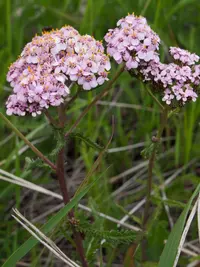
Pink rose yarrow (Achillea × roseoalba) is a herbaceous perennial known for its flat clusters of soft pink flowers and finely divided, fern-like foliage. It forms low, spreading clumps topped with upright flowering stems, giving a tidy yet natural look in borders and meadow-style plantings.

This hybrid yarrow traces its origins to European species, but is now widely grown in temperate gardens. It is valued for long blooming, strong stems suitable for cutting, and good drought tolerance once established.

Gardeners often find it straightforward to care for Pink Rose Yarrow because it adapts well to full sun, lean or average soil, and relatively low moisture, as long as drainage is good.

Main Plant Requirements

Care Difficulty

Easy Care

Light Preference

Full Sun

Water Requirements

Low Water

Temperature Preference

Cold Hardy

Hardiness Zone

3–9

Soil Texture

Sandy, Loamy, Rocky

Soil pH

Slightly acidic (6.5–7.0), Slightly alkaline (7.0–7.5)

Soil Drainage

Well-drained

Fertilization

Minimal (feed rarely)

Get Personalized Care Plan

Scan your plant to receive care tips personalized for your specific plant

Available on iOS and Android

How to Care for the Pink Rose Yarrow

Achillea × roseoalba thrives in bright, open positions with strong sun exposure.

  • Provide 6–8 hours of direct sun daily; full sun promotes compact growth and abundant blooms in Pink Rose Yarrow.
  • Plant where it receives morning to early afternoon sun; light afternoon shade in very hot climates reduces leaf scorch and flower fade.
  • In partial shade (3–4 hours sun), flowering decreases and stems stretch; avoid dense shade, which leads to weak, floppy growth and fewer blooms.

Achillea × roseoalba prefers drier conditions and is sensitive to consistently wet soil.

  • Allow the top 5–8 cm of soil to dry before watering; soil should feel dry and crumbly rather than cool and moist to the touch.
  • Water deeply but infrequently, then let excess drain away; in hot, dry summer periods, watering may be needed once the foliage begins to relax or slightly wilt.
  • Reduce watering in cool seasons; signs of overwatering include yellowing, soft stems, and root rot, while severe wilting and crisp foliage indicate prolonged drought stress.

This yarrow is a hardy perennial that tolerates a wide temperature range once established.

  • Optimal growth occurs around 65–80°F (18–27°C), with strong flowering in warm but not extreme summer conditions.
  • The plant is cold-hardy and can survive winter lows near 0°F (−18°C) when grown in the ground and given good drainage.
  • It tolerates short heat waves up to about 95°F (35°C) if soil is not waterlogged, but extreme heat combined with drought can scorch foliage and reduce flowering.

This species is highly tolerant of dry air and usually does not need humidity adjustment outdoors or indoors.

  • Ideal humidity is around 30–50%, similar to most heated homes or dry summer air.
  • Plants tolerate lower humidity well but may show leaf tip browning and reduced flowering under extremely dry, hot indoor air.
  • If kept indoors in very dry conditions, place nearby trays of water and stones or group with other plants to slightly raise local humidity.

Achillea × roseoalba grows best in light, well-drained mineral soils that never stay waterlogged.

  • Use sandy or loamy soil with a gritty structure; combine roughly 50–60% garden soil, 20–30% coarse sand, and 10–20% compost.
  • Ensure rapid drainage; add extra coarse sand or fine gravel if water does not clear from the surface within a few minutes after watering.
  • Aim for slightly alkaline to neutral pH, around 6.5–7.5; avoid strongly acidic mixes that can limit nutrient availability.
  • Avoid heavy clay, peat-heavy, or compacted soils, which hold excess moisture and reduce aeration around the roots.

This plant is suitable for container growing in sunny outdoor spots if drainage and root space are managed carefully.

  • Choose a wide, relatively shallow pot to match the fibrous, spreading root system and support its clumping habit.
  • Use a heavy, stable container material such as clay or ceramic to prevent the top growth from making the pot tip in wind.
  • Raise the container slightly on pot feet or bricks so drainage holes stay clear and water drains away quickly after rain or irrigation.

Achillea × roseoalba grows best in lean soil and usually needs only light feeding.

  • In average garden beds, apply a thin layer of compost in early spring to support flowering without making growth floppy.
  • For container plants, use a balanced, slow-release fertilizer (around 10-10-10) at half strength at the start of the growing season.
  • Avoid high-nitrogen products, which encourage weak, lush stems and reduce blooms on Pink Rose Yarrow.
  • Stop feeding by late summer; do not fertilize in winter when growth is dormant.

Pruning Achillea × roseoalba maintains compact growth and encourages prolonged flowering.

  • In summer, deadhead spent flower clusters with clean hand pruners to stimulate new blooms.
  • Remove dead, damaged, or flopping stems at the base to improve air flow and reduce disease risk.
  • In late fall or very early spring, cut back old stems to 5–8 cm above ground to tidy the clump.
  • Thin crowded shoots during spring growth to keep a balanced shape and prevent lodging.

This yarrow is usually grown in garden beds and benefits more from periodic division and transplanting than from frequent repotting.

  • Plan transplanting or division in early spring or early fall when temperatures are mild and soil is workable.
  • Lift and divide clumps every 3–4 years, especially if flowering declines or the center dies out.
  • For container-grown plants, check for roots circling the pot or slow growth, then shift to a slightly larger container with free-draining soil.
  • Water thoroughly after moving plants, keep soil lightly moist for 1–2 weeks, and shade from intense sun to reduce root stress.

Propagation of Achillea × roseoalba is commonly done to refresh plantings and expand drifts.

  • Divide established clumps in early spring or early fall, replanting vigorous outer sections at the same depth.
  • Take 7–10 cm softwood stem cuttings in late spring, dip in rooting hormone, and place in a sterile, free-draining mix.
  • Sow seeds in spring on the surface of light seed compost, lightly covering, and keep at 65–70°F with steady moisture.
  • Provide bright, indirect light and good air circulation for cuttings and seedlings to limit rot and encourage strong rooting.

Achillea × roseoalba is generally cold hardy in most temperate gardens and needs minimal winter care.

  • Allow stems to stand over winter in colder regions to give extra crown insulation, then cut back in late winter.
  • Apply a light mulch layer (2–5 cm) around, not on top of, the crown in areas with freeze–thaw cycles.
  • For container plants in very cold climates, move pots to a sheltered, unheated area to keep roots from repeated freezing and thawing.

Care Tips

Staggered Division

Divide mature clumps every 3–4 years in early spring, replanting only the most vigorous outer sections to maintain strong flowering and prevent the center from becoming woody and sparse.

Targeted Flower Thinning

On very vigorous plants, remove a portion of developing side buds early in the season so the remaining flower stems are thicker, less likely to flop, and produce larger, showier flower heads.

Pinch For Compactness

Pinch or lightly shear the stems back by 5–8 cm when they reach about 15–20 cm tall to encourage bushier growth with more flowering stems and improved wind resistance.

Preventive Rust Management

Inspect lower leaves weekly in humid weather and promptly remove any foliage showing orange or brown pustules, then dispose of it in the trash and water only at the base to limit yarrow rust spread.

Minimal Support Technique

In windy or exposed sites, insert discreet low hoops or a short mesh grid around the plant in late spring so the new growth can grow through and self-support without needing visible individual stakes, which is very effective when growing Pink Rose Yarrow in mixed borders.

Common Pests and Diseases

Aphids

These insects cluster on young stems and flower stalks, sucking sap and causing distorted growth and sticky honeydew on foliage. Symptoms include curling tips, stunted flower stems, and sooty mold growing on the honeydew in humid weather.

Solution

Prune off heavily infested stems, then wash remaining shoots with a firm stream of water to dislodge aphids. If needed, apply insecticidal soap or a light horticultural oil in the early morning, repeating every 5–7 days until populations drop, and avoid excess nitrogen fertilizer that encourages soft, aphid-prone growth.

Spittlebugs

These insects produce white, frothy masses on stems and in leaf joints, where hidden nymphs feed on plant sap. Symptoms include cosmetic spotting, minor distortion, and reduced vigor when populations are high.

Solution

Pinch or wash off the foam masses with a strong stream of water, targeting the nymphs inside. In larger plantings, reduce dense, weedy growth around yarrow to limit habitat, and only use insecticidal soap if water sprays do not adequately reduce numbers.

Powdery mildew

This disease causes white, powdery patches on leaves and stems, often appearing in late summer when days are warm and nights are cool. Symptoms include dull, grayish foliage and premature leaf yellowing and drop on lower stems.

Solution

Improve air circulation by thinning crowded clumps and avoiding overhead watering in the evening. Remove and dispose of heavily infected stems, water at the base, and if needed use a labeled sulfur or potassium bicarbonate fungicide early in disease development, especially in humid regions when growing Pink Rose Yarrow.

Botrytis blight

This disease produces brown, mushy areas on flower heads and upper stems, often covered with fuzzy gray mold in cool, damp conditions. Symptoms include browning flower clusters, collapse of soft tissues, and lingering gray spores on dead parts.

Solution

Promptly deadhead spent or damaged flower clusters and remove any moldy or water-soaked tissue, disposing of it in the trash. Keep plants on the dry side, water only at soil level in the morning, and reduce overcrowding so foliage dries quickly after rain.

Leaf spot

This disease causes small brown, tan, or purplish spots on lower leaves that can merge into larger blotches, leading to leaf yellowing and premature drop. Symptoms include thinning foliage at the base of the clump and a speckled appearance on remaining leaves.

Solution

Remove and discard affected lower leaves and all fallen debris around the crown to reduce reinfection. Space plants to improve airflow, avoid wetting foliage, and if spots recur annually, apply a labeled copper- or chlorothalonil-based fungicide early in the season according to label directions.

Interesting Facts

Hybrid between color forms

This plant is a stabilized hybrid selection that arose from crosses between pink and white forms of yarrow, combining the softer rose tones with the more typical white yarrow flower structure.

Disc flowers change tone

The central disc florets often open a stronger pink and then fade to a paler blush or near white over time, so a single flower head can show several pink intensities at once.

Flat umbels for pollinators

Its dense, flat-topped flower clusters provide a convenient landing platform for small bees, hoverflies, and predatory wasps, which can move efficiently across the many tiny florets in one visit.

FAQs about Pink Rose Yarrow

Lack of blooms usually comes from too much shade, overly rich or wet soil, or no deadheading. Divide crowded clumps every 3–4 years and remove spent flower heads to keep energy going into new buds when growing Pink Rose Yarrow.

Grow Healthy Plants with Botan Care

Keep your plants happy and healthy with plant identification, disease detection, and easy care guidance.

Botan plant care app — identify plants on mobile

Explore More Plants