alyssum Care (Alyssum simplex)

Also known as: Field Alison
alyssum

About alyssum

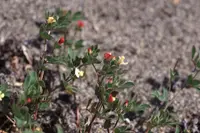
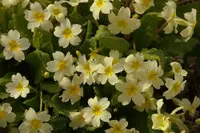
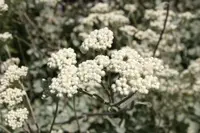
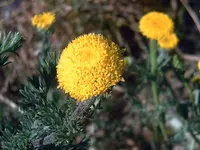
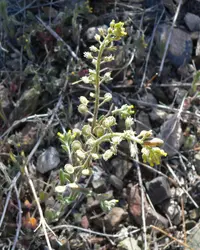
Alyssum simplex is a small annual flowering plant in the mustard family, known for its airy clusters of tiny, usually white to pale yellow blooms. Plants form low, branching mounds that fit well in rock gardens, borders, or naturalized settings.

It is native to dry, open habitats in parts of Europe, North Africa, and western Asia, where it copes well with poor, well-drained soils. The species is generally easy to grow if given plenty of sun and not overwatered.

Because it thrives in lean, gritty substrates and tolerates some drought, many gardeners find it straightforward to care for alyssum in typical outdoor conditions.

Main Plant Requirements

Care Difficulty

Easy Care

Light Preference

Full Sun

Water Requirements

Moderate Water

Temperature Preference

Cool Climate

Hardiness Zone

4–9

Soil Texture

Sandy, Loamy, Rocky

Soil pH

Slightly acidic (6.5–7.0), Slightly alkaline (7.0–7.5)

Soil Drainage

Well-drained

Fertilization

Minimal (feed rarely)

Get Personalized Care Plan

Scan your plant to receive care tips personalized for your specific plant

Available on iOS and Android

How to Care for the alyssum

This species prefers bright outdoor conditions with several hours of direct sun for compact flowering growth.

  • Provide 6–8 hours of direct sun, with morning sun and light afternoon shade ideal in hot summer areas to reduce stress.
  • Tolerates light or dappled shade for part of the day, but flower density and fragrance decline noticeably with less than 4 hours of sun.
  • Watch for pale, stretched stems in shade (too little light) and crisped foliage or scorched blooms in intense afternoon sun, especially near reflective surfaces.

Soil moisture for Alyssum simplex should stay on the drier side, supported by fast drainage.

  • Water only when the top 2–3 cm of soil are dry, letting water run through freely so roots do not sit in puddled or compacted soil.
  • Reduce watering during cool or cloudy periods and in late season, increasing slightly during prolonged dry, windy, or very hot weather.
  • Suspect overwatering if foliage yellows from the base and stems soften; suspect underwatering if plants wilt at midday and do not perk up by evening after cooling.

Temperature strongly influences growth speed, flowering length, and overall vigor in this cool-season annual.

  • Optimal growth occurs at 55–70°F (13–21°C), where plants flower heavily and maintain compact, dense foliage.
  • Tolerates light frosts down to about 28°F (-2°C), but repeated freezes or hard frosts below this range damage flowers and may kill young plants.
  • Handles short heat spells up to 85–90°F (29–32°C) if soil is not waterlogged, but flowering slows in sustained heat and may resume as temperatures cool in late summer or fall.

This species grows well in typical outdoor humidity and rarely needs special humidity management.

  • Prefers 40–60% humidity but tolerates significantly drier air in sunny, open sites.
  • Dry, hot winds may cause leaf edge browning and faster flower drop, mimicking drought stress.
  • In very arid climates, group alyssum with other plants or use a nearby water tray to slightly raise local humidity without wetting foliage.

Alyssum simplex prefers light, well-drained mineral soils rather than dense, moisture-retentive substrates.

  • Use a sandy or loamy mix with low to moderate organic matter, such as 2 parts standard potting mix and 1 part coarse sand or fine grit.
  • Ensure rapid drainage; aim for soil that drains within 1–2 minutes after thorough watering to prevent root and crown rot.
  • A slightly alkaline to neutral pH around 6.8–7.5 suits this species, so avoid strongly acidic mixes rich in peat alone.
  • Improve aeration and structure by blending in perlite or pumice and never allowing the soil to compact or stay waterlogged.

This species is well-suited to container growing, especially in sunny patios or balconies.

  • Choose a wide, shallow container to match its spreading, shallow-rooted habit and keep the root zone evenly aerated.
  • Select pots with multiple drainage holes so water exits quickly, reducing the risk of roots sitting in cool, stagnant moisture.
  • Use unglazed terracotta if rainfall is frequent, as the porous walls help excess moisture evaporate and keep the substrate from staying saturated.

Light feeding supports compact growth and steady flowering in Alyssum simplex without causing weak, lush foliage.

  • Use a balanced, water-soluble fertilizer (for example 10-10-10) diluted to 25–50% strength for container plants.
  • Feed every 3–4 weeks during the main growing and flowering season if soil is low in nutrients.
  • In garden beds, mix in a thin layer of compost before planting instead of frequent liquid feeds.
  • Stop or greatly reduce feeding in late fall and winter when growth slows or plants decline.

Thoughtful pruning keeps Alyssum simplex dense, tidy, and blooming for a longer period.

  • Shear back spent flower clusters by about one-third in mid to late season to encourage fresh blooms.
  • Remove dead, damaged, or leggy stems with clean scissors or hand pruners to improve air flow and appearance.
  • Lightly shape the plant after a flush of flowering to maintain a low, compact mound.
  • Discard heavily diseased material rather than composting to reduce reinfection risk.

This species is usually grown as a short-lived annual, so transplanting Alyssum simplex is more relevant than long-term repotting.

  • Transplant young seedlings outdoors after frost risk passes, when roots hold the plug but are not circling tightly.
  • Choose a sunny site with well-drained soil and space plants so foliage barely touches at maturity.
  • Water well before and after moving seedlings to limit root stress and help soil settle around roots.
  • Containers rarely need upsizing because plants are temporary; replace with fresh seedlings each season instead of disturbing older root systems.

Gardeners most often renew Alyssum simplex from seed rather than from cuttings or division.

  • Sow seeds in early spring under cover or directly outdoors once frost danger has passed.
  • Press seeds lightly into moist, well-drained mix; do not bury deeply, as light aids germination.
  • Maintain temperatures around 60–70°F and even moisture until seedlings emerge.
  • Thin crowded seedlings so that remaining plants have good air flow and room to form low, flowering mounds.

Alyssum simplex is typically grown as an annual and needs minimal winter care in most climates.

  • In cold regions, allow plants to finish their life cycle and collect mature seed heads before hard freezes.
  • Self-sown seedlings may appear in spring if some seed is left on the soil surface.
  • Container plants can be discarded at season’s end and replaced from seed or nursery packs next year.

Care Tips

Encourage continuous bloom

Shear plants back by about 1/3 with clean scissors once the first flush of flowers fades to promote dense regrowth and a longer flowering season when growing alyssum.

Use light gravel mulch

Apply a thin 0.5–1 in layer of fine gravel around the plants to suppress soil splash, reduce weed competition, and keep the shallow crown from staying wet after rain.

Staggered sowing strategy

Sow small batches of seed every 3–4 weeks in spring and early summer so that older, tired patches can be replaced by fresh, vigorous flowering carpets without gaps.

Support in windy spots

In exposed sites, run a low string between small stakes along the row to prevent sprawling mats from lifting or tearing in strong winds and to keep the flower carpet even.

Heat-stress management

In very hot spells, lightly thin congested clumps and remove some older, woody stems to improve air movement through the mat and reduce stress-related dieback.

Common Pests and Diseases

Downy mildew

This disease causes yellow, pale, or angular leaf spots with a fine grayish or purplish fuzz on the undersides, especially in cool, humid weather. Symptoms include slowed growth and patchy dieback in dense plantings.

Solution

Improve air circulation by thinning crowded plants and avoid overhead watering, especially late in the day. Remove and dispose of affected foliage, water at soil level, and, if conditions stay cool and damp, use a copper- or phosphorous acid-based fungicide labeled for ornamentals as part of Alyssum simplex care.

White rust

This disease produces small pale spots on the upper leaf surface and white blister-like pustules on the undersides. Symptoms include leaf distortion and premature leaf drop in severe cases.

Solution

Promptly remove and discard affected leaves to reduce spore spread and avoid overhead watering. Rotate planting areas if possible, keep foliage dry, and use a registered ornamental fungicide for rust diseases when infections are recurrent or severe.

Flea beetles

These insects chew many tiny round holes in leaves, giving foliage a shot-hole or lace-like appearance, and can stunt young seedlings. This pest is especially noticeable in warm, dry weather on plants in the brassica family, including Alyssum simplex.

Solution

Use floating row covers or fine insect netting over young plants, and keep nearby weeds down to reduce beetle habitat. For heavy infestations, apply a spinosad or pyrethrin-based spray in the evening, following the label, and reapply after rain if needed.

Cabbage aphids

These insects cluster on tender stems and flower stalks, producing sticky honeydew and sometimes causing leaf curling or yellowing. This pest favors plants in the mustard family and often appears in dense alyssum borders and pollinator strips.

Solution

Spray colonies off with a firm stream of water, then treat remaining aphids with insecticidal soap or a light horticultural oil, covering undersides of leaves. Encourage natural enemies like lady beetles by avoiding broad-spectrum insecticides and limiting nitrogen-rich fertilization.

Botrytis blight

This disease causes soft, brown, water-soaked spots on flowers and leaves that quickly develop a fuzzy gray mold, especially on aging blooms in cool, damp weather. Symptoms include collapse of flower clusters and decay of crowded interior stems.

Solution

Remove spent flowers and affected plant parts promptly and dispose of them in the trash, not compost. Improve airflow, water early in the day at soil level, and in persistent wet conditions consider a fungicide labeled for gray mold on ornamentals to protect healthy tissue.

Interesting Facts

Nickel-tolerant pioneer

Alyssum simplex is documented as a metallophyte, meaning it can colonize soils naturally enriched with heavy metals such as nickel, where many other species struggle to survive.

Mediterranean steppe specialist

This species is native to dry, open habitats in Mediterranean and steppe regions, where it completes its life cycle quickly in spring before heat and drought intensify.

Early-season pollinator resource

Its small, pale yellow flowers open early in the season and provide nectar and pollen to small bees, flies, and other insects in sparse, rocky landscapes where floral resources are limited.

FAQs about alyssum

Poor flowering usually comes from too much shade, excess nitrogen fertilizer, or plants getting old and woody. Lightly shear back spent flower stems and avoid rich feeding. Consistent, moderate care supports longer bloom periods when growing alyssum.

Grow Healthy Plants with Botan Care

Keep your plants happy and healthy with plant identification, disease detection, and easy care guidance.

Botan plant care app — identify plants on mobile

Explore More Plants