Protective siting
Plant away from high-traffic paths and children’s play areas, and use clear edging or low rocks to mark the clump so the rigid spines do not cause accidental injury during routine garden work.

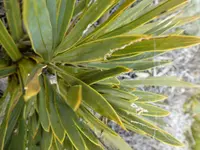
Fierce Spaniard, Aciphylla ferox, is a hardy perennial from New Zealand’s alpine and subalpine grasslands. It forms dense clumps of rigid, sharply spined, sword-like leaves. This architectural plant develops tall flowering stems with clusters of small yellow flowers, giving it a striking, sculptural presence in rocky or gravelly landscapes. It grows slowly and resents disturbance, so it suits patient gardeners prepared to provide stable conditions. Fierce Spaniard prefers full sun, free-draining soil, and low to moderate moisture, making it better suited to outdoor rock gardens than containers. Understanding how to care for fierce Spaniard helps owners avoid overwatering and root problems.

Care Difficulty
Hard Care

Light Preference
Full Sun

Water Requirements
Low Water

Temperature Preference
Cold Hardy

Hardiness Zone
7–9

Soil Texture
Sandy, Loamy, Rocky

Soil pH
Slightly acidic (6.5–7.0), Neutral (7.0)

Soil Drainage
Well-drained

Fertilization
Minimal (feed rarely)
Scan your plant to receive care tips personalized for your specific plant
Available on iOS and Android
This alpine rosette prefers bright, open conditions that mimic high-country grasslands.
This plant is adapted to free-draining, often dry, mountain soils and dislikes prolonged wetness.
This hardy species tolerates a wide temperature range but grows best in cool, open conditions.
This species from dry New Zealand habitats prefers low to moderate humidity and generally does not need special humidity management.
This alpine species needs sharply drained, mineral-rich soil to prevent root rot and mimic its native rocky slopes.
This species can be grown in containers if the pot mimics a deep, fast-draining rocky habitat.
This tough, slow-growing alpine species from New Zealand needs very little feeding under most conditions.
Aciphylla ferox requires minimal pruning, mainly for safety and cleanliness rather than shaping.
This deep-rooted species dislikes disturbance, so transplanting should be rare and carefully planned.
This species is most reliably propagated from seed, but the process is slow and requires patience and suitable conditions.
This alpine plant is quite cold hardy and usually needs little winter care in well-drained outdoor sites.

Plant Health Check
Not sure what's wrong with your plant? Check your plant's health inside the app.
This New Zealand alpine species has extremely rigid, spear-like leaf segments with sharp tips that can pierce skin and clothing, an adaptation thought to deter browsing by large now-extinct birds such as moa.
Aciphylla ferox naturally occurs on dry, open, rocky slopes and tussock grasslands in the central North Island subalpine zone, where it tolerates strong winds, intense sun, and poor, shallow soils.
The plant sends up a tall, branched flowering stalk bearing many small yellowish flowers in umbrella-like clusters, which collectively provide abundant nectar and pollen for a range of alpine insects.

The specific epithet ferox means fierce or ferocious in Latin and refers to the plant’s intimidating armory of stiff, spiny leaves, making it one of the most visually formidable members of the New Zealand speargrass group.
This species is best grown outdoors in a sunny, open, well-drained site that mimics its native mountain grasslands. Indoors it tends to decline due to low light, stagnant air, and excess moisture around the roots.
Keep your plants happy and healthy with plant identification, disease detection, and easy care guidance.