Lipstick plant Care (Aeschynanthus radicans)

Lipstick plant

About Lipstick plant

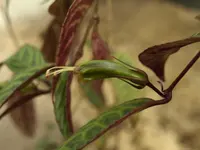
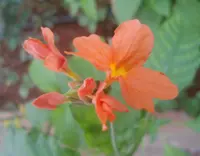
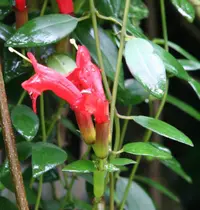
The lipstick plant, Aeschynanthus radicans, is a tropical evergreen vine from Southeast Asian rainforests. It often grows as an epiphyte, anchored on trees rather than in the ground. This plant is known for its glossy green leaves and tubular red flowers that emerge from dark buds, resembling lipstick in a tube. Stems trail or cascade, making it popular for hanging baskets and high shelves. It prefers bright, filtered light, consistent moisture, and a loose, airy potting mix that drains well. When these needs are met, it can be a reliable bloomer and is considered moderately easy to grow. Understanding how to care for Lipstick plant helps prevent leaf drop and poor flowering.

Main Plant Requirements

Care Difficulty

Moderate Care

Light Preference

Bright Indirect Light

Water Requirements

Moderate Water

Temperature Preference

Tropical / Frost Sensitive

Hardiness Zone

11–12

Soil Texture

Loamy, Peaty, Organic-rich

Soil pH

Acidic (5.5–6.5), Slightly acidic (6.5–7.0)

Soil Drainage

Moist but well-drained

Fertilization

Light (every 4–6 weeks)

Get Personalized Care Plan

Scan your plant to receive care tips personalized for your specific plant

Available on iOS and Android

How to Care for the Lipstick plant

This plant prefers bright, filtered light that mimics dappled sun under a tree canopy.

  • Provide 6–8 hours of bright, indirect light each day, such as near an east or bright north window or under light shade outdoors.
  • Allow only gentle early morning sun; protect Lipstick plant from harsh midday or afternoon sun that can scorch leaves or fade color.
  • In winter, move it closer to the light source or supplement with grow lights if stems stretch or new leaves emerge small and pale.

Watering should keep the root zone lightly moist but never saturated for healthy growth.

  • Water when the top 2–3 cm of soil feel dry, letting water flow freely through drainage holes, then discard excess from saucers or cachepots.
  • Use a loose, well-drained mix; persistent wet soil, yellowing leaves, and black, mushy roots indicate overwatering and possible root rot in Aeschynanthus radicans.
  • Slightly reduce watering in winter or in lower light; increase checks in warm, bright seasons if leaves wrinkle, curl, or feel thin from drought stress.

Stable, warm conditions support strong growth and flowering.

  • Aim for 65–80°F (18–27°C) for active growth, avoiding sudden swings that can cause bud drop or leaf shed.
  • Protect the plant from temperatures below 55°F (13°C); it is not frost tolerant and should be sheltered before any risk of freezing.
  • In hot weather above 85°F (29°C), keep it shaded from intense sun, ensure good air movement, and monitor soil moisture so roots do not overheat or dry out completely.

This species prefers moderately high humidity and reacts quickly to very dry air.

  • Aim for 50–70% humidity to keep leaves firm and flowering regular in Lipstick plant.
  • In prolonged dry air, leaf tips brown, buds drop before opening, and foliage may curl slightly inward.
  • Increase humidity with a nearby humidifier, grouped plants, or a pebble tray, but keep leaves dry to reduce fungal risk.

This species performs best in a loose, airy, organic-rich potting mix that drains rapidly.

  • Use a base of all-purpose houseplant or African violet mix, then add 30–40% perlite plus fine orchid bark for structure and air pockets.
  • Target slightly acidic to neutral pH around 6.0–7.0, which supports nutrient uptake and root health in Aeschynanthus radicans.
  • Ensure the mix feels springy rather than dense when squeezed; it should fall apart easily instead of forming a tight ball.
  • Avoid heavy garden soil, pure peat, or any mix that stays wet for days, as this encourages root rot and weak growth.

This trailing species is very suitable for container growing, including hanging baskets and planters.

  • Choose a container depth that allows roots to spread laterally, as they form a fibrous mat rather than a deep taproot.
  • Use a stable hanging basket or a weighted pot to prevent tipping as stems become long and foliage-heavy on one side.
  • Select slightly porous materials like coir or unglazed ceramics when possible to help excess moisture evaporate from the root zone.

Aeschynanthus radicans benefits from light, consistent feeding during active growth for steady foliage and flowering.

  • Use a balanced liquid fertilizer (such as 10-10-10 or 20-20-20) diluted to 1/4–1/2 strength for Lipstick plant.
  • Feed every 2–4 weeks in spring and summer when growth is active.
  • Stop or reduce feeding to once every 6–8 weeks in fall and winter.
  • Avoid heavy applications; flush the pot with plain water occasionally to limit salt buildup.

Pruning Aeschynanthus radicans helps maintain a compact, trailing shape and encourages better flowering.

  • Carry out main pruning in late winter or early spring before strong new growth starts.
  • Remove dead, damaged, or very woody stems back to healthy tissue with clean, sharp scissors or snips.
  • Shorten overly long or sparse vines to promote branching and denser foliage.
  • Pinch soft tips after flowering to stimulate side shoots and more future blooms.

Repotting keeps the root system healthy and supports flowering in this trailing houseplant.

  • Check for roots circling the pot, pushing from drainage holes, or slowed growth as signals to repot.
  • Plan to repot every 2–3 years in spring, just as new growth begins.
  • Move into a pot only 2–4 cm wider, using a well-drained, airy mix formulated for epiphytes or indoor tropicals.
  • Water lightly after repotting, keep in bright but indirect light, and avoid heavy feeding for 2–3 weeks to reduce root stress.

New Aeschynanthus radicans plants are most commonly produced from stem cuttings taken in the growing season.

  • Take 7–10 cm non-flowering stem cuttings in late spring or summer, just below a node.
  • Remove lower leaves and place cuttings in moist, well-draining mix or perlite, with nodes buried slightly.
  • Maintain warmth around 70–80°F, high humidity, and bright, indirect light for reliable rooting.
  • Once roots are 2–3 cm long, pot several cuttings together to create a fuller plant.

This species is frost-sensitive and needs mild, stable conditions during winter, especially in temperate climates.

  • Keep indoor temperatures around 60–70°F and avoid drafts or sudden cold air near windows.
  • If grown outdoors in warm seasons, move containers indoors before temperatures drop below 55°F.
  • Provide bright, indirect light and slightly drier soil, allowing the top layer to dry more between waterings.
  • Reduce or stop fertilizing in winter to match slower growth and prevent weak, soft tissue.

Care Tips

Encourage Cascading Form

Rotate and gently reposition vines every few weeks so stems drape evenly around the pot rim, which creates a fuller cascade and exposes more nodes to bright light for flowering.

Node Pinning Technique

Pin or loosely clip flexible stems so their nodes rest on the soil surface; these nodes often produce new roots and shoots, thickening the plant without needing extra pots.

Support During Bloom

Place a simple hoop or small trellis inside the pot to lift heavier flowering stems, reducing breakage and allowing blooms to hang freely and stay dry after watering.

Clean Foliage Maintenance

Wipe leaves with a barely damp, soft cloth a few times a year to remove dust so that the plant photosynthesizes efficiently and flower buds develop more reliably.

Gentle Pest Monitoring

Inspect leaf undersides and stem joints every 2–3 weeks with a hand lens if available, so early signs of mealybugs or spider mites are caught and treated before they spread when growing Lipstick plant.

Common Pests and Diseases

Mealybugs

This pest appears as white, cottony clusters along stems, in leaf axils, and sometimes on roots, often causing stunted growth and leaf drop.

Solution

Isolate the plant, then remove visible pests with a cotton swab dipped in 70% isopropyl alcohol and gently wipe affected areas; repeat weekly until no new insects appear, and if the infestation is heavier, use a labeled insecticidal soap or neem oil spray, ensuring good coverage on leaf undersides and stem joints.

Spider mites

These insects are tiny and often cause fine webbing, dulling of leaves, and stippled or bronzed foliage, especially in warm, dry indoor air.

Solution

Shower the plant with lukewarm water to wash off mites, increase humidity around the plant to discourage reinfestation, and apply insecticidal soap or horticultural oil to both leaf surfaces every 7–10 days until new growth looks clean, as part of consistent Lipstick plant indoor care.

Aphids

This pest feeds on tender new shoots and flower buds, leading to distorted growth and sticky honeydew that can encourage sooty mold on leaves.

Solution

Rinse the plant thoroughly under a gentle stream of lukewarm water to dislodge aphids, then treat remaining colonies with insecticidal soap, repeating applications every 5–7 days as needed and pruning heavily infested soft tips that cannot be cleaned effectively.

Botrytis blight

This disease causes soft, water-soaked spots on leaves, stems, or flowers that develop gray, fuzzy mold, especially under cool, humid, and poorly ventilated conditions.

Solution

Remove and discard all affected plant parts, improve air circulation and reduce overhead watering, and allow the soil surface to dry slightly between waterings; in persistent cases, apply a fungicide labeled for ornamental use and avoid crowding plants together.

Leaf spot

Symptoms include small brown or black spots on leaves, sometimes with yellow halos, leading to premature leaf drop if conditions stay humid and foliage remains wet for extended periods.

Solution

Remove spotted leaves, keep foliage as dry as possible by watering at soil level, increase airflow around the plant, and if new spots continue to appear, use a copper-based or other labeled ornamental fungicide according to directions while also avoiding overfertilization that can produce overly soft, disease-prone leaves.

Interesting Facts

Lipstick tube flowers

The tubular red flowers emerge from darker, tube-like calyxes, which creates the appearance of a lipstick being twisted out of its case and gives the species its common name, lipstick plant.

Epiphyte from rainforest canopies

In its native Southeast Asian habitats, this species often grows as an epiphyte on tree trunks and branches, anchoring to bark rather than soil and collecting moisture and nutrients from rain and organic debris.

Pollination by sunbirds

In the wild, the bright red, narrow flowers are primarily adapted for pollination by sunbirds, whose long beaks and tongues can easily reach the nectar deep inside the floral tube.

Botan icon

Did you know?

This species was introduced to European horticulture in the 19th century from Malesian rainforests and has since become a model plant for studying epiphytic growth and flowering responses to day length and light intensity under indoor conditions.

FAQs about Lipstick plant

Lack of blooms usually comes from low light, excess nitrogen fertilizer, or inconsistent temperatures. Provide bright, indirect light, a mild rest with slightly cooler nights, and use balanced fertilizer sparingly to encourage flower production.

Grow Healthy Plants with Botan Care

Keep your plants happy and healthy with plant identification, disease detection, and easy care guidance.

Botan plant care app — identify plants on mobile

Explore More Plants