Hairy Water Lily Care (Nymphaea pubescens)

Also known as: Pink Water-lily
Hairy Water Lily

About Hairy Water Lily

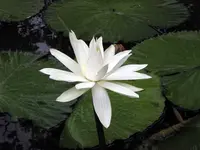
Hairy water lily, Nymphaea pubescens, is an aquatic flowering plant that forms floating rosettes of round leaves with softly hairy undersides. Large star-shaped flowers rise above the water surface and open mainly in the evening or early morning, creating a clear focal point in ponds or large containers.

This species occurs naturally in still or slow-moving freshwater across tropical Asia, often in warm, shallow lakes, ponds, and wetlands. It grows from rhizomes anchored in the mud, spreading gradually under suitable conditions.

In cultivation it prefers full sun, consistently warm water, and rich, muddy substrates, which makes how to care for Hairy Water Lily different from many typical houseplants.

Main Plant Requirements

Care Difficulty

Moderate Care

Light Preference

Full Sun

Water Requirements

Aquatic

Temperature Preference

Tropical / Frost Sensitive

Hardiness Zone

10–12

Soil Texture

Loamy, Silty, Organic-rich

Soil pH

Slightly acidic (6.5–7.0), Neutral (7.0)

Soil Drainage

Waterlogged tolerant

Fertilization

Moderate (every 2–4 weeks)

Get Personalized Care Plan

Scan your plant to receive care tips personalized for your specific plant

Available on iOS and Android

How to Care for the Hairy Water Lily

This tropical water lily needs strong light over its pond surface to flower well.

  • Provide 6–8 hours of direct sun daily, with preference for morning to early afternoon sun and light afternoon shade in very hot climates.
  • Tolerates light or dappled shade for part of the day, but flowering and leaf color decline if the pond receives less than 4–5 hours of sun.
  • In summer, monitor leaves for bleaching or crisping from intense sun; in cooler seasons, ensure the Hairy Water Lily is not shaded by trees or tall plants.

This species is an aquatic plant that must sit in consistently submerged conditions, not damp soil.

  • Grow rhizomes in heavy loam under 20–60 cm of still or gently moving water, so leaves float while the crown stays fully underwater but not deeply buried.
  • In hot weather, watch pond levels and top up before leaf bases are exposed; shrinking pads, slow bud development, or curling edges indicate the plant is becoming stressed by low water.
  • If water is stagnant and foul-smelling or rhizomes feel mushy and dark, Nymphaea pubescens may be suffering from low oxygen and rot; improve circulation and avoid adding nutrient-rich runoff.

This warm-climate water lily grows best in stable, mild-to-hot conditions without frost exposure.

  • Aim for water temperatures around 75–86°F (24–30°C) for strongest growth and flowering, with air temperatures ideally 72–90°F (22–32°C).
  • Below about 60°F (16°C) growth slows sharply; prolonged exposure under 50°F (10°C) can damage rhizomes, and any frost on leaves or water surface may kill foliage.
  • In heat waves above 95°F (35°C), shade part of the pond and maintain adequate depth so water does not overheat and stress the plant.

This aquatic species is fully submerged or floating, so ambient air humidity is not critical for Hairy Water Lily.

This species prefers a heavy, nutrient-rich, low-oxygen substrate held under water.

  • Use a dense loam or clay loam with high mineral content, not light potting mix that floats away.
  • Incorporate 20–30% well-rotted compost or manure to supply nutrients while staying compact under water.
  • Aim for slightly acidic to neutral conditions, around pH 6.5–7.2, to support healthy root and leaf growth.
  • Cap the soil with 2–3 cm of clean sand or fine gravel to prevent particles from clouding the water.

This species grows well in wide, sturdy aquatic containers if the water depth and soil weight are managed correctly.

  • Choose a broad, shallow tub or basket so rhizomes can spread horizontally without crowding the sides.
  • Use a heavy container material, such as thick plastic or ceramic, to prevent tipping as leaves and flowers spread.
  • Avoid drainage holes that allow soil to escape; line perforated aquatic baskets with burlap or mesh to keep substrate contained.

This tropical waterlily responds well to moderate feeding during active growth in warm weather.

  • Use aquatic slow-release fertilizer tablets or a balanced NPK (around 10-10-10) pushed into the soil of the planting basket, not broadcast into the pond water.
  • Feed Hairy Water Lily every 4–6 weeks during the warm growing season while leaves and flowers are actively produced.
  • Reduce or stop feeding in cooler months or when growth slows, as dormant rhizomes use little additional nutrient.
  • Use the lower end of the product’s dose range to avoid burning roots and to limit algae growth in the pond.

Nymphaea pubescens benefits from light, ongoing removal of old foliage to maintain water quality and flowering.

  • Use clean scissors or pruners to cut yellowing, decaying, or torn leaves at the base of their petioles throughout the growing season.
  • Remove spent flowers by cutting the stem below water level to encourage continued blooming and reduce seed formation.
  • Thin out overcrowded leaves to allow light penetration and good air–water exchange, which supports strong, balanced growth.
  • Avoid cutting healthy leaves too hard at once, as the plant relies on them for photosynthesis and energy storage in the rhizome.

Container-grown plants are usually divided and moved rather than frequently repotted once mature.

  • Plan transplanting for late spring to early summer when water is warming and Nymphaea pubescens is starting active growth.
  • Look for crowded baskets, rhizomes pressing against container edges, or reduced leaf and flower size as signs the plant needs more space.
  • Every 2–3 years, lift the basket, gently hose off soil, trim old roots, and replant firm rhizome sections into fresh heavy loam in a wider container.
  • After transplanting, submerge the basket gradually to final depth over several days to reduce shock and allow leaves to adapt.

This species is commonly propagated by division of the rhizome, with seed raising used mainly by specialists.

  • Divide mature clumps in late spring or early summer when water temperatures are warm and new shoots are visible.
  • Lift the rhizome, rinse off soil, and cut into firm sections, each with at least 1–2 growing points and healthy roots.
  • Plant divisions in heavy loam in perforated aquatic baskets, cover lightly with gravel, and submerge so young leaves sit near the water surface.
  • For seed, sow fresh seed in shallow warm water with fine aquatic soil and strong light, but expect slower, more variable results than division.

This tropical waterlily is frost-sensitive and needs protection in regions with cold winters.

  • In climates below about 55–60°F in winter, treat it as an annual outdoors or overwinter rhizomes indoors.
  • Before first frost, lift container plants, rinse gently, and store rhizomes in damp sand or peat at 55–60°F.
  • Keep stored rhizomes just moist, not wet, to prevent rot, and replant outdoors only after water warms reliably in spring.

Care Tips

Rhizome Positioning

Set the rhizome at a 30–45° angle with the growing tip just above the soil line and pointed toward the pot center to reduce rot and encourage strong, outward leaf growth.

Gradual Depth Adjustment

Start containers in shallow water (15–20 cm above the soil surface) and lower them in stages over 2–3 weeks until at final depth to prevent shock and distorted leaves.

Pot Selection Strategy

Use wide, shallow containers (at least 30–40 cm across) without drainage holes and heavy loam soil so the plant anchors well and does not float or erode in moving water.

Routine Leaf Thinning

Remove the oldest, yellowing, or crowded leaves at the base every 1–2 weeks to improve water circulation, reduce fungal issues, and direct energy into new blooms when growing Hairy Water Lily.

Winter Storage Method

In cooler climates, lift the container before frost, trim foliage, and overwinter the rhizome submerged in a tub of clean water kept at 55–65°F in a bright, frost-free area to preserve the plant for replanting in spring.

Common Pests and Diseases

Aphids

These insects cluster on young pads, buds, and flower stalks and suck sap, causing distortion, sticky honeydew, and sooty mold growth on hairy water lily leaves.

Solution

Skim or spray aphids off pads and buds with a firm stream of pond water, remove heavily infested leaves, and encourage natural predators such as lady beetles; if needed, spot-treat colonies with a low-toxicity, pond-safe insecticidal soap applied in the evening and avoid spraying directly into fish areas.

China mark moth

This pest is the larva of a small moth that cuts, folds, and tunnels into floating leaves, leaving irregular windowed patches and rolled pads that decay prematurely.

Solution

Hand-remove and destroy damaged or folded leaves that contain larvae, reduce surface weeds where adults shelter, and at high infestation levels use pond-safe Bacillus thuringiensis (Bt) granules or liquid directed onto foliage in the evening, repeating according to label directions until new growth emerges clean.

Water lily leaf spot

This disease produces small brown, purple, or black spots with yellow halos on floating leaves, which can expand, merge, and cause pads to yellow and deteriorate.

Solution

Promptly remove and discard affected leaves before spots coalesce, avoid overhead watering or splashing from contaminated water, and thin crowded plants to improve water and air movement; in persistent cases, apply a labeled pond-safe fungicide to new growth and maintain good sanitation around the pond margins.

Crown rot

This disease starts at the rhizome or crown, leading to soft, foul-smelling tissue, blackened growing points, and rapid collapse of leaves and flower stalks.

Solution

Lift the plant, cut away and discard all soft or black tissue, and replant only firm, clean rhizome sections in fresh, low-organic substrate; reduce fertilizer loading in the pond, keep water reasonably clear, and avoid burying the crown too deeply to limit low-oxygen conditions that favor rot.

Spider mites

These pests can infest pads during hot, dry weather when water levels are low, causing fine speckling, dulling of leaf surfaces, and delicate webbing on upper leaf blades that sit above the waterline.

Solution

Raise water levels so more leaf surface contacts water, gently hose the upper leaf surfaces to dislodge mites, and remove badly damaged pads; for persistent infestations, use a pond-safe horticultural oil or insecticidal soap sprayed on the upper surfaces in the evening, avoiding direct contact with fish and beneficial insects as much as possible.

Interesting Facts

Distinctly hairy leaves

This species has fine hairs on the underside of its floating leaves and on young leaf surfaces, a feature that helps trap a thin layer of air and reduces wetting of the leaf tissue.

Night-blooming habit

Its flowers usually open in the late afternoon or evening and close again by morning, an adaptation that aligns with the activity patterns of its main pollinators in tropical Asia.

Color-shifting flowers

The flowers often change shade over their 2–3 day lifespan, starting white to pinkish on the first night and becoming a deeper pink or reddish tone on subsequent nights as they age.

Botan icon

Did you know?

In parts of South and Southeast Asia, this species is intentionally cultivated in ponds and rice fields not only for ornamental value but also because its edible rhizomes, seeds, and young leaves are used locally as food, making Nymphaea pubescens care important both horticulturally and nutritionally.

FAQs about Hairy Water Lily

Lack of blooms usually comes from insufficient light, water that is too cold, or nutrient-poor substrate. Shallow, warm water and regular aquatic fertilizer encourage flowering. Crowded rhizomes also reduce flowers, so division may be needed.

Grow Healthy Plants with Botan Care

Keep your plants happy and healthy with plant identification, disease detection, and easy care guidance.

Botan plant care app — identify plants on mobile

Explore More Plants