spotted water hemlock Care (Cicuta maculata)

Also known as: water hemlock, poison parsnip, spotted cowbane
spotted water hemlock

About spotted water hemlock

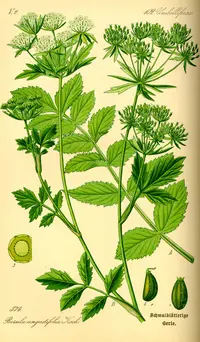
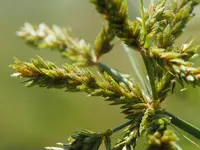
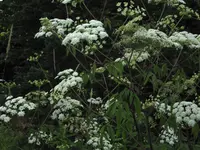
Spotted water hemlock (Cicuta maculata) is a highly poisonous, herbaceous perennial in the carrot family. It grows 0.5–2 m tall with hollow, often purple-spotted stems. The plant has divided, toothed leaves and flat-topped clusters of small white flowers, giving it a similar look to some harmless umbellifers. It naturally occurs in North America, usually in wet ditches, stream banks, marshes, and other saturated soils. The species is not suitable for home gardens, and any attempt to care for spotted water hemlock carries serious safety concerns due to its extreme toxicity. It favors full sun to light shade, consistently wet conditions, and mucky or waterlogged soils.

Main Plant Requirements

Care Difficulty

Hard Care

Light Preference

Full Sun

Water Requirements

Aquatic

Temperature Preference

Cold Hardy

Hardiness Zone

3–8

Soil Texture

Loamy, Silty, Organic-rich

Soil pH

Acidic (5.5–6.5), Slightly acidic (6.5–7.0)

Soil Drainage

Waterlogged tolerant

Fertilization

Minimal (feed rarely)

Get Personalized Care Plan

Scan your plant to receive care tips personalized for your specific plant

Available on iOS and Android

How to Care for the spotted water hemlock

This wetland perennial thrives in open, bright sites but tolerates some shading during the day.

  • Spotted water hemlock grows best in full sun with 6–8 hours of direct light, especially in cool to mild climates near streams or marshes.
  • In hotter regions, provide 3–4 hours of gentle morning sun and light afternoon shade to reduce leaf scorch and moisture loss.
  • Plants in dense shade often become leggy, produce fewer flowers, and may weaken over time, so avoid locations with less than 3 hours of direct light.

This species is adapted to saturated conditions and naturally grows in standing or slow-moving water.

  • Keep soil or substrate consistently saturated; do not allow the top 2–5 cm to dry, especially during active growth in spring and summer.
  • In natural or semi-wild plantings, check for wilting, dull foliage, or dry, cracked mud as signs that moisture is too low for Cicuta maculata.
  • Yellowing, soft stems or foul-smelling, anaerobic soil indicate prolonged stagnant conditions without oxygen exchange rather than true overwatering, so ensure some shallow water movement or periodic flushing.

This plant is cold-hardy but grows most vigorously in moderate temperatures.

  • Optimal growth occurs around 65–80°F (18–27°C), especially during late spring and early summer in consistently moist habitats.
  • Mature plants tolerate winter lows near 0°F (−18°C) in dormant state, but tender new growth can be damaged by sudden late frosts.
  • Heat up to about 90°F (32°C) is tolerated if roots remain cool in saturated soil; extreme heat with drying mud can stress plants and reduce vigor.

This wetland species prefers very moist air but usually tolerates a wide humidity range outdoors.

  • Aim for 60–90% humidity when grown in controlled or enclosed conditions to mimic marsh edges.
  • Dry air may cause leaf edge browning and reduced vigor, especially if soil moisture also drops.
  • Increase humidity locally by grouping plants near open water or using large, open trays of water around the container.

This species is adapted to saturated, oxygen-poor soils rather than typical garden substrates.

  • Use a heavy, fine-textured mix with high clay and organic matter content to hold constant moisture.
  • Maintain soil that is poorly drained or even waterlogged, such as a bucket or pond-margin situation, for Cicuta maculata.
  • A slightly acidic to neutral pH around 6.0–7.0 suits this plant in most outdoor situations.
  • Avoid sandy, fast-draining, or raised-bed soils, which dry quickly and reduce the standing water conditions it requires.

This plant is technically possible to grow in containers but is unsuitable and unsafe for typical ornamental use due to extreme toxicity.

Cicuta maculata is a vigorously growing wetland perennial that typically needs no supplemental fertilizer in natural, nutrient-rich soils.

Pruning Cicuta maculata is usually limited to maintenance and safety rather than shaping.

  • Cut back dead, broken, or diseased stems in late fall or very early spring using sharp, clean pruning shears.
  • Remove storm-damaged or lodging stems during the growing season to keep access paths clear and reduce hazards.
  • Avoid heavy cutting into healthy, green growth, since this species does not require shaping for performance.
  • Wear gloves and long sleeves, and dispose of all prunings securely due to the plant’s high toxicity.

Transplanting Cicuta maculata is rarely recommended due to toxicity and its preference for stable, wet soils.

  • If movement is essential, schedule transplanting in early spring while plants are still dormant.
  • Choose a consistently moist, boggy site with similar light and soil conditions to minimize shock.
  • Lift with a shovel, keeping as much root and surrounding soil intact as possible to reduce root stress.
  • Water thoroughly after transplanting and monitor for wilting, but avoid disturbing the plant again once established.

Intentional propagation of Cicuta maculata is strongly discouraged because it is one of the most poisonous native wetland plants.

This hardy perennial tolerates typical winter conditions in its native range and generally needs no special winter care.

  • In cold climates, aerial parts often die back after frost while roots overwinter in saturated soil.
  • Leave standing stems over winter to mark the plant’s location and reduce accidental disturbance.
  • Container-grown specimens, if any, should stay in a cold, unfrozen but wet environment to mimic natural conditions.

Care Tips

Mandatory safety barriers

Install a sturdy fence and clear signage around any planting area, since this is a highly poisonous species and physical separation prevents accidental contact by children, pets, and livestock.

Controlled colony management

Limit plant spread by physically removing flower umbels before seed set and disposing of them in sealed bags, as this reduces reseeding without disturbing the toxic root systems.

Protected handling routine

Always use waterproof gloves, long sleeves, and eye protection when working near the plants, then wash tools, gloves, and exposed skin with soap and water immediately after any contact.

Water access control

Do not establish or allow this plant to remain near livestock watering points, swimming or play areas, or edible crop beds, since root and stem fragments can be dangerous if accidentally ingested.

Documented site monitoring

Keep a simple written map and seasonal log of all stands, and inspect them at least 2–3 times each growing season so that any unwanted spread can be identified and removed early while caring for spotted water hemlock in a responsible way.

Common Pests and Diseases

Powdery mildew

This disease appears as white, powdery patches on leaves and stems, especially in warm, humid, crowded stands. Symptoms include distorted foliage and reduced vigor in affected plants.

Solution

Improve air movement by thinning dense vegetation and avoid overhead watering that keeps foliage damp. In managed plantings, remove heavily infected stems and use a sulfur or potassium bicarbonate fungicide labeled for powdery mildew if control is needed, following local regulations for wetland or riparian sites.

Leaf spot fungi

This disease causes small brown to dark purple spots on leaves that may merge into larger blotches, most often during prolonged wet periods. Symptoms include premature yellowing and dropping of foliage on lower parts of the plant.

Solution

Remove and destroy heavily spotted leaves to reduce the source of spores, and avoid leaving dense piles of plant debris around the stand. In cultivation, increase spacing and airflow; fungicides labeled for foliar leaf spots can be used only where legally permitted and away from natural waterways.

Aphids

These insects cluster on tender stems and undersides of leaves, sucking sap and excreting sticky honeydew that can attract sooty mold. This pest can cause leaf curling and general decline in stressed or recently transplanted plants.

Solution

Dislodge colonies with a firm stream of water and prune back the most infested shoots if practical. Encourage or conserve natural predators such as lady beetles, and in managed settings use insecticidal soap or a light horticultural oil spray, applied in the early morning and kept clear of open water bodies.

Leaf beetle feeding

These insects chew irregular holes along leaf margins and between veins, sometimes skeletonizing foliage when populations are high. Symptoms include ragged leaves but usually limited impact on established plants in natural wetlands.

Solution

Hand-pick adult beetles and larvae where plant access and safety allow, dropping them into soapy water. In cultivated plots, maintain plant diversity to support natural predators and use floating row covers or spot treatments with neem-based products if defoliation becomes extensive, while avoiding drift into aquatic habitats.

Interesting Facts

Highly toxic roots

The thick, chambered rootstocks of this species contain concentrated cicutoxin, a neurotoxin that targets the central nervous system and can cause rapid, violent seizures in mammals if ingested.

Hollow purple‑blotched stems

Its upright stems are often hollow with distinct purple streaks or blotches, a field feature that helps distinguish it from some edible Apiaceae relatives such as wild carrot or parsnip.

Specialized wetland niche

This plant is strongly associated with saturated soils and shallow water in marshes, stream margins, and ditches, where its extensive root system helps it tolerate periodic flooding and low-oxygen conditions.
Botan icon

Did you know?

Cicuta maculata has a documented history as one of the most acutely poisonous native plants in North America, and accidental ingestion by livestock or humans has led to multiple well‑described poisoning cases in the toxicology and forensic literature, which is why modern field guides and poison control resources routinely highlight it as a priority species to recognize and avoid.

FAQs about spotted water hemlock

All parts of this species are extremely toxic to humans, livestock, and pets, especially the roots and young shoots. Even small amounts can be fatal. Handling may cause skin irritation; always use gloves and never ingest any part.

Grow Healthy Plants with Botan Care

Keep your plants happy and healthy with plant identification, disease detection, and easy care guidance.

Botan plant care app — identify plants on mobile

Explore More Plants