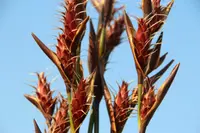
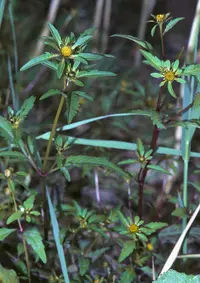
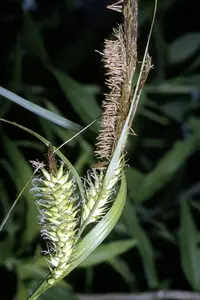
shingle flatsedge Care (Cyperus imbricatus)

Also known as: Shingle Flatsegde, Imbricate Galingale
shingle flatsedge

About shingle flatsedge

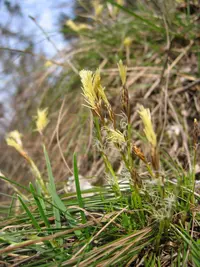
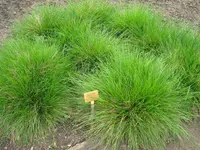
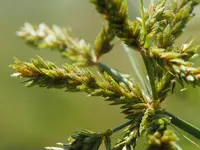
Shingle flatsedge, Cyperus imbricatus, is a robust sedge typically found in wetlands, ditches, and along pond or lake margins in tropical and subtropical regions. It forms dense clumps of upright, triangular stems topped with layered, overlapping spikelets that give it a shingled look.

This species spreads by rhizomes, so it can form colonies where conditions stay consistently moist or wet. It is generally easy to grow outdoors in warm climates if soil does not dry out for long.

Gardeners who want to care for shingle flatsedge should provide steady moisture, full sun to light shade, and soil that does not stay stagnant but remains evenly damp.

Main Plant Requirements

Care Difficulty

Moderate Care

Light Preference

Full Sun

Water Requirements

Aquatic

Temperature Preference

Tropical / Frost Sensitive

Hardiness Zone

10–12

Soil Texture

Loamy, Clay, Organic-rich

Soil pH

Acidic (5.5–6.5), Slightly acidic (6.5–7.0)

Soil Drainage

Waterlogged tolerant

Fertilization

Light (every 4–6 weeks)

Get Personalized Care Plan

Scan your plant to receive care tips personalized for your specific plant

Available on iOS and Android

How to Care for the shingle flatsedge

Cyperus imbricatus thrives in bright, open sites with consistent sun exposure.

  • Provide 6–10 hours of direct sun daily; full sun suits outdoor ponds, ditches, or consistently wet beds.
  • Plant where it receives morning to early afternoon sun; it tolerates light partial shade, but dense shade causes weak, floppy stems and sparse foliage.
  • In very hot climates, slight afternoon shade reduces leaf scorch; shingle flatsedge in exposed, dry spots may show bleached tips and brown edges from excess heat and light.

This wetland sedge performs best when the root zone never fully dries out.

  • Aim for soil that stays saturated or very soggy; in garden beds, do not allow the top 1–2 cm to dry, and in water features it can sit in several cm of standing water.
  • Increase watering in hot, windy weather when leaves curl or droop, clear signs of moisture stress in Cyperus imbricatus.
  • Reduce watering slightly in cooler months but prevent the soil from drying and avoid stagnant anaerobic conditions that cause sour odor, yellowing, and slimy roots.

This species prefers warm, frost-free conditions and behaves as a true tropical sedge.

  • Optimal growth occurs at 70–90°F (21–32°C); it remains active and produces new shoots quickly in this range.
  • Protect plants when temperatures drop below 50°F (10°C); foliage damage often appears below 40°F (4°C), and hard frost can kill aboveground growth.
  • Cyperus imbricatus tolerates heat up to about 100°F (38°C) if soil stays saturated; in hot, dry spells, ensure constant moisture to prevent leaf scorch and stalled growth.

This wetland sedge needs consistently high humidity to look healthy.

  • Aim for 60–80% humidity, as shingle flatsedge naturally grows in marshy, saturated habitats.
  • Brown leaf tips, curling, and quick drying of potting mix indicate humidity is too low.
  • Group pots in water trays with stones, use a humidifier nearby, or stand the container in a shallow saucer of water to boost local humidity.

This species prefers constantly moist, heavy, organic-rich soil that mimics marsh conditions.

  • Use a dense mix of 60–70% peat or coco coir plus compost, with 30–40% sand or fine grit to keep it from becoming anaerobic while still holding water.
  • Cyperus imbricatus tolerates slightly acidic to neutral soil, roughly pH 6.0–7.0, which supports nutrient availability in wet conditions.
  • Keep drainage only moderate; a saucer that stays partly filled or a cachepot without drain holes helps maintain saturated conditions for the roots.
  • Avoid fast-draining cactus mixes, very sandy soils, or dry pockets in the root zone, which quickly cause leaf yellowing and collapse.

This sedge is suitable for containers, especially where waterlogged conditions can be maintained.

  • Choose a wide, heavy container to counterbalance the tall, reed-like foliage and reduce tipping in wind or on balconies.
  • Select plastic or glazed ceramic pots to slow moisture loss, since porous clay dries too fast for this water-demanding species.
  • Place the container inside a larger, watertight cachepot or tub so water can stand around the inner pot and keep the root zone saturated.

Cyperus imbricatus responds well to moderate feeding during the warm growing season, especially in containers.

  • Use a balanced liquid fertilizer (for example 10-10-10) at 1/2 strength every 4–6 weeks from spring through early fall.
  • Alternatively, apply a slow-release granular fertilizer or well-rotted compost at the start of the growing season.
  • Reduce feeding to 1 light application or stop entirely in winter when growth slows or temperatures drop.
  • In wet containers or bog setups for shingle flatsedge, avoid overfertilizing to limit algae and soft, weak growth.

Pruning Cyperus imbricatus is mainly about tidying clumps and encouraging fresh, upright growth.

  • Best time is late winter or early spring before strong new shoots emerge.
  • Cut back dead, yellowing, storm-damaged, or badly bent stems at the base with clean, sharp shears.
  • Thin out a few crowded stems in dense clumps to improve air flow and maintain an even, compact outline.
  • Disinfect tools before and after use to reduce disease spread in wet planting sites.

This species is often grown in wet beds or ponds, so focus on dividing and transplanting overcrowded clumps.

  • Transplant or divide every 2–3 years in spring when growth restarts, or when clumps thin in the center or growth slows.
  • In containers, repot when roots circle the pot, water drains very slowly, or the plant dries out unusually fast.
  • Lift clumps, rinse soil from roots, and split into sections with several healthy shoots and a firm root mass each.
  • Replant divisions at the same depth, keep soil or pond margins consistently wet, and shade lightly for 3–5 days to limit stress.

Cyperus imbricatus is commonly propagated by division and sometimes by seed under warm, moist conditions.

  • Divide mature clumps in spring or early summer, separating sections with several shoots and strong roots.
  • Plant divisions into shallow, consistently wet soil or containers kept in trays of water for stable moisture.
  • For seed, sow fresh seed on the surface of damp, fine substrate at 70–80°F with bright, indirect light.
  • Do not cover seeds heavily; maintain high humidity and gentle air movement until stable seedlings form.

Cyperus imbricatus is frost sensitive and needs protection in regions with cold winters.

  • In zones below USDA 9, grow in containers that can be moved indoors before nights drop near 40°F.
  • Indoors, keep plants above 55°F with bright light and consistently moist, not stagnant, water.
  • In mild climates, apply a light mulch around outdoor clumps to buffer short cool spells and root stress.
  • Remove damaged foliage in late winter and resume normal watering and feeding as temperatures rise.

Care Tips

Create Containment Edges

In ponds or boggy beds, install a sunken plastic barrier 20–30 cm deep around clumps to limit rhizome spread and make division and long‑term management easier when caring for shingle flatsedge.

Use Aquatic Baskets

Plant root divisions in perforated aquatic baskets filled with heavy loam and then sink the baskets into water features so the plant is easy to lift, divide, or reposition without disturbing the whole pond margin.

Rotate Water Sources

Alternate between tap water and collected rainwater or dechlorinated water in containers to reduce long‑term salt buildup that can weaken dense stands in non‑flowing setups.

Cut And Compost Tops

When clumps become too tall or crowded, cut back older, leaning stems at the base and compost them, which redirects energy to younger shoots and keeps growth more upright and manageable.

Monitor Wind Exposure

In open, windy sites, position the plant near a fence or low windbreak to reduce mechanical stress on the tall stems and prevent lodging, which helps keep foliage upright and more ornamental.

Common Pests and Diseases

Aphids

This pest feeds on tender stems and leaf bases, extracting sap and causing distorted growth and sticky honeydew on culms and foliage.

Solution

Rinse infested plants with a firm stream of water to dislodge colonies, then treat remaining insects with insecticidal soap or a light horticultural oil, repeating weekly until populations subside. Encourage natural predators such as lady beetles in outdoor plantings and avoid high nitrogen fertilization that promotes very soft, aphid-prone growth.

Spider mites

These insects thrive on Cyperus foliage in hot, dry conditions and cause stippling, bronzing, and fine webbing between leaves and stems.

Solution

Increase humidity around the plant, then wash culms and leaf surfaces thoroughly with water to remove mites and webs. Follow with repeated applications of insecticidal soap or a miticidal horticultural oil, ensuring full coverage on leaf undersides and within the dense clumps.

Leaf spot

This disease produces small brown to dark-purple lesions on leaves that may coalesce, giving the foliage a scorched or blighted appearance in dense, wet stands.

Solution

Remove and discard heavily spotted leaves to reduce inoculum and avoid overhead watering that keeps foliage wet for long periods. Improve spacing and air movement in plantings, and if the problem persists in valuable stands, use a foliar fungicide labeled for leaf spots on ornamental sedges, applied according to label directions.

Rust

This disease shows as yellowing areas on the upper leaf surface and orange to brown powdery pustules on the undersides, more common in warm, humid conditions with poor airflow.

Solution

Cut and dispose of infected foliage to reduce spores, then thin or divide dense clumps to improve air circulation. Avoid overhead irrigation, and if needed, apply a systemic fungicide registered for rust diseases on ornamentals, rotating products to limit resistance development.

Scale insects

This pest occurs as small, dome-shaped or shell-like bumps on stems and leaf sheaths, extracting sap and sometimes causing yellowing and stunted growth in clumps.

Solution

Gently scrape off accessible scales or prune out heavily infested culms, then treat remaining insects with repeated applications of horticultural oil to smother crawlers and adults. Monitor closely during warm months when crawlers are active, as consistent treatment is key to Cyperus imbricatus care instructions in long-term plantings.

Interesting Facts

Clustered wetland colonies

This sedge often forms extensive, tightly packed stands along tropical and subtropical shorelines, canals, and rice fields, where its dense root and rhizome system helps stabilize saturated soils and reduce erosion.

Distinctive overlapping spikes

Its inflorescences are made of many flattened, overlapping spikelets arranged like roof shingles, which is the origin of the common name shingle flatsedge and helps distinguish it from other Cyperus species in the field.

Broad tropical distribution

The species has a naturally wide range across tropical regions of the Americas, Africa, Asia, and the Pacific, showing strong adaptation to warm, wet habitats from lowland river margins to irrigated agricultural land.

Botan icon

Did you know?

In several rice-growing regions, Cyperus imbricatus is considered a major paddy weed because its vigorous rhizomes and high seed production allow it to rapidly recolonize flooded fields after mechanical or chemical control, making long-term management difficult.

FAQs about shingle flatsedge

This species spreads by rhizomes and self-seeding and can form dense colonies in wet, open ground. In suitable climates it behaves vigorously and may require edging, root barriers, or regular thinning to prevent unwanted expansion into nearby planting areas.

Grow Healthy Plants with Botan Care

Keep your plants happy and healthy with plant identification, disease detection, and easy care guidance.


Botan plant care app — identify plants on mobile

Explore More Plants