Microclimate enclosure
Create a stable humid pocket by placing the pot inside a tall, clear plastic storage box with the lid loosely fitted, adding small side vents to allow slow air exchange without rapid drying.


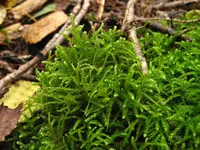
Tunbridge filmy fern, Hymenophyllum tunbrigense, is a delicate, evergreen fern with very thin, translucent fronds that resemble fine lace. It forms low, creeping mats on moist rock faces and in shaded crevices.
This species is native to cool, humid woodlands and ravines in parts of western Europe, including the British Isles, and relies on consistently high humidity. Its fragile fronds and shallow, fine roots make it sensitive to drying out and sudden environmental changes, so it is considered challenging to grow.
Those who want to learn how to care for Tunbridge filmy fern should know it prefers cool, shaded conditions, constant moisture, and soft, well-aerated substrates such as mossy stone or loose, humus-rich mix.

Care Difficulty
Hard Care

Light Preference
Shade

Water Requirements
Keep Soil Moist

Temperature Preference
Cool Climate

Hardiness Zone
7–9

Soil Texture
Loamy, Peaty, Organic-rich

Soil pH
Strongly acidic (4.5–5.5), Acidic (5.5–6.5)

Soil Drainage
Moist but well-drained

Fertilization
Minimal (feed rarely)
Scan your plant to receive care tips personalized for your specific plant
Available on iOS and Android
This fern is adapted to very low, forest-floor light and must be protected from direct sun.
This fern requires constantly moist, never dry, conditions that mimic a shaded, humid ravine.
This species is a cool, moisture-loving fern that dislikes both hard frost and strong heat.
This fern demands extremely high humidity to keep its thin fronds alive.
This species prefers a cool, constantly moist, humus-rich substrate that mimics mossy rock crevices.
This fern is suitable for carefully managed container culture, especially in enclosed or semi-enclosed setups.
This species is adapted to nutrient-poor, mossy habitats and Hymenophyllum tunbrigense plant care usually does not require added fertilizer.
Pruning needs are minimal and focus on hygiene rather than shaping for Hymenophyllum tunbrigense.
Transplanting is infrequent and should mimic the fern’s natural, cool, mossy rock or bank habitat as closely as possible.
Propagation of Hymenophyllum tunbrigense is considered specialized and is usually left to experienced growers or conservation programs.
This fern prefers cool, moist, frost-free or only lightly frosted conditions and benefits from some winter protection, especially in containers.

Plant Health Check
Not sure what's wrong with your plant? Check your plant's health inside the app.
This filmy fern has fronds only 1 cell layer thick, which makes them translucent and highly reliant on constant atmospheric moisture rather than internal water storage.
It is strongly associated with hyper-oceanic Atlantic climates in western Europe, where it occupies shaded, humid rock faces, stream gullies, and old woodland ravines that mimic cloud-forest conditions.
Today the species has a scattered range in western Europe and parts of Macaronesia, and is considered a relict of warmer, wetter post-glacial periods that left isolated populations in suitable humid refuges.

In the British Isles this fern was historically used as a key indicator species of long-continuity, undisturbed woodland ravines, so its presence still helps conservationists identify ancient, high-humidity forest microhabitats that are a priority for protection.
Brown, crispy fronds usually mean low humidity, drying out, or exposure to moving air. Constantly wet but poorly aerated substrate can also damage the delicate roots. Increase humidity, reduce drafts, and keep the root zone moist but well aerated.
Keep your plants happy and healthy with plant identification, disease detection, and easy care guidance.