hedgehyssop Care (Gratiola officinalis)

Also known as: gratiola
hedgehyssop

About hedgehyssop

Hedgehyssop, Gratiola officinalis, is a small herbaceous perennial often found along ponds, ditches, and wet meadows. It naturally occurs across parts of Europe and western Asia and is sometimes grown in similar climates elsewhere.

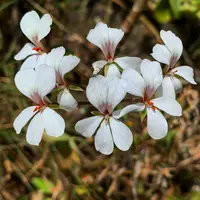
The plant forms low clumps with opposite narrow leaves and upright stems bearing small pale pink to whitish tubular flowers. It prefers consistently moist to wet soils and does best in full sun to light shade.

Because it needs steady moisture and does not tolerate drying out, it is easier to manage in bog gardens, pond margins, or controlled containers. Understanding how to care for hedgehyssop starts with providing the cool, damp conditions it experiences in the wild.

Main Plant Requirements

Care Difficulty

Moderate Care

Light Preference

Full Sun

Water Requirements

Aquatic

Temperature Preference

Cool Climate

Hardiness Zone

4–8

Soil Texture

Loamy, Silty, Organic-rich

Soil pH

Slightly acidic (6.5–7.0), Neutral (7.0)

Soil Drainage

Waterlogged tolerant

Fertilization

Minimal (feed rarely)

Get Personalized Care Plan

Scan your plant to receive care tips personalized for your specific plant

Available on iOS and Android

How to Care for the hedgehyssop

Gratiola officinalis prefers bright, consistent light typical of open wet meadows and pond margins.

  • Provide 4–6 hours of direct morning sun with light afternoon shade, or filtered sun all day in hotter regions to prevent leaf scorch.
  • Tolerates light partial shade, but stems may elongate and flowering decreases if it receives under 3–4 hours of sun daily, especially in summer.
  • In cooler climates, hedgehyssop can handle full sun if soil stays constantly moist; increase shade during heatwaves above 90°F (32°C).

This semi-aquatic species prefers soil that remains consistently moist to wet.

  • Aim for soil that never fully dries; in gardens, the surface should feel damp at all times, with no more than the top 1–2 cm drying between waterings.
  • Standing water around roots is tolerated if oxygenated, such as at pond edges, but foul smell, yellowing, and limp stems indicate prolonged stagnation and root stress.
  • During hot, windy weather, check moisture daily; wilting or crisp leaf edges signal underwatering, while soft, pale foliage can suggest chronic overwatering in poorly drained sites.

This plant is adapted to temperate climates with cool to warm growing seasons.

  • Best growth occurs around 60–75°F (16–24°C), with steady moisture helping buffer temperature fluctuations in the root zone.
  • Tolerates cool conditions down to about 20°F (-7°C) once established and dormant, but young plants benefit from protection during sudden early frosts.
  • Handles summer warmth up to about 85–90°F (29–32°C) if soil stays saturated; prolonged heat above this range with drying substrate increases stress and can reduce flowering.

This semi-aquatic species prefers consistently moist air but usually copes with typical household humidity.

  • Aim for 50–70% humidity, especially when growing hedgehyssop in warm, bright spots.
  • Dry air can cause leaf edges to brown and stems to wilt even when the substrate is wet.
  • Increase humidity by grouping plants, placing pots over pebble trays with water, or growing near a humidifier.

Gratiola officinalis thrives in consistently wet, fine-textured substrates that stay saturated without becoming anaerobic.

  • Use a clay or loamy mix with high organic matter, such as 2 parts loam, 1 part compost, and 1 part fine sand.
  • Soil should retain water like a bog, remaining waterlogged or very wet but not foul-smelling or slimy.
  • Target a slightly acidic to neutral pH around 6.0–7.0 to support nutrient availability and root health.
  • Avoid coarse, fast-draining, or strongly alkaline substrates, which dry too quickly and stress this wetland species.

This species can grow in containers if the pot is managed to mimic shallow, boggy margins.

  • Choose a wide, relatively shallow container to accommodate spreading rhizomes and dense, fibrous roots.
  • Select a non-porous pot material like plastic or glazed ceramic to slow moisture loss and keep the substrate saturated.
  • Stand the container in an outer tray or basin of water so the soil surface stays moist while roots enjoy constant saturation.

Gratiola officinalis is a modest feeder that benefits from light nutrition in containers or poor soils but often needs no fertilizer in rich, wet ground.

  • Use a balanced liquid fertilizer (for example 10-10-10) at 1/4–1/2 strength for caring for hedgehyssop in pots or nutrient-poor beds.
  • Feed every 4–6 weeks during the active growing season, once night temperatures stay above about 50°F.
  • Skip or greatly reduce feeding in autumn and winter, when growth slows or the plant dies back.
  • Compost or a mild slow-release fertilizer can be mixed into the top layer of soil at the start of spring for gentle, season-long nutrition.

Pruning Gratiola officinalis is light and mainly aimed at tidying and guiding spread.

  • Trim back dead, damaged, or yellowing stems in early spring to keep the mat healthy and disease-free.
  • Shear or pinch back overly long or crowded shoots after flowering to maintain a compact, manageable patch.
  • Use clean, sharp scissors or small snips and cut just above a leaf node to encourage branching.
  • Remove spent flower spikes if seed is not wanted, which helps direct energy into vegetative growth.

This species is more often transplanted in wet borders or pond edges than kept as a long-term container plant.

  • Plan transplanting for early spring or early autumn, when temperatures are mild and soil stays evenly moist.
  • Move clumps when growth becomes congested, bare in the center, or when container roots circle the pot and growth slows.
  • Lift the plant with a generous soil ball, handle roots gently, and replant at the same depth into saturated, humus-rich soil.
  • Water thoroughly after transplanting, then keep the root zone consistently moist for several weeks to minimize stress and support reestablishment.

Gratiola officinalis is commonly propagated by division, stem cuttings, or seeds under consistently moist conditions.

  • Divide mature clumps in early spring, separating sections with healthy roots and several shoots, then replant immediately in wet soil.
  • Take soft stem cuttings in late spring or early summer and root them in shallow trays of damp, fine substrate under bright, indirect light.
  • Keep cuttings and divisions constantly moist, not waterlogged, to prevent rot while new roots establish.
  • Sow fresh seed on the surface of moist soil in spring, barely covering it, and maintain cool, bright conditions until germination.

This hardy wetland perennial generally tolerates typical temperate winters with minimal intervention once established.

  • In cold regions, allow top growth to die back naturally after frost; new shoots will emerge from the crown in spring.
  • Apply a light mulch layer around the root zone in late autumn to moderate freeze–thaw cycles, especially in exposed sites.
  • For container-grown plants in zones with severe freezes, sink pots into the ground or move them to a cold, frost-free shelter.

Care Tips

Water margin placement

Plant hedgehyssop in a shallow pond shelf or along a lined trench that stays constantly moist but not deeply flooded, which stabilizes growth and prevents stems from rotting in standing water that is too deep.

Controlled spread management

Use submerged root barriers or plant into large, bottomless containers sunk at soil level to keep the creeping rhizomes from invading nearby beds while still allowing a dense patch to form.

Division for renewal

Lift and divide congested clumps every 3–4 years in early spring, replanting only the firm, white rhizome sections with healthy shoots to maintain vigor and reduce disease buildup.

Algae and weed control

In pond or bog settings, regularly skim algae and hand-weed competing marginal plants around the colony so that light and nutrients are available for growing hedgehyssop rather than being consumed by faster species.

Winter site adjustments

In colder regions, shift container-grown plants into a protected cold frame or unheated greenhouse so the roots stay just above freezing and the crowns are shielded from repeated freeze–thaw cycles that can heave them out of the soil.

Common Pests and Diseases

Leaf spot

This disease causes small water-soaked spots on leaves that enlarge, turn brown, and may develop yellow halos, especially in warm, wet conditions. Symptoms include premature yellowing and drop of older foliage in dense or crowded clumps.

Solution

Remove and discard affected leaves, avoid overhead watering, and thin crowded stands to improve airflow. In persistent cases, use a copper-based fungicide labeled for ornamental aquatics, applying carefully to avoid runoff into natural waterways and following label rates strictly.

Powdery mildew

This disease appears as a white to gray powdery coating on leaves and stems, often in late summer when days are warm and nights are cool. Symptoms include distorted new growth and reduced vigor in dense, shaded, or poorly ventilated patches.

Solution

Increase light and air movement by trimming surrounding vegetation and dividing overly thick clumps. Remove heavily affected foliage and, if needed, treat remaining plants with a sulfur or potassium bicarbonate product labeled for ornamentals, applied during dry weather and not in high heat above about 85°F.

Aphids

These insects cluster on tender shoots and underside of leaves, sucking sap and excreting sticky honeydew that can lead to sooty mold. Symptoms include curled or distorted new growth and a general decline in vigor in emergent stems along pond margins.

Solution

Wash colonies off stems and leaves with a firm stream of clean water, repeating as needed. For persistent infestations, use insecticidal soap or a light horticultural oil, coating all leaf surfaces and avoiding application during high sun or to plants fully submerged in water.

Spider mites

These pests thrive in hot, dry spots along the edges of cultivation beds and cause fine stippling, bronzing, and a dull appearance of leaves. Symptoms include fine webbing on stems and undersides of leaves and gradual thinning of foliage.

Solution

Increase humidity around marginal plantings by reducing heat-reflective surfaces and rinsing foliage regularly. In case of visible webbing, hose down plants thoroughly and apply insecticidal soap or a miticide labeled for ornamentals, repeating at 5–7 day intervals until new growth appears clean.

Rust

This disease produces orange to brown pustules on the undersides of leaves, with corresponding pale or yellow spots on the upper surface. Symptoms include early leaf drop and weakened clumps, especially in plants grown in crowded, damp borders rather than open water edges.

Solution

Promptly remove and destroy infected leaves and any plant debris at the base, then thin and divide dense stands to improve air circulation. If rust recurs, apply a systemic or protectant fungicide labeled for rust on ornamentals, treating both upper and lower leaf surfaces and rotating products if multiple treatments are needed.

Interesting Facts

Wetland habitat specialist

This species naturally grows along slow-moving rivers, marsh edges, and wet meadows, often in calcareous or slightly alkaline soils, making it an indicator of stable, unpolluted wetland habitats in parts of Europe and western Asia.

Poisonous yet browsed

All parts of the plant are considered poisonous to humans and livestock, yet light browsing by wild herbivores such as deer and small mammals has been observed in the wild, suggesting species-specific tolerance and careful selective feeding.

Protected in some regions

Due to drainage of wetlands and habitat fragmentation, many local populations have declined, and the plant is listed as regionally threatened or protected in several European countries, where conservation programs focus on preserving its remaining wetland sites.

Botan icon

Did you know?

Historical records from European herbal literature describe this plant as a powerful purgative, and because of its toxicity and narrow therapeutic margin it later fell largely out of medicinal use, making modern Gratiola officinalis care focus almost entirely on conservation and horticultural value rather than pharmacology.

FAQs about hedgehyssop

This species forms low, creeping clumps and can slowly spread by short rhizomes in moist soil. It is usually manageable, not aggressively invasive, but can form patches if conditions are consistently wet and competition is low.

Grow Healthy Plants with Botan Care

Keep your plants happy and healthy with plant identification, disease detection, and easy care guidance.

Botan plant care app — identify plants on mobile

Explore More Plants