wild lupine Care (Lupinus perennis)

Also known as: wild lupine
wild lupine

About wild lupine

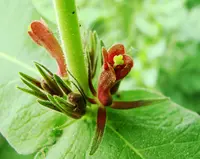
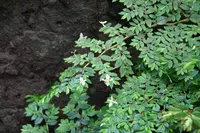
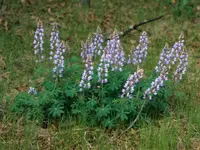
Wild lupine, Lupinus perennis, is a clump-forming perennial herb that produces tall spikes of pea-like blue to violet flowers above divided, palmlike leaves. It typically grows in open woods, prairies, and sandy clearings across eastern and central North America, often in sunny, low-fertility sites.

The plant has a deep taproot and naturally fixes nitrogen, which allows it to thrive in poor, well-drained soils but makes it sensitive to transplanting. Once established, it forms loose colonies and can self-seed under suitable conditions.

Its preference for full sun, dry to moderately moist soil, and good drainage shapes how to care for wild lupine, especially in gardens with richer or heavier soils.

Main Plant Requirements

Care Difficulty

Moderate Care

Light Preference

Full Sun

Water Requirements

Moderate Water

Temperature Preference

Cold Hardy

Hardiness Zone

3–8

Soil Texture

Sandy, Loamy, Rocky

Soil pH

Acidic (5.5–6.5), Slightly acidic (6.5–7.0)

Soil Drainage

Well-drained

Fertilization

Minimal (feed rarely)

Get Personalized Care Plan

Scan your plant to receive care tips personalized for your specific plant

Available on iOS and Android

How to Care for the wild lupine

Lupinus perennis thrives in bright outdoor light and needs direct sun to flower well.

  • Provide 6–8 hours of direct sun daily; morning sun with light afternoon shade is ideal in hotter regions.
  • Tolerates light partial shade (3–4 hours sun), but flowering and plant vigor decline with less exposure.
  • In summer, monitor for leaf scorch in intense afternoon sun, and in spring or fall ensure surrounding plants do not shade it out.

Lupinus perennis prefers evenly moist, well-drained soil and reacts poorly to both drought and waterlogging.

  • Water when the top 3–5 cm of soil feels dry, applying a deep soak rather than frequent light splashes.
  • Reduce watering in cool seasons once growth slows, but do not allow long dry periods during active spring flowering.
  • Watch for drooping, dull leaves and dry soil as underwatering signs; yellowing, soft stems and a sour smell indicate poor drainage and possible overwatering.

This species is a hardy perennial adapted to temperate climates with cool to mild summers and cold winters.

  • Active growth and best flowering occur around 60–75°F (16–24°C), especially with cool nights.
  • Established plants tolerate winter lows near 0°F (−18°C) with mulch, but young plants benefit from protection from severe freeze–thaw cycles.
  • Heat above 85°F (29°C), especially with dry winds, can stress plants, so use mulch and consistent soil moisture to reduce temperature and drought stress.

Humidity is not a major factor for Lupinus perennis, which is adapted to open, airy sites.

Lupinus perennis prefers lean, well-drained, slightly acidic soil that does not stay wet after rain or watering.

  • Use sandy or sandy-loam soil with modest organic matter to mimic its native woodland edge and prairie habitats.
  • Aim for pH 5.5–6.8; avoid liming unless a soil test shows strong acidity below this range.
  • For garden beds, blend native soil with coarse sand and a small amount of compost to improve drainage and structure.
  • Avoid heavy clay, waterlogged spots, or rich, high-nitrogen mixes that encourage weak, floppy growth and root rot.

This species can be grown in containers, but performance is often shorter-lived than in the ground.

  • Choose a tall, deep pot (at least 25–30 cm) so the taproot can extend without hitting a compacted base layer.
  • Use a gritty mix, such as 60% potting soil with 40% coarse sand or fine gravel, to keep water moving through quickly.
  • Place the container where wind exposure is moderate, or secure it, since mature flower spikes can make the pot top-heavy.

Lupinus perennis is adapted to low-nutrient soils and usually needs only minimal feeding.

  • If soil is very poor, apply a light top-dressing of compost once in early spring.
  • Use a low-strength balanced fertilizer (around 10-10-10) at 1/2–1/4 label rate if flowering is weak.
  • Feed at most 1–2 times during the growing season; avoid summer overfeeding, which reduces nitrogen fixation.
  • Do not fertilize in late fall or winter, as plants are dormant and extra nutrients are unnecessary.

Lupinus perennis benefits from light, well-timed pruning to tidy plants and support flowering.

  • Deadhead spent flower spikes in late spring to early summer to encourage a possible second flush.
  • Cut back yellowing or damaged foliage at the base to reduce disease pressure and improve appearance.
  • Thin congested stems with clean hand pruners to improve air circulation around the crown.
  • In late fall, remove dry stems at ground level, leaving the root system undisturbed.

This deep-rooted perennial dislikes root disturbance, so transplant Lupinus perennis only when clearly necessary.

  • Transplant in early spring or early fall when temperatures are mild and soil is moist.
  • Look for roots circling the pot, water running straight through, or stalled growth as signs a container plant is stressed.
  • Move plants infrequently, ideally only once from nursery pot to a permanent, well-drained garden position.
  • Handle the long taproot gently, keep the root ball intact, and water thoroughly after transplanting to reduce shock.

New Lupinus perennis plants are most reliably raised from seed under the right conditions.

  • Collect ripe seed pods in late summer and store seeds cool and dry until sowing.
  • Scarify hard seed coats by gently nicking or rubbing with sandpaper, then soak 12–24 hours to improve germination.
  • Sow seeds in late fall outdoors for natural cold stratification, or in late winter after 4–6 weeks in a refrigerator.
  • Use a sharply drained, low-nutrient mix, keep evenly moist, and provide full sun once seedlings emerge.

This species is cold hardy in much of North America and usually needs only basic winter care.

  • After hard frost, allow top growth to die back, then cut stems close to ground level.
  • Apply a light 5–7 cm mulch layer over the root zone in colder areas to moderate freeze–thaw cycles.
  • Avoid heavy, wet mulch directly against the crown to limit rot risk, especially in poorly drained soils.
  • Container plants benefit from moving pots to a sheltered, unheated but frost-free spot.

Care Tips

Fall seeding strategy

For reliable establishment, sow seed outdoors in late fall and lightly rake it in so winter chill naturally breaks seed dormancy and seedlings emerge more evenly in spring.

Root disturbance caution

Transplant seedlings only once and very young, using deep plugs or biodegradable pots, because this species has a sensitive taproot that reacts poorly to repeated disturbance.

Self‑seeding management

If you want controlled colonies rather than random spread, deadhead most spent flower spikes but leave a few to set seed in chosen spots, then gently press fallen seed into bare soil.

Support native pollinators

Plant in irregular drifts of at least 5–7 plants and avoid insecticides nearby, which increases pollinator visits and improves seed set when growing wild lupine.

Companion planting use

Combine with low, non‑competitive warm‑season grasses or shallow‑rooted perennials so the lupine taproots have open space while the companions help stabilize sandy soil and reduce erosion.

Common Pests and Diseases

Lupine aphids

This pest forms dense colonies on stems and flower spikes, sucking sap and causing wilting, yellowing, and distorted growth. These insects also excrete sticky honeydew that can attract sooty mold.

Solution

Spray plants with a strong stream of water to knock aphids off, then use insecticidal soap or a neem oil spray, coating stems and undersides of leaves every 5–7 days until populations drop. Encourage natural predators such as lady beetles by avoiding broad-spectrum insecticides and leaving some nearby habitat undisturbed.

Lupine weevils

This pest includes adults that notch leaf margins and larvae that feed on nodules and roots, causing stunting and poor vigor. Symptoms include irregular leaf damage combined with plants that fail to thrive despite adequate water and light.

Solution

Hand-pick adult weevils in the evening and drop them into soapy water, and remove heavily damaged foliage. For severe cases, use targeted soil-applied treatments labeled for root-feeding weevils and rotate planting areas to break the life cycle.

Powdery mildew

This disease appears as white, powdery patches on leaves, stems, and sometimes flower spikes, leading to yellowing and premature leaf drop. Symptoms include a dusty coating that spreads in warm, dry conditions with poor air circulation.

Solution

Remove and discard heavily infected leaves, then improve airflow by thinning crowded plants and avoiding overhead watering late in the day. If needed, apply a sulfur or potassium bicarbonate fungicide labeled for powdery mildew at the first sign of infection, repeating as directed during humid periods to support Lupinus perennis care.

Anthracnose leaf spot

This disease causes tan to dark-brown spots with darker borders on leaves, which can merge into large dead patches under wet conditions. Symptoms include leaf yellowing and drop starting from lower foliage and moving upward.

Solution

Prune and destroy affected leaves and plant debris to reduce the source of infection, and water at soil level to keep foliage dry. In persistent wet weather, use a copper-based fungicide according to label directions and rotate lupine with non-host plants in the same bed to reduce disease pressure.

Fusarium wilt

This disease infects the vascular system, causing one-sided wilting, yellowing, and eventual collapse of plants, often starting on individual stems. Symptoms include brown streaking inside stems when cut open and plants that do not recover after watering.

Solution

Remove and discard affected plants, including as much root material as possible, and avoid replanting lupine in the same spot for several years. Improve drainage, avoid overfertilizing with nitrogen, and source seed or plants from suppliers that monitor for Fusarium problems to reduce future risk.

Interesting Facts

Specialist butterfly host

The wild lupine is the only larval host plant for the endangered Karner blue butterfly (Plebejus melissa samuelis), which relies on its leaves as the sole food source for its caterpillars.

Nitrogen-fixing prairie legume

As a legume, wild lupine forms root nodules with Rhizobium bacteria that convert atmospheric nitrogen into forms the plant and nearby vegetation can use, enriching sandy, nutrient-poor soils in its native habitats.

Adapted to fire ecology

Wild lupine is adapted to fire-prone oak savannas and pine barrens; periodic low-intensity fires reduce shading and leaf litter, maintaining the open, sunny conditions this species needs to persist and reseed.

Botan icon

Did you know?

Wild lupine produces seeds containing quinolizidine alkaloids, bitter-tasting defensive compounds that deter many herbivores, yet some specialized insects have evolved the ability to tolerate or even sequester these chemicals.

FAQs about wild lupine

This species spreads moderately by seed, not by running roots. It can self-sow where soil is open and sunny. Deadhead most spent spikes if you want to limit spread while still growing wild lupine for pollinators.

Grow Healthy Plants with Botan Care

Keep your plants happy and healthy with plant identification, disease detection, and easy care guidance.

Botan plant care app — identify plants on mobile

Explore More Plants